
Many health and fitness products claim to support blood flow, improve energy, and increase athletic stamina. Often, these claims center around one specific molecule in the body: nitric oxide. From pre-workout powders to daily cardiovascular support formulas, nitric oxide is heavily marketed as a way to enhance physical performance.
But what exactly is nitric oxide, and how does it relate to your circulation? More importantly, do the ingredients found in popular over-the-counter supplements actually influence how your body produces it?
This article explains the biological role of nitric oxide, explores the common ingredients used in related dietary supplements, and breaks down what current scientific research says about their effectiveness and safety.
Quick Answer
Nitric oxide is a molecule produced naturally by your body that helps blood vessels relax and widen, improving circulation. While you cannot take nitric oxide directly as a pill, supplements often use precursors like L-citrulline or dietary nitrates (like beetroot) to encourage the body to produce more. Research suggests some of these ingredients may support short-term physical performance and healthy blood flow, but results vary, and they can interact with certain medications.
What Is Nitric Oxide?
Nitric oxide is a gas naturally produced inside your body, primarily by the endothelium—the thin layer of cells that lines the inside of your blood vessels.
In the body, nitric oxide acts as a vasodilator. This means it signals the smooth muscles surrounding your blood vessels to relax. When these muscles relax, the blood vessels widen. Wider vessels allow blood, oxygen, and nutrients to flow more freely throughout the body.
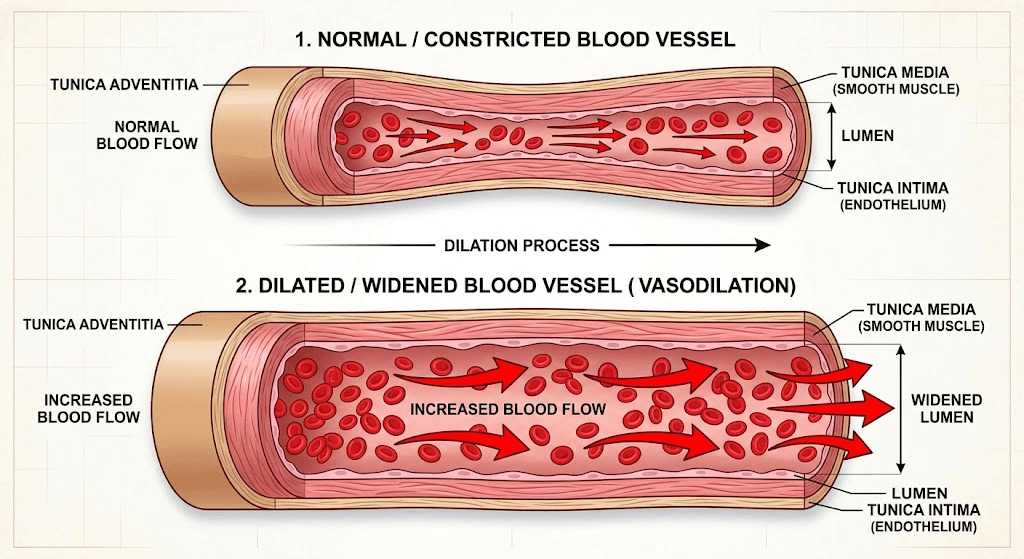
Because it helps regulate blood flow, nitric oxide plays a direct role in maintaining normal blood pressure, supporting cardiovascular health, and delivering oxygen to working muscles during physical activity.
Common Causes or Contributing Factors to Lower Levels
The body naturally produces less nitric oxide as people get older. By the time many adults reach middle age, their natural production of nitric oxide drops significantly compared to their youth. If you want to learn more about this natural process, you can read our article on how aging affects blood flow.
Aside from normal aging, several lifestyle factors can negatively impact how well your body produces this molecule:
- Poor Diet: Diets low in leafy greens and antioxidant-rich foods provide fewer of the natural building blocks the body uses to make nitric oxide.
- Lack of Physical Activity: Regular exercise stimulates the lining of the blood vessels to produce more nitric oxide. A sedentary lifestyle does the opposite.
- Smoking: Smoking damages the endothelial cells, severely impairing their ability to function and produce nitric oxide.
- Stress and Poor Sleep: Chronic stress and lack of quality sleep can increase inflammation, which may interfere with healthy blood vessel function.
Common Signs or Symptoms of Poor Circulation
When blood vessels do not relax properly, overall circulation can become less efficient. It is important to note that symptoms alone cannot confirm a specific medical diagnosis, as many health conditions share similar signs. However, general signs of poor circulation can include:
- Cold hands and feet
- Muscle cramping or heavy legs during physical exertion
- Feeling unusually fatigued during normal activities
- Mild swelling in the lower extremities
- Difficulty concentrating (sometimes described as brain fog)
If you experience these signs regularly, it is important to speak with a healthcare provider to determine the underlying cause rather than relying solely on dietary supplements.
How the Relevant Supplements Are Supposed to Work
Because nitric oxide is a gas, you cannot put it directly into a capsule. Instead, dietary supplements rely on ingredients known as precursors. A precursor is a substance that the body can convert into the desired end product.
When you take a supplement marketed for nitric oxide support, the goal is to provide the body with higher amounts of the raw materials it uses to manufacture the molecule. There are two primary pathways these supplements target:
- The Amino Acid Pathway: This uses amino acids (like L-arginine and L-citrulline) that enzymes in the body convert into nitric oxide.
- The Nitrate Pathway: This uses plant-based dietary nitrates (like beetroot extract) that the body converts into nitrites, and eventually into nitric oxide, especially in low-oxygen environments like exercising muscle.
Common Ingredients
If you look at the labels of supplements aimed at physical performance and circulation, you will likely see a few recurring ingredients.
L-Arginine
L-arginine is an amino acid found naturally in red meat, poultry, fish, and dairy. The body directly uses L-arginine to produce nitric oxide. For many years, it was the primary ingredient in circulation supplements. However, research has shown that when taken as an oral supplement, a large portion of L-arginine is broken down by the liver and intestines before it ever reaches the bloodstream.
L-Citrulline
L-citrulline is another amino acid, naturally found in high amounts in watermelon. Interestingly, the body absorbs L-citrulline much better than L-arginine. Once absorbed, the kidneys convert L-citrulline into L-arginine. Because it bypasses the digestive breakdown that affects L-arginine, L-citrulline is often considered a more efficient way to raise L-arginine levels in the blood.

Beetroot Extract (Dietary Nitrates)
Beetroot is naturally high in dietary nitrates. When you consume nitrates, bacteria in your mouth convert them into nitrites, which the stomach and other tissues then convert into nitric oxide. Beetroot powder or extract is widely used in sports nutrition because this pathway does not rely on the same enzymes as the amino acid pathway, making it highly effective during intense physical exertion.
What Does the Evidence Show?
The scientific community has extensively studied the pathways that create nitric oxide. However, the evidence regarding dietary supplements is separated into different levels of reliability.
Strong Evidence There is strong, consistent human evidence supporting the use of dietary nitrates (like beetroot juice) for short-term athletic performance. Numerous peer-reviewed studies show that taking dietary nitrates before exercise can reduce the oxygen cost of physical exertion, allowing athletes to perform at a certain intensity for a longer period. There is also reliable evidence that dietary nitrates can modestly support healthy blood pressure ranges in healthy adults.
Mixed Evidence The evidence for L-citrulline is mixed but generally positive. Several human trials suggest that supplementing with L-citrulline can reduce muscle soreness and mildly improve athletic performance, particularly in high-intensity anaerobic exercises like weightlifting. However, some studies show no significant difference compared to a placebo.
The evidence for L-arginine as a standalone oral supplement for physical performance remains mixed to poor, largely due to its poor absorption rate.
Insufficient Evidence Many products contain proprietary blends of herbs and botanical extracts claimed to “supercharge” blood flow. While some of these herbs have a history in traditional practices, currently, there is no reliable human research to support many of these secondary herbal ingredients for significantly boosting nitric oxide production.
Risks and Side Effects
While amino acids and dietary nitrates are generally considered safe for most healthy adults when taken at recommended dosages, they are not without risks.
Side Effects:
- Gastrointestinal distress, including stomach cramps, bloating, and diarrhea (especially with high doses of L-arginine).
- Headaches or dizziness.
- Red or pink urine (a harmless side effect specific to consuming high amounts of beetroot).
Medication Interactions: Because these ingredients can encourage blood vessels to widen and blood pressure to drop, they can interact dangerously with certain medications. Taking nitric oxide precursors alongside prescription blood pressure medications can cause blood pressure to drop too low (hypotension).
Furthermore, combining these supplements with medications used for erectile dysfunction (such as sildenafil or tadalafil) or nitrate medications prescribed for chest pain (angina) is highly dangerous and can lead to a severe, life-threatening drop in blood pressure.
For more information on how to safely navigate dietary additions, you can read our guide to supplement safety.
Who Should Be Especially Careful?
Certain groups should exercise extreme caution or avoid these supplements entirely unless directed by a physician:
- People with low blood pressure: These supplements may lower it further.
- Individuals with a history of heart disease or heart attacks: Altering blood flow mechanisms can be risky without medical supervision.
- Pregnant or nursing people: There is insufficient safety data regarding high-dose amino acid or nitrate supplementation during pregnancy.
- People with kidney conditions: The kidneys process amino acids like L-citrulline and L-arginine, and high doses can put unnecessary strain on impaired kidneys.
When to Speak With a Healthcare Professional
You should always consult a doctor before starting a new dietary supplement, particularly if you take daily medications. However, you should seek immediate medical attention if you experience any of the following symptoms, as they may indicate a serious cardiovascular event rather than simple poor circulation:
- Sudden, severe chest pain or pressure
- Shortness of breath at rest
- Sudden numbness or weakness in the face, arm, or leg
- Fainting or severe dizziness
How to Evaluate a Supplement in This Category
If you and your doctor decide a circulation support supplement is right for you, use this checklist to evaluate your options:
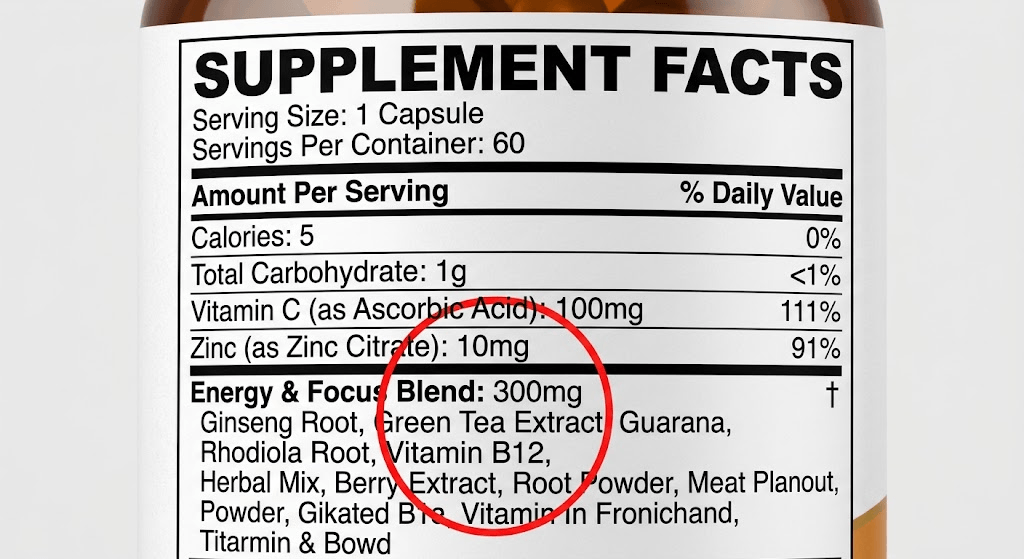
- Look for Transparency: Choose products that clearly list the exact dosage of L-citrulline or beetroot extract. Avoid “proprietary blends” that hide how much of the active ingredient you are actually getting.
- Check the Form: If the product relies on L-arginine, it may be less effective than one utilizing L-citrulline.
- Third-Party Testing: Look for seals from independent testing organizations (like NSF International, USP, or Informed Choice) that verify the product contains what the label claims and is free from banned substances or heavy metals.
- Realistic Claims: Avoid products that promise to “cure” high blood pressure, reverse heart disease, or guarantee massive muscle growth. Supplements can only offer nutritional support, not medical cures.
Related Product Analyses
Supplements Diary has examined several products that claim to support blood flow, physical stamina, and cardiovascular wellness. If you are researching specific brands, you can read our detailed ingredient breakdowns to see how they align with current research:
- Read our review of CircO2 for an analysis of a lozenge-based nitric oxide formula.
- See our analysis of Nitric Drive to understand its approach to male physical performance.
- Check out our look at Boostaro for a breakdown of its cardiovascular support ingredients.
- Review our evaluation of IndigenS9 for information on its herbal and botanical approach to circulation.
- Read our assessment of IronPulseX to see how its formulation targets stamina and athletic endurance.
Frequently Asked Questions
Can I get enough nitric oxide precursors from food?
Yes. A diet rich in leafy greens (like spinach and arugula), beets, citrus fruits, and watermelon provides excellent natural sources of dietary nitrates and amino acids that support healthy circulation without the need for supplements.
How long do these supplements take to work?
For physical performance benefits, dietary nitrates and L-citrulline are typically taken 60 to 90 minutes before exercise. For general cardiovascular support, consistent daily use over several weeks is usually required, though results vary widely among individuals.
Are nitric oxide supplements a type of steroid?
No. Nitric oxide precursors are simply amino acids or plant-based nitrates. They do not contain hormones and do not act like anabolic steroids in the body. They purely support the physiological mechanism of blood flow.
Will these supplements cause weight loss?
No. There is no reliable clinical evidence that taking nitric oxide supplements directly causes weight loss. Any weight management benefits would only come indirectly if the supplement helps you maintain a more consistent or intense exercise routine.
Can I take these supplements every day?
While many people take low-dose amino acids or beetroot powders daily, long-term safety data for high-dose supplementation is limited. It is best to follow the manufacturer’s suggested use and consult your physician about long-term daily consumption.
Conclusion
Nitric oxide is an essential molecule that helps keep your blood vessels relaxed and your circulation functioning efficiently. While you cannot consume it directly, supplements utilizing L-citrulline and dietary nitrates have shown promise in scientific studies for supporting short-term athletic stamina and healthy blood flow.
However, they are not magic solutions. These products cannot replace the foundational benefits of a balanced diet, regular exercise, and proper sleep. Because circulation supplements can interact with medications and affect blood pressure, prioritizing safety and speaking with your healthcare provider is the most important step before adding them to your routine.
References
- National Institutes of Health (NIH) Office of Dietary Supplements – Dietary Supplements for Exercise and Athletic Performance – https://ods.od.nih.gov/factsheets/ExerciseAndAthleticPerformance-HealthProfessional/
- MedlinePlus – Amino Acids – https://medlineplus.gov/ency/article/002222.htm
- National Center for Complementary and Integrative Health (NCCIH) – Dietary Supplements: What You Need to Know – https://www.nccih.nih.gov/health/dietary-supplements-what-you-need-to-know
- Centers for Disease Control and Prevention (CDC) – High Blood Pressure Symptoms and Causes – https://www.cdc.gov/bloodpressure/about.htm

Dr. Emma Myers is a medical student at UNC School of Medicine in Chapel Hill, with a focus on autoimmune dermatology. She grew up in Durham, North Carolina, and completed her undergraduate studies at the University of Virginia, majoring in Human Biology and Spanish. Emma has worked as a medical assistant in dermatology, gaining experience in cosmetic and medical dermatology. She leads advocacy groups for autoimmune skin disorders and is involved in research on autoimmune diseases, skin safety, and early diagnosis. Outside of medicine, she is a certified yoga sculpt instructor and enjoys outdoor activities with her dog.