
It happens to almost everyone at some point: you walk into a room and forget why you are there, or you stare at a computer screen unable to organize your thoughts. This feeling of mental cloudiness is widely known as “brain fog.” As more people look for quick ways to regain their mental sharpness, the market for cognitive health supplements—often called nootropics or “smart drugs”—has grown rapidly.
However, before reaching for a bottle of pills to clear your head, it is important to understand what is actually happening in your body. This article will explain what brain fog is, explore the everyday factors and underlying health issues that cause it, and review what current scientific evidence says about popular brain supplements. We will also discuss the limitations of these products and help you recognize when dietary supplements simply will not help.
Quick Answer
Brain fog is a symptom of an underlying issue, not a medical condition itself. It is most often caused by lack of sleep, chronic stress, poor nutrition, or medication side effects. While some dietary supplements may temporarily increase alertness or correct specific vitamin deficiencies, no supplement can cure brain fog caused by medical conditions, severe sleep deprivation, or emotional burnout.
What Is Brain Fog?
In the medical community, “brain fog” is not an official diagnosis. Instead, it is a term used by patients and doctors to describe a collection of temporary cognitive difficulties. It generally refers to a reduction in a person’s normal baseline of mental clarity.
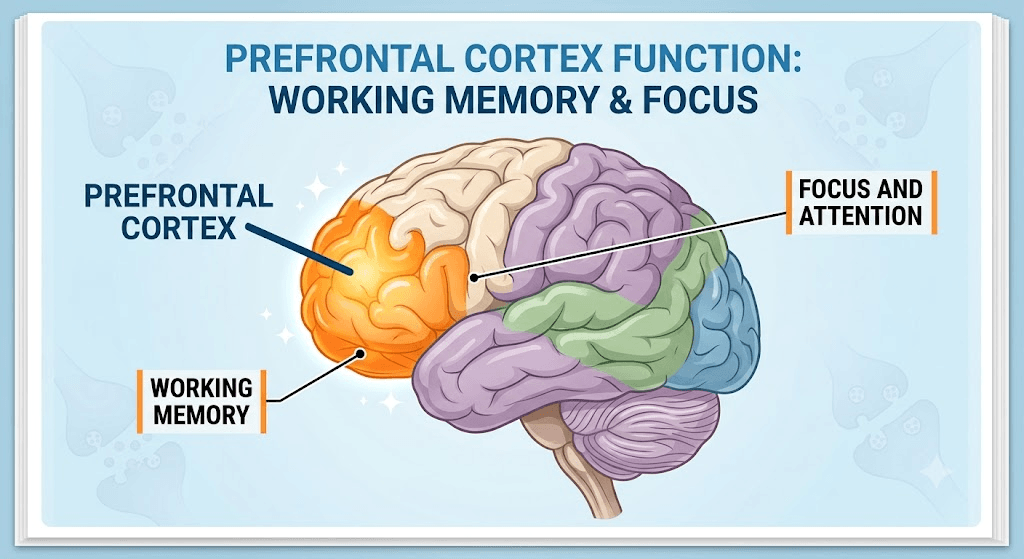
When you experience this cloudiness, your brain is essentially telling you that it is fatigued or lacking the necessary resources to function optimally. Your brain requires a massive amount of energy—using about 20% of your body’s total calorie intake—and depends on a steady supply of oxygen, glucose, and balanced neurotransmitters (chemical messengers) to process information quickly. When any part of this complex system is interrupted, mental clarity drops.
Common Causes or Contributing Factors
Because brain fog is a symptom, finding relief requires identifying the root cause. Many lifestyle factors and health conditions can create a roadblock in your mental processing.
Sleep Deprivation and Sleep Disorders Your brain uses the deep stages of sleep to clear out cellular waste and consolidate memories. Without enough quality sleep, these restorative processes are cut short. Conditions like sleep apnea, which repeatedly briefly stops your breathing at night, are major culprits for daytime fogginess.
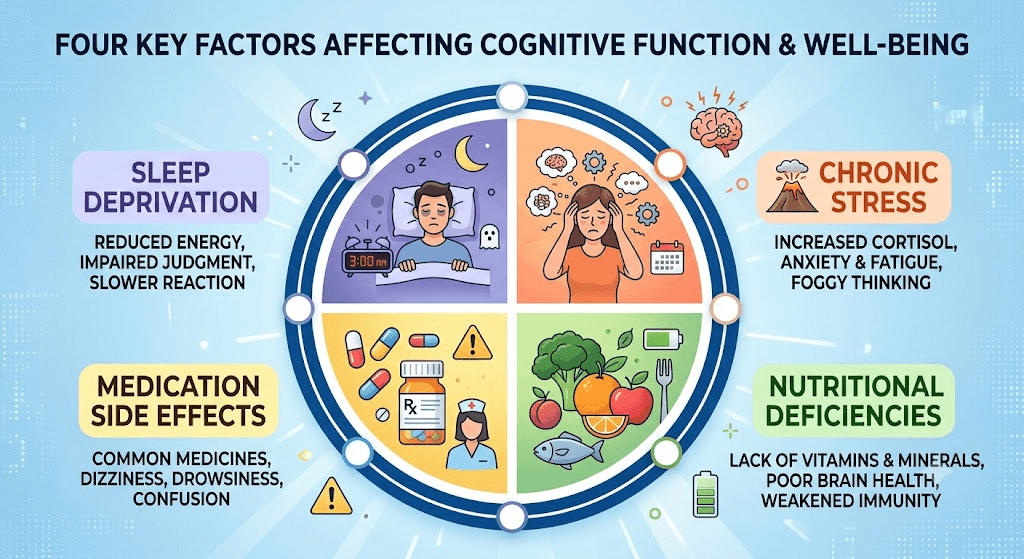
Chronic Stress and Anxiety When you are under constant stress, your body maintains high levels of cortisol, a stress hormone. Over time, elevated cortisol can interfere with the way your brain cells communicate, making it difficult to concentrate or remember new information.
Hormonal Changes Fluctuations in hormones frequently impact cognitive function. Many people report significant mental cloudiness during pregnancy, perimenopause, or menopause due to shifting estrogen and progesterone levels. Thyroid imbalances—especially an underactive thyroid (hypothyroidism)—also commonly slow down cognitive processing.
Nutritional Deficiencies Your nervous system relies on specific vitamins to maintain the myelin sheath (the protective coating around nerves) and to produce neurotransmitters. A deficiency in Vitamin B12, Vitamin D, or iron can lead directly to mental fatigue and poor concentration.
Medication Side Effects Many common prescription and over-the-counter medications list cognitive dulling as a side effect. These include antihistamines (allergy medicines), sleep aids, certain blood pressure medications, and antidepressants.
Post-Viral Fatigue Recovering from a severe viral infection can leave the body and brain exhausted for weeks or months. The immune system’s inflammatory response can temporarily alter brain function, a phenomenon widely observed in post-viral syndromes.
Common Signs or Symptoms
While the experience can vary from person to person, people dealing with this issue typically report the following signs:
- Difficulty concentrating on a single task
- Frequently losing your train of thought
- Struggling to find the right words during conversations
- Short-term memory issues (forgetting recent instructions or placements of objects)
- Feeling mentally exhausted after basic mental tasks
- Taking longer than usual to process simple information
Please note that these symptoms alone cannot confirm a specific diagnosis. If they are persistent, they warrant a conversation with a medical professional.
How Brain and Cognitive Supplements Are Supposed to Work
The dietary supplement industry offers hundreds of products aimed at cognitive health. If you are understanding cognitive health basics, you will see that these products generally claim to work through a few distinct mechanisms:
- Increasing Blood Flow: Some ingredients attempt to widen blood vessels to deliver more oxygen and glucose to the brain.
- Supporting Neurotransmitters: Certain amino acids are included to provide the raw materials your body uses to build chemical messengers like dopamine or serotonin.
- Providing Antioxidant Support: Plant extracts are often used to neutralize free radicals, which are unstable molecules that can damage cellular structures over time.
- Stimulating the Nervous System: Ingredients like caffeine provide a temporary block to the receptors that tell your brain it is tired.
It is vital to understand that while these mechanisms make sense in theory, the human brain is highly regulated by the blood-brain barrier. Not all supplement ingredients can effectively cross this barrier, and taking more of a nutrient does not always mean your brain will use it.
Common Ingredients Found in Cognitive Supplements
When evaluating products that claim to support mental clarity, you will likely encounter the following ingredients.
Vitamin B12 What it is: An essential water-soluble vitamin. What the evidence says: If you have a diagnosed B12 deficiency, supplementing will likely clear up your brain fog. However, if your B12 levels are already normal, taking extra B12 has not been shown to boost memory or focus in healthy adults.
Ginkgo Biloba What it is: An extract from the leaves of the Ginkgo tree, often used in traditional medicine to support circulation. What the evidence says: Research is highly mixed. Some smaller studies suggest it may support memory in older adults with cognitive decline, but large, rigorous studies (including comprehensive Cochrane reviews) have generally concluded that Ginkgo does not significantly improve cognitive function in healthy adults.
Bacopa Monnieri What it is: An herb traditionally used in Ayurvedic medicine. What the evidence says: There is some promising human research suggesting Bacopa may support memory retention. However, studies show that it must be taken daily for 8 to 12 weeks to have any measurable effect. It does not provide immediate relief from daily brain fog.
L-Theanine and Caffeine What it is: Caffeine is a stimulant; L-Theanine is an amino acid found in green tea that is believed to promote relaxation without drowsiness. What the evidence says: This combination is well-supported by short-term human trials for temporarily improving attention and alertness. However, this is a temporary fix. It masks fatigue rather than addressing the underlying cause of the mental cloudiness.
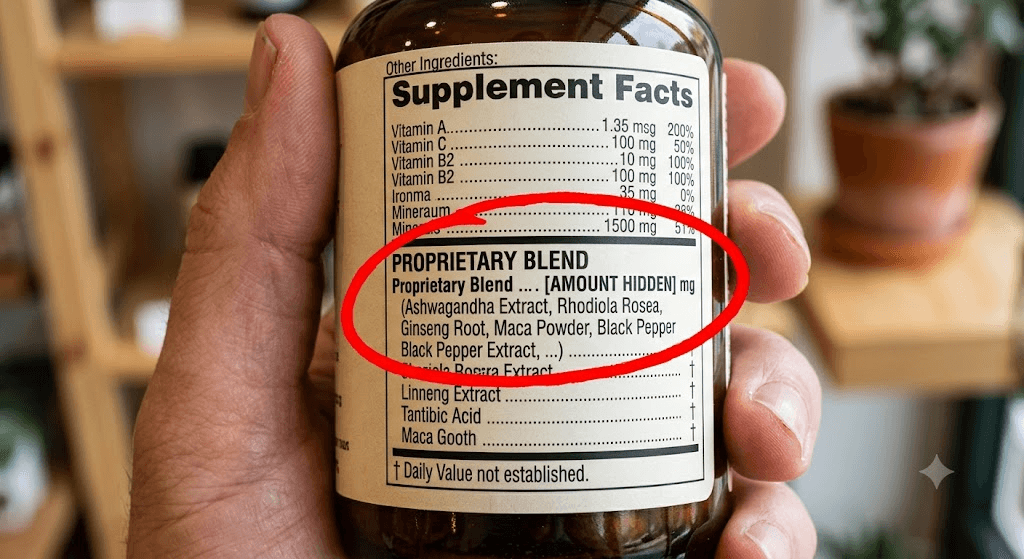
Proprietary Herbal Blends Many supplements use a mixture of obscure plant extracts under a trademarked name, without disclosing the exact amount of each ingredient. For many of these rare extracts, currently, there is no reliable human research to support this ingredient for this purpose.
What Does the Evidence Show?
When looking at the broad spectrum of cognitive supplements, the scientific consensus is clear: there is no “magic pill” for brain fog.
Strong Evidence: There is strong evidence that correcting a documented nutritional deficiency (such as Vitamin B12, Vitamin D, or iron) will improve cognitive symptoms. There is also strong evidence that caffeine provides a temporary, short-term boost in alertness.
Mixed or Limited Evidence: Herbal adaptogens like Ashwagandha and herbs like Bacopa have mixed evidence. They show potential in specific, highly controlled clinical trials, usually related to stress reduction or memory tasks over long periods, but results vary widely among individuals in real-world settings.
Insufficient Evidence: Many multi-ingredient brain formulas lack finished-product clinical trials. Manufacturers often rely on test-tube or animal studies for individual ingredients, which do not reliably translate to human brain function.
Risks and Side Effects
Taking supplements for cognitive health is not without risk.
- Medication Interactions: Ginkgo Biloba can act as a blood thinner and may cause dangerous bleeding if taken with medications like warfarin or aspirin. St. John’s Wort, sometimes included in mood and focus blends, interacts heavily with antidepressants, birth control, and heart medications.
- Overstimulation: Excessive use of caffeine-based cognitive supplements can lead to anxiety, heart palpitations, and ironically, worse sleep—which creates a cycle of worsening brain fog.
- Adulteration: Because the FDA does not approve dietary supplements before they go to market, some poorly regulated cognitive supplements have been found to contain unlisted prescription stimulants.
Before trying any new product, we highly recommend reviewing our guide to supplement safety to learn how to identify reputable brands.
Who Should Be Especially Careful?
Certain groups must exercise extra caution when considering cognitive supplements:
- Pregnant or Nursing People: Many herbal ingredients have not been tested for safety during pregnancy and may cross the placenta or enter breast milk.
- Older Adults: Older individuals are more likely to be taking multiple prescription medications, significantly increasing the risk of adverse drug-herb interactions.
- Individuals with Pre-existing Conditions: Those with high blood pressure, heart conditions, or a history of mental health conditions (such as bipolar disorder or severe anxiety) should avoid over-the-counter cognitive stimulants and herbal blends unless directed by a doctor.
When to Speak With a Healthcare Professional
Supplements cannot fix brain fog that is caused by an underlying medical condition. You should stop trying to self-treat and speak with a healthcare professional if your mental cloudiness:
- Comes on suddenly and severely
- Is accompanied by physical symptoms like weakness, numbness, facial drooping, or difficulty speaking (these are emergency signs of a stroke)
- Worsens progressively over time
- Is accompanied by unexplained weight changes, chronic pain, or severe depression
- Does not improve after two to three weeks of adequate sleep, hydration, and stress management
How to Evaluate a Supplement in This Category
If you and your doctor decide it is safe to try a cognitive supplement, use this checklist to evaluate the product:
- Check for Third-Party Testing: Look for seals from independent organizations like NSF International, USP, or ConsumerLab. This verifies that the bottle actually contains what the label claims.
- Avoid Proprietary Blends: Choose products that list the exact milligram amount of every single active ingredient.
- Analyze the Claims: If a product promises to “cure” memory loss, “instantly” clear brain fog, or implies it can treat cognitive decline, walk away. Legitimate dietary supplements can only claim to “support” normal function.
- Check the Dosages: Compare the dose on the label to the dose used in scientific studies. A product may contain a good ingredient, but in an amount too small to be effective.
Related Product Analyses
Supplements Diary has also examined several products in the cognitive health category. If you are interested in seeing how specific brands formulate their products and what ingredients they use, you can read our detailed breakdowns.
For instance, we evaluated the MindSilence formula to see how its ingredients align with current research on cognitive fatigue.
We have also looked closely at the NeuroMind Pro ingredients to help readers understand what goes into this popular nootropic blend.
Those seeking information on alternative brain-health supplements can read our analysis of PinealX for a transparent look at its formulation.
If you are looking into daily cognitive support options, you can read our NeuroPrime review to see how it approaches mental focus.
Finally, you can explore the ingredients found in Synaptigen to learn more about how memory-focused supplements are constructed.
Remember that reading a review is about understanding the label and ingredient profile, not a guarantee of medical results.
Frequently Asked Questions
Does aging automatically cause brain fog?
While the brain’s processing speed naturally slows down slightly as we age, persistent brain fog is not a normal, unavoidable part of aging. It is often linked to changes in sleep, medication, or specific health conditions that should be evaluated by a doctor.
Are nootropics the same thing as brain fog supplements?
“Nootropic” is a broad term used for any substance—natural or synthetic—that claims to positively impact mental skills. Many brain fog supplements market themselves as nootropics. The term is largely used for marketing and does not guarantee medical effectiveness.
How long do cognitive supplements take to work?
It depends entirely on the ingredient. Stimulants like caffeine work within 30 minutes. Adaptogens and herbs like Bacopa Monnieri typically require weeks or even months of daily, consistent use to build up in the system and show measurable effects in studies.
Can diet fix brain fog better than supplements?
In many cases, yes. A balanced diet provides a complex matrix of vitamins, minerals, and healthy fats (like Omega-3s) that the brain needs, in a highly absorbable format. Fixing underlying dietary gaps is usually more effective than taking isolated supplement extracts.
Conclusion
Brain fog is a frustrating experience that can disrupt your daily life, but it is a signal from your body that something is out of balance. While the supplement industry offers many formulas that claim to restore mental sharpness, the scientific evidence shows that these products have significant limitations. Supplements may help correct a specific nutritional deficiency or provide a temporary stimulant boost, but they cannot override the effects of poor sleep, high stress, or an undiagnosed medical condition.
Always talk to your doctor before adding a new herbal supplement to your routine, especially if you take medication. Focusing on the foundations of health—quality sleep, stress management, and proper nutrition—remains the most proven way to clear the fog and support long-term brain function.
References
- National Institutes of Health (NIH) Office of Dietary Supplements – Dietary Supplements for Cognitive Function – https://ods.od.nih.gov/factsheets/CognitiveFunction-HealthProfessional/
- National Center for Complementary and Integrative Health (NCCIH) – Ginkgo – https://www.nccih.nih.gov/health/ginkgo
- Centers for Disease Control and Prevention (CDC) – Sleep and Sleep Disorders – https://www.cdc.gov/sleep/index.html
- MedlinePlus – Memory Loss – https://medlineplus.gov/ency/article/003257.htm
- U.S. Food and Drug Administration (FDA) – Dietary Supplements: What You Need to Know – https://www.fda.gov/food/information-consumers-using-dietary-supplements/dietary-supplements-what-you-need-know

Dr. Emma Myers is a medical student at UNC School of Medicine in Chapel Hill, with a focus on autoimmune dermatology. She grew up in Durham, North Carolina, and completed her undergraduate studies at the University of Virginia, majoring in Human Biology and Spanish. Emma has worked as a medical assistant in dermatology, gaining experience in cosmetic and medical dermatology. She leads advocacy groups for autoimmune skin disorders and is involved in research on autoimmune diseases, skin safety, and early diagnosis. Outside of medicine, she is a certified yoga sculpt instructor and enjoys outdoor activities with her dog.