
Occasional tingling, numbness, or a “pins and needles” sensation can be uncomfortable and unsettling. When these sensations happen frequently, many people turn to the dietary supplement aisle looking for a quick fix. The market is full of nerve support supplements that promise to soothe discomfort and promote healthy nerve function.
However, before adding a new pill to your daily routine, it is important to understand what you are actually buying. This article examines the common ingredients found in over-the-counter nerve supplements, what the current scientific evidence actually says, and the safety limitations you need to know. Our goal is to provide clear, balanced information to help you make informed decisions about your nerve health alongside your healthcare provider.
Quick Answer
Nerve support supplements often contain B vitamins, alpha-lipoic acid (ALA), and acetyl-L-carnitine. While evidence suggests ALA and certain B vitamins may help those with documented deficiencies or specific conditions like diabetic neuropathy, supplements cannot cure nerve damage. You should always consult a doctor to identify the underlying cause of nerve symptoms before taking these products.
What Are Nerve Support Supplements?
Your nervous system is an intricate communication network. The peripheral nerves carry messages from your brain and spinal cord to the rest of your body, allowing you to feel temperature, pain, and touch.
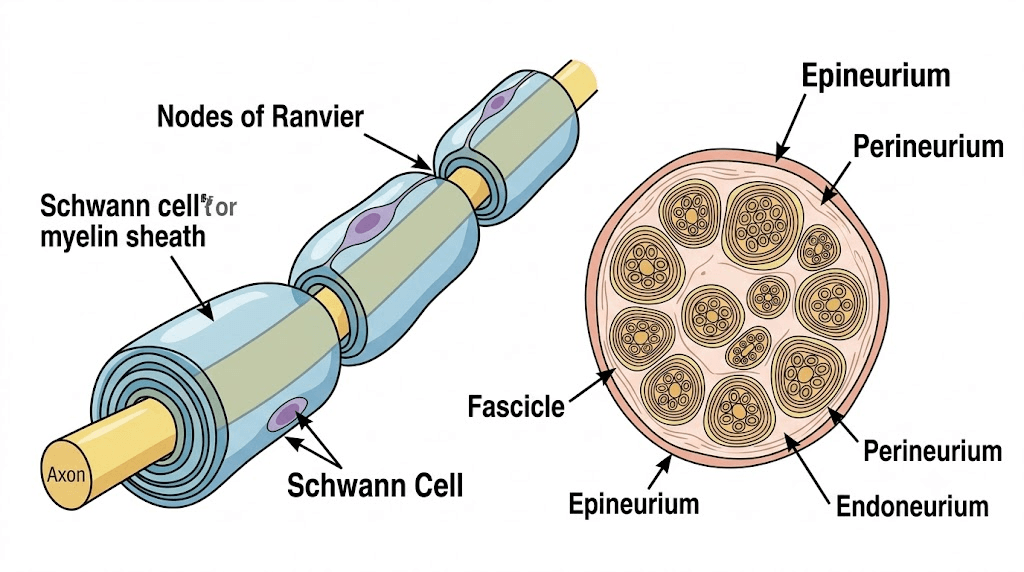
Nerve support supplements are over-the-counter dietary products intended to supply the body with vitamins, minerals, and antioxidant compounds that the nervous system uses to maintain these pathways. They are typically marketed to individuals experiencing mild nerve discomfort. It is helpful to remember that these are classified as dietary supplements, meaning they are not intended to treat, cure, or prevent any specific disease, including medical conditions like peripheral neuropathy. For broader cognitive context, you can also explore how these systems interact in our overview of brain health supplements.
Common Causes or Contributing Factors
Nerve discomfort does not happen without a reason. When peripheral nerves are under stress or damaged, they can send altered signals to the brain. Common contributing factors include:
- Vitamin Deficiencies: Lacking essential nutrients, particularly vitamin B12, can directly impact nerve health.
- Blood Sugar Issues: Long-term high blood sugar can injure nerve fibers over time, commonly seen in diabetes.
- Physical Trauma or Pressure: Repetitive motions, tight casts, or physical injuries can compress and irritate nerves.
- Medication Side Effects: Certain prescription drugs, including some chemotherapy treatments, can affect peripheral nerves.
- Infections and Autoimmune Conditions: Various viruses and immune system responses can target nerve tissues.
Note: Determining the exact cause of nerve issues requires a medical evaluation. Supplements cannot replace a proper medical diagnosis.
Common Signs or Symptoms
When nerves are irritated, compressed, or deprived of necessary nutrients, they tend to misfire. People commonly report:
- A sensation of “pins and needles,” usually in the hands or feet
- Numbness or a reduced ability to feel temperature changes
- Sharp, jabbing, or throbbing sensations
- Increased sensitivity to touch (e.g., feeling discomfort from a blanket resting on the feet)
These symptoms can range from a mild, temporary annoyance to a significant disruption of daily life. Symptoms alone cannot confirm a diagnosis, so persistent unusual sensations should always be evaluated by a medical professional.
How the Relevant Supplements Are Supposed to Work
Manufacturers of nerve support products generally formulate their supplements based on three primary theories:
- Nutritional Replenishment: Providing high doses of specific B vitamins may support the maintenance of the myelin sheath, the protective coating around nerves.
- Antioxidant Action: Ingredients with antioxidant properties have been studied for their ability to neutralize free radicals, which are unstable molecules that can cause cellular stress.
- Metabolic Support: Certain amino acids and compounds may support mitochondrial function, which is how individual nerve cells produce the energy needed to survive and send signals.
It is important to view these mechanisms objectively. While these biological processes are real, taking a supplement does not guarantee the ingredients will reach the nerves in high enough concentrations to reverse existing damage.
Common Ingredients
When you look at the back of a nerve support supplement bottle, you will likely see a mix of the following ingredients.
Vitamin B Complex (B1, B6, B12)
- What it is: Water-soluble vitamins that play a known role in cellular energy and nervous system function. Benfotiamine is a fat-soluble version of vitamin B1 (thiamine) often used in these formulas.
- Why it’s included: B12 helps maintain the protective myelin sheath around nerves.
- What research suggests: Correcting a documented B12 deficiency can resolve nerve symptoms caused by that specific deficiency.
- Limitations: Taking massive doses of B vitamins when you are not deficient has not been proven to fix nerve damage caused by other factors, like physical compression or high blood sugar.
Alpha-Lipoic Acid (ALA)
- What it is: An antioxidant compound naturally produced in small amounts by the body and found in foods like spinach and broccoli.
- Why it’s included: It is included to help reduce oxidative stress and support healthy blood flow to the nerves.
- What research suggests: ALA has some of the strongest research backing among over-the-counter options. Multiple studies have investigated whether intravenous and oral ALA may influence nerve discomfort, particularly in diabetic populations.
- Limitations: High oral doses can sometimes cause stomach upset, and absorption rates from oral supplements can vary wildly from person to person.
Acetyl-L-Carnitine (ALC)
- What it is: An amino acid derivative involved in cellular energy production.
- Why it’s included: It is believed to support mitochondrial function within nerve cells.
- What research suggests: Some studies have looked at ALC for addressing nerve discomfort and supporting nerve fiber regeneration.
- Limitations: Results have been mixed, and some users experience nausea or a fishy body odor when taking high doses.
What Does the Evidence Show?
When evaluating the claims made by supplement companies, it is helpful to look at the actual clinical evidence separated by its strength. Before exploring new products, reading a reliable supplement safety guide can help you understand how to interpret label claims.
- Strong Evidence: There is strong evidence that identifying and treating a vitamin B12 deficiency can stop and sometimes reverse nerve symptoms caused by that deficiency.
- Moderate Evidence: Intravenous alpha-lipoic acid has moderate-to-strong evidence for reducing symptoms of diabetic neuropathy. Oral ALA has moderate evidence, though the results are less consistent than intravenous delivery.
- Mixed Evidence: Acetyl-L-carnitine shows mixed results. Some human trials note mild improvements in pain scores, while other studies show no statistically significant difference compared to a placebo.
- Insufficient Evidence: Many herbal extracts (like passionflower or oat straw) frequently added to proprietary nerve blends have little to no high-quality human clinical trials proving they directly heal or support peripheral nerves. For many botanical additions, there is currently no reliable human research to support the ingredient for this specific purpose.
Risks and Side Effects
Even ingredients labeled as “natural” carry potential risks. Over-the-counter nerve supplements can cause:
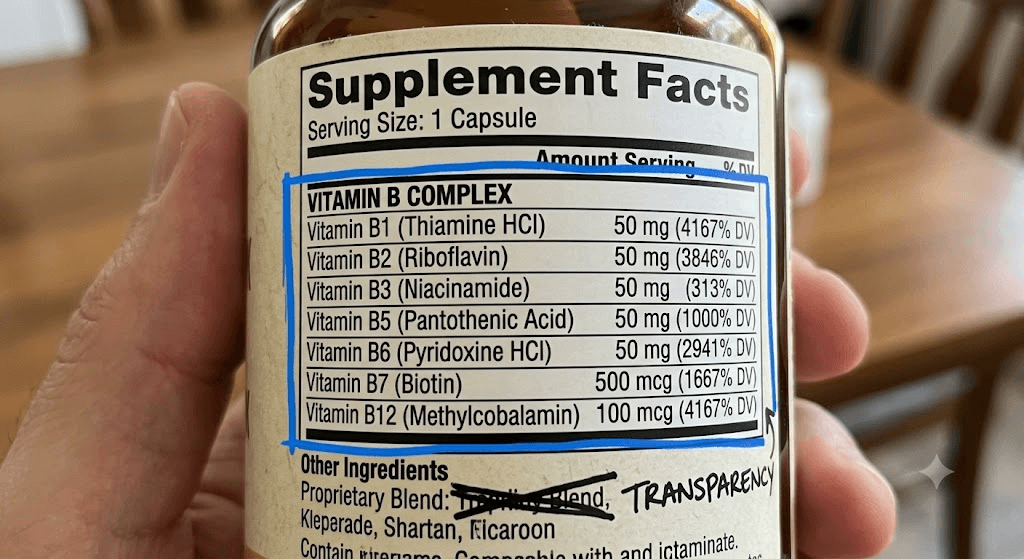
- Toxicity from High Doses: While B12 is generally safe at high doses, excessive vitamin B6 can ironically cause nerve damage over time. This is a well-documented risk when taking unmonitored megadoses.
- Digestive Upset: ALA and ALC commonly cause heartburn, nausea, and general digestive discomfort.
- Medication Interactions: ALA can interact with medications intended to lower blood sugar, potentially causing blood sugar levels to drop too low (hypoglycemia). It can also interfere with certain chemotherapy drugs and thyroid medications.
- Proprietary Blend Risks: Many products hide their exact dosages behind a “proprietary blend.” This prevents you from knowing if you are getting a safe, effective dose of the active ingredients, or if you are at risk of taking too much of a specific vitamin.
Who Should Be Especially Careful?
Certain groups should exercise extreme caution and avoid starting a nerve supplement without explicit medical approval:
- People with Diabetes: Because nerve ingredients like ALA can affect blood sugar and interact with diabetes medications.
- Pregnant or Nursing People: The safety of high-dose amino acids and botanical blends has not been established for developing babies.
- Older Adults: Older adults often take multiple prescription medications, increasing the risk of negative supplement-drug interactions.
- Those with Thyroid Conditions: Ingredients like ALA may alter thyroid hormone levels or interact with medications like Levothyroxine.
When to Speak With a Healthcare Professional
You should always talk to your doctor before adding a new herbal or vitamin supplement to your routine. However, you should seek prompt medical attention if you experience:

- Sudden, severe numbness or weakness
- Nerve symptoms that spread rapidly up your arms or legs
- Difficulty walking or maintaining balance
- Loss of bowel or bladder control
These are warning signs of potentially urgent medical issues that a supplement cannot address.
How to Evaluate a Supplement in This Category
If you and your doctor decide a nerve support supplement makes sense for your situation, use this simple checklist to evaluate your options:
- Check the B6 Levels: Ensure the daily serving does not contain extreme megadoses of Vitamin B6, which can be harmful over time.
- Demand Transparency: Avoid products that use “proprietary blends” where the exact amount of each ingredient is hidden.
- Look for Third-Party Testing: Choose brands that use independent labs (like NSF, USP, or ConsumerLab) to verify their products are free of heavy metals and actually contain what the label claims.
- Ignore “Cure” Claims: Immediately disregard any product that promises to “cure” neuropathy or “instantly reverse” nerve damage. These claims are illegal and medically unsupported.
Related Product Analyses
Supplements Diary has also examined several specific products frequently searched by consumers looking for nerve support. We review the ingredient lists and marketing claims to help you understand what is inside the bottle.
- Our analysis of Nerve Renew breaks down its use of stabilized R-Alpha Lipoic Acid and B vitamins.
- Our Nervovive review examines this specific formulation and evaluates the scientific backing of its active components.
- For a broader look at cellular energy claims often tied to nerve health, you can read our Advanced Mitochondrial Formula review.
Frequently Asked Questions
Can a supplement cure peripheral neuropathy?
No. Dietary supplements are not legally allowed to claim they cure, treat, or prevent any disease, including peripheral neuropathy. While some ingredients may help manage nutritional deficiencies that cause symptoms, they cannot reverse physical nerve damage.
How long does it take for nerve supplements to work?
Because nerve tissue changes very slowly, ingredients like ALA or B12 often take several weeks to months of consistent use before any potential difference is noticed. Quick fixes or overnight results are unrealistic marketing myths.
Is it safe to take multiple nerve supplements at once?
No. Taking multiple supplements increases the risk of dangerous vitamin toxicity (especially Vitamin B6) and raises the chances of negative interactions with your prescription medications. Stick to one formula approved by your healthcare provider.
Why is Alpha-Lipoic Acid (ALA) so common in these products?
ALA is a popular antioxidant that has been heavily studied in Europe for managing symptoms of diabetic neuropathy. While intravenous ALA has shown promising results in clinical settings, oral over-the-counter versions have more mixed evidence due to differing absorption rates.
Conclusion
Nerve support supplements can be a confusing category of health products. While certain ingredients like Vitamin B12 and Alpha-Lipoic Acid have genuine scientific backing for specific uses, many over-the-counter products rely on heavy marketing rather than solid human trials. Supplements can occasionally support foundational nerve health, but they are not cures for medical conditions. Always prioritize a conversation with your healthcare provider to identify the root cause of your symptoms before spending money on new supplements.
D. External References
References
- National Institutes of Health (NIH) Office of Dietary Supplements – Vitamin B12 Fact Sheet for Health Professionals – https://ods.od.nih.gov/factsheets/VitaminB12-HealthProfessional/
- National Center for Complementary and Integrative Health (NCCIH) – Alpha-Lipoic Acid – https://www.nccih.nih.gov/health/alpha-lipoic-acid
- Mayo Clinic – Peripheral Neuropathy: Symptoms and Causes – https://www.mayoclinic.org/diseases-conditions/peripheral-neuropathy/symptoms-causes/syc-20352061
- MedlinePlus – Acetyl-L-Carnitine – https://medlineplus.gov/druginfo/natural/834.html

Dr. Emma Myers is a medical student at UNC School of Medicine in Chapel Hill, with a focus on autoimmune dermatology. She grew up in Durham, North Carolina, and completed her undergraduate studies at the University of Virginia, majoring in Human Biology and Spanish. Emma has worked as a medical assistant in dermatology, gaining experience in cosmetic and medical dermatology. She leads advocacy groups for autoimmune skin disorders and is involved in research on autoimmune diseases, skin safety, and early diagnosis. Outside of medicine, she is a certified yoga sculpt instructor and enjoys outdoor activities with her dog.