
As men get older, their bodies go through a variety of natural changes. One of the most talked-about shifts involves testosterone. When energy drops, muscle mass decreases, or libido changes, it is common to wonder if a hormone imbalance is the cause.
However, telling the difference between a natural, age-related decline and a medical condition known as clinically low testosterone (hypogonadism) can be confusing. This article explains how testosterone changes over time, how to recognize the differences between normal aging and clinical deficiency, and what the current scientific evidence says about dietary supplements marketed for men’s health.
Quick Answer
Testosterone levels naturally decline by about 1% to 2% per year after age 30. Normal aging causes mild, gradual changes in energy, muscle recovery, and sex drive. Clinically low testosterone (hypogonadism) is a medical condition causing severe fatigue, significant muscle loss, depression, and noticeable sexual dysfunction. If you suspect low testosterone, a simple blood test from a doctor is required for an accurate diagnosis.
What Is Testosterone and Why Does It Decline?
Testosterone is the primary male sex hormone. It is responsible for developing male physical characteristics during puberty and plays a continuous role in maintaining muscle mass, bone density, red blood cell production, and a healthy sex drive.
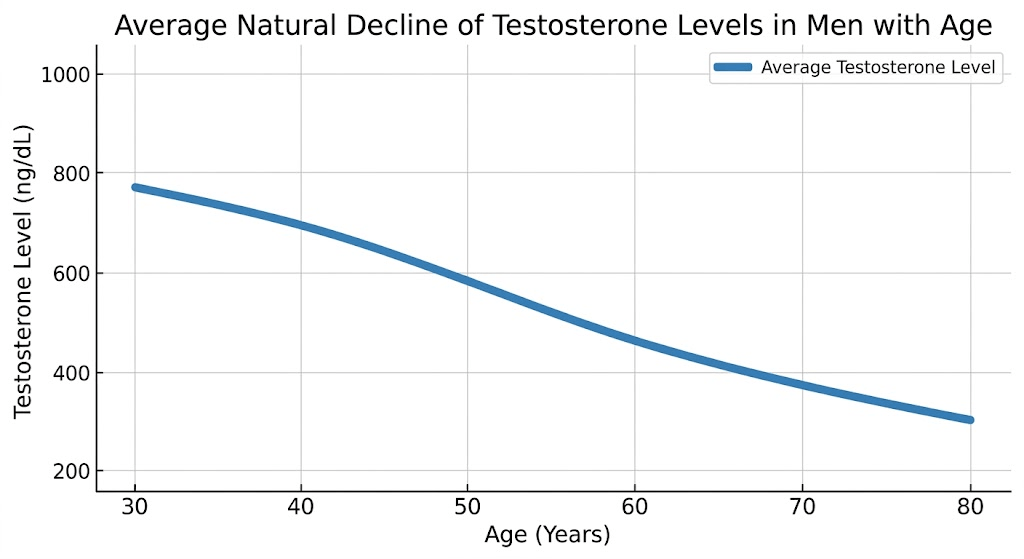
It is completely normal for a man’s testosterone production to peak in early adulthood and slowly decrease over time. The Urology Care Foundation notes that a gradual drop of about 1% to 2% per year starting in a man’s 30s or 40s is a standard part of the aging process.
Clinically low testosterone, often called hypogonadism, is different. It occurs when the body fails to produce enough testosterone to support normal physiological functions. This can happen due to problems with the testicles themselves or issues with the pituitary gland or hypothalamus in the brain, which send the signals to produce the hormone.
Common Causes or Contributing Factors
Understanding why testosterone levels drop requires looking at both natural life progression and external health factors.
Factors for Normal Age-Related Decline:
- Aging: The natural slowing down of cellular processes in the testes.
- Changes in binding proteins: As men age, the body produces more sex hormone-binding globulin (SHBG), which binds to testosterone, leaving less “free” testosterone available for the body to use.
Factors for Clinically Low Testosterone:
- Obesity: Excess body fat can convert testosterone into estrogen, lowering overall testosterone levels.
- Chronic health conditions: Type 2 diabetes, liver disease, and kidney disease can interfere with hormone production.
- Certain medications: Long-term use of opioid pain medications or certain steroids can suppress testosterone.
- Testicular injury or infection: Direct trauma or illnesses like mumps orchitis can damage the testes.
- Pituitary gland disorders: Tumors or diseases affecting the pituitary gland can stop the brain from sending the correct hormone signals.
Common Signs or Symptoms
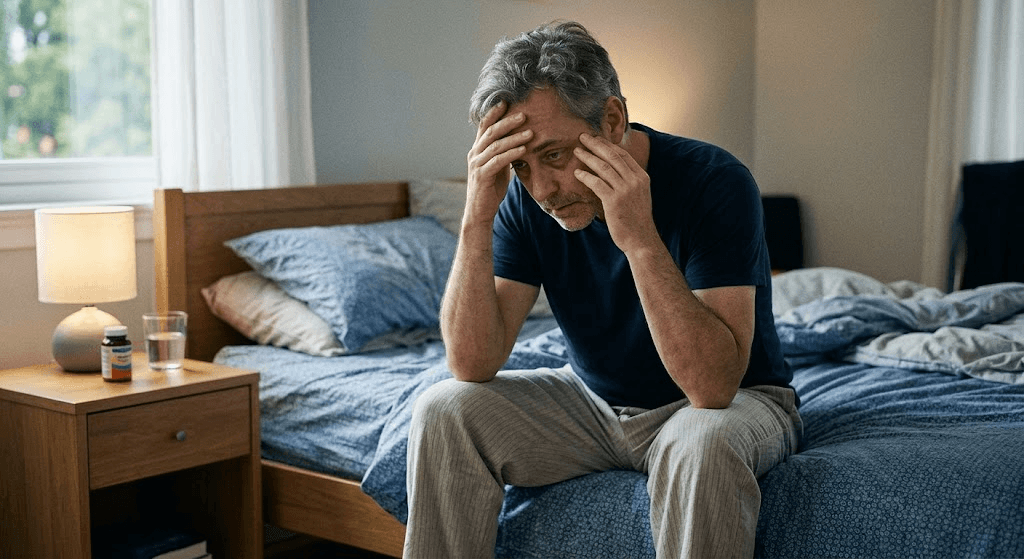
It is important to note that symptoms alone cannot confirm a diagnosis of low testosterone. Many of these signs overlap with stress, poor sleep, or other medical conditions.
Normal Age-Related Changes
Men experiencing a natural decline might notice:
- Needing more time to recover after a heavy workout.
- A gradual, mild decrease in spontaneous sexual desire.
- Slight changes in sleep patterns or occasional afternoon fatigue.
- Mild increases in body fat, particularly around the midsection, despite similar diet and exercise habits.
Clinically Low Testosterone (Hypogonadism)
Men with a clinical deficiency often experience more severe, disruptive symptoms:
- Significant, chronic fatigue that does not improve with rest.
- A near-total loss of libido or inability to maintain normal sexual function.
- Noticeable loss of muscle mass and physical strength.
- Development of breast tissue (gynecomastia).
- Decreased bone density, leading to easier fractures.
- Mood changes, including persistent irritability, lack of motivation, or depression.
How the Relevant Supplements Are Supposed to Work
Many men turn to over-the-counter dietary supplements when they notice signs of aging. These products are often marketed as “testosterone boosters” or “male vitality formulas.”
It is vital to understand that dietary supplements do not contain actual testosterone. True testosterone replacement therapy (TRT) is a prescription medication carefully monitored by a doctor.
Instead, over-the-counter supplements rely on vitamins, minerals, and herbal extracts. They are supposed to work by correcting nutritional deficiencies (like low zinc or magnesium) that might hinder natural hormone production, or by using botanical ingredients intended to support the body’s stress response, potentially freeing up the body’s resources to maintain normal hormone levels.
Common Ingredients
When evaluating men’s health formulas, you will frequently see the following ingredients. Here is what research suggests about them.
- Zinc: An essential mineral necessary for cellular metabolism and hormone production. If a man is deficient in zinc, supplementing may support normal testosterone levels. However, if a man already gets enough zinc from his diet, taking extra will not push testosterone beyond normal limits.
- Ashwagandha (Withania somnifera): This herb is classified as an adaptogen, meaning it may help the body manage stress. Some studies have investigated whether reducing cortisol (the stress hormone) through ashwagandha might indirectly support healthy testosterone levels.
- Fenugreek: An herb often used in cooking and traditional wellness practices. Some preliminary research suggests compounds in fenugreek might influence how the body processes free testosterone, though results have been mixed.
- D-Aspartic Acid (DAA): An amino acid involved in the endocrine system. While some short-term studies showed minor increases in hormone markers, longer-term studies on humans have often shown no significant difference, and in some cases, a slight decrease in active athletes.
- Tribulus Terrestris: A very popular botanical in male supplements. Despite its popularity, reliable human trials generally show that Tribulus does not increase human testosterone levels, though some users report subjective improvements in energy or libido.
What Does the Evidence Show?
When reviewing the scientific literature on dietary supplements for male vitality, the evidence falls into several categories:
Strong Evidence for Deficiencies: There is clear scientific consensus that correcting a severe vitamin D, zinc, or magnesium deficiency can help normalize a person’s hormone profile.
Mixed Evidence for Botanicals: Herbs like Ashwagandha and Maca root have shown mixed results. While some double-blind, placebo-controlled studies point to subjective improvements in vitality and stress management, they are not proven to treat clinical hypogonadism.
Insufficient Evidence for Direct Boosting: Currently, there is no reliable human research to support the idea that herbal dietary supplements can safely and permanently raise testosterone levels beyond a man’s natural baseline. Many claims rely heavily on test-tube or animal studies (like giving extracts to mice), which do not reliably translate to human biology.
Risks and Side Effects
Just because a product is available over the counter does not mean it is entirely safe for everyone.
- Medication Interactions: Herbal extracts can change how your body absorbs prescription medications. For example, Ashwagandha may interact with thyroid medications, and high doses of zinc can interfere with certain antibiotics.
- Proprietary Blends: Many products hide their exact ingredient amounts behind a “proprietary blend.” This makes it impossible to know if you are getting a safe amount of an active ingredient or just a trace amount mixed with fillers.
- Adulteration Concerns: The FDA has repeatedly warned consumers that some male enhancement or vitality supplements sold online have been found to contain hidden, unapproved prescription drugs.
Who Should Be Especially Careful?
Certain groups should exercise high caution before taking male vitality supplements:
- Men with prostate conditions: Anyone with a history of prostate cancer or enlarged prostate (BPH) should avoid hormone-influencing supplements unless cleared by their urologist.
- Men with cardiovascular disease: The relationship between hormone levels and heart health is complex. Always clear new supplements with a cardiologist.
- Individuals on prescription medications: Especially those taking blood thinners, blood pressure medications, or psychiatric drugs.
- Older adults: Age changes how the liver and kidneys process supplements, increasing the risk of side effects.
When to Speak With a Healthcare Professional
If you feel your energy, mood, and physical strength are declining, the safest first step is a doctor’s visit. You should schedule an appointment if you experience:
- Sudden or severe erectile dysfunction.
- Unexplained loss of muscle mass or rapid weight gain.
- Persistent feelings of depression, hopelessness, or severe mood swings.
- Development of breast tissue.
A doctor can perform a simple morning blood test to measure your total and free testosterone levels. This is the only way to accurately distinguish between normal aging and clinical hypogonadism.
How to Evaluate a Supplement in This Category
If you and your doctor decide that a dietary supplement is a safe addition to your routine, use this checklist to evaluate your options:
- Check for Third-Party Testing: Look for seals from organizations like NSF International, USP, or Informed Choice, which verify that what is on the label is actually in the bottle.
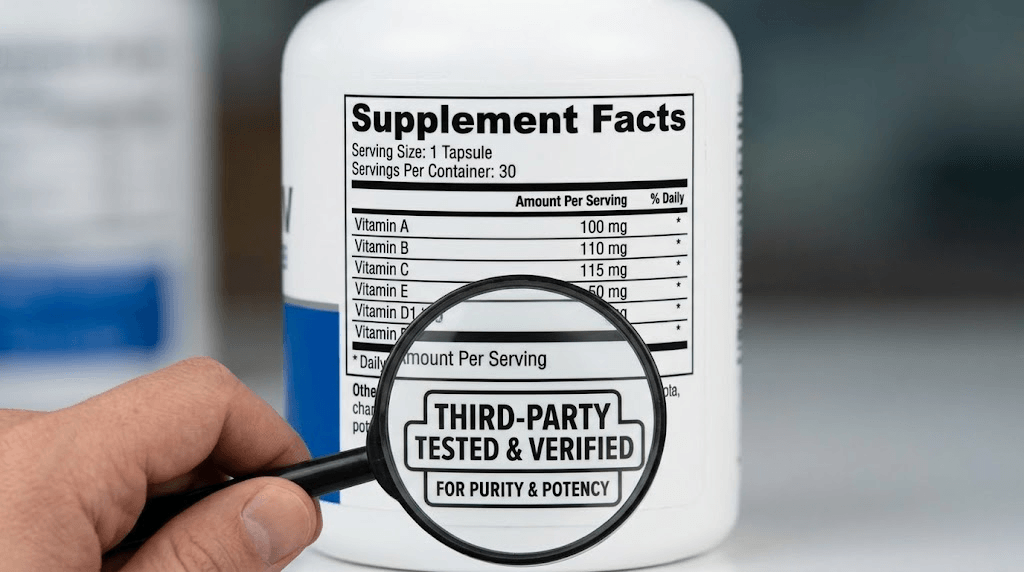
- Avoid Unrealistic Claims: If a product promises to “cure” low testosterone, double your muscle mass in a week, or act as a substitute for prescription medication, avoid it.
- Demand Label Transparency: Choose products that clearly list the exact milligram amount of every ingredient. Avoid “proprietary blends.”
- Look for Realistic Dosages: Compare the ingredient amounts on the label against the amounts actually used in scientific studies.
Related Product Analyses
Supplements Diary has examined several products in the men’s health category to help readers understand what they contain and how they are marketed. If you are researching specific brands, you can read our detailed breakdowns:
- Our TurboTest review looks at a popular formula and breaks down its specific ingredient profile.
- In our Testo 911 review, we examine the botanical and mineral blend used in this widely advertised supplement.
- Read our Testosil review to understand how ashwagandha-based formulas are designed.
- Our PrimalTRT review investigates the specific claims and ingredients aimed at supporting male energy.
- Finally, our Stratos Alpha review offers a closer look at a multi-ingredient approach to daily male wellness.
Frequently Asked Questions
Can you stop the natural decline of testosterone?
No, a gradual decline is a normal part of the human aging process. However, maintaining a healthy weight, exercising regularly, and eating a balanced diet can help your body optimize the testosterone it naturally produces.
Does sleep affect testosterone levels?
Yes, significantly. The majority of daily testosterone release occurs during sleep, specifically during REM sleep. Chronic sleep deprivation can temporarily lower testosterone levels in otherwise healthy men.
Are over-the-counter boosters the same as TRT?
No. Testosterone Replacement Therapy (TRT) involves actual prescription hormones (administered via gels, injections, or pellets) prescribed by a doctor to treat a diagnosed medical condition. Over-the-counter supplements contain herbs and vitamins meant to support general nutrition.
Will lifting weights increase my testosterone?
Resistance training and high-intensity interval training (HIIT) have been shown to cause short-term spikes in testosterone following a workout. Over the long term, building muscle and losing excess body fat can help maintain a healthier baseline hormone profile.
Conclusion
Understanding the difference between the mild, gradual changes of normal aging and the severe symptoms of clinically low testosterone is the first step toward better health. While normal aging might mean slightly longer recovery times and shifts in energy, a true hormonal deficiency causes significant disruptions to a man’s daily life.
Dietary supplements may offer nutritional support for overall vitality, especially if you have a specific vitamin or mineral deficiency. However, they are not a cure for medical conditions, and evidence for many popular herbal ingredients remains mixed. Always speak with a healthcare professional before starting a new supplement routine, and rely on medical blood tests rather than marketing claims to understand your hormone health.
References
- National Institutes of Health (NIH) Office of Dietary Supplements – Zinc: Fact Sheet for Health Professionals – https://ods.od.nih.gov/factsheets/Zinc-HealthProfessional/
- Urology Care Foundation – What is Low Testosterone? – https://www.urologyhealth.org/urology-a-z/l/low-testosterone
- Mayo Clinic – Male hypogonadism: Symptoms & causes – https://www.mayoclinic.org/diseases-conditions/male-hypogonadism/symptoms-causes/syc-20354881
- U.S. Food and Drug Administration (FDA) – Tainted Sexual Enhancement Products – https://www.fda.gov/drugs/medication-health-fraud/tainted-sexual-enhancement-products
- MedlinePlus – Aging changes in the male reproductive system – https://medlineplus.gov/ency/article/004000.htm

Dr. Emma Myers is a medical student at UNC School of Medicine in Chapel Hill, with a focus on autoimmune dermatology. She grew up in Durham, North Carolina, and completed her undergraduate studies at the University of Virginia, majoring in Human Biology and Spanish. Emma has worked as a medical assistant in dermatology, gaining experience in cosmetic and medical dermatology. She leads advocacy groups for autoimmune skin disorders and is involved in research on autoimmune diseases, skin safety, and early diagnosis. Outside of medicine, she is a certified yoga sculpt instructor and enjoys outdoor activities with her dog.