
Almost everyone experiences a swollen, tight, or uncomfortably full stomach at some point. Occasional bloating is a normal part of the human digestive process, often related to what we eat or how we digest our food. However, when bloating becomes a daily disruption, it is natural to look for answers and explore whether lifestyle changes or dietary supplements might help.
This article explains the common factors that contribute to bloating, how certain digestive supplements are supposed to work, and the current scientific evidence behind their ingredients. More importantly, it covers the warning signs that indicate your bloating might be a symptom of a more serious medical condition. Always talk to your doctor before adding a new herbal or dietary supplement to your routine, especially if you have existing health conditions.
Quick Answer
Bloating is most commonly caused by excess intestinal gas, constipation, food intolerances, or swallowing too much air. While some dietary supplements like probiotics or enzymes may help manage mild, occasional bloating, severe bloating accompanied by weight loss, severe pain, or bleeding always requires professional medical evaluation.
What Is Bloating?
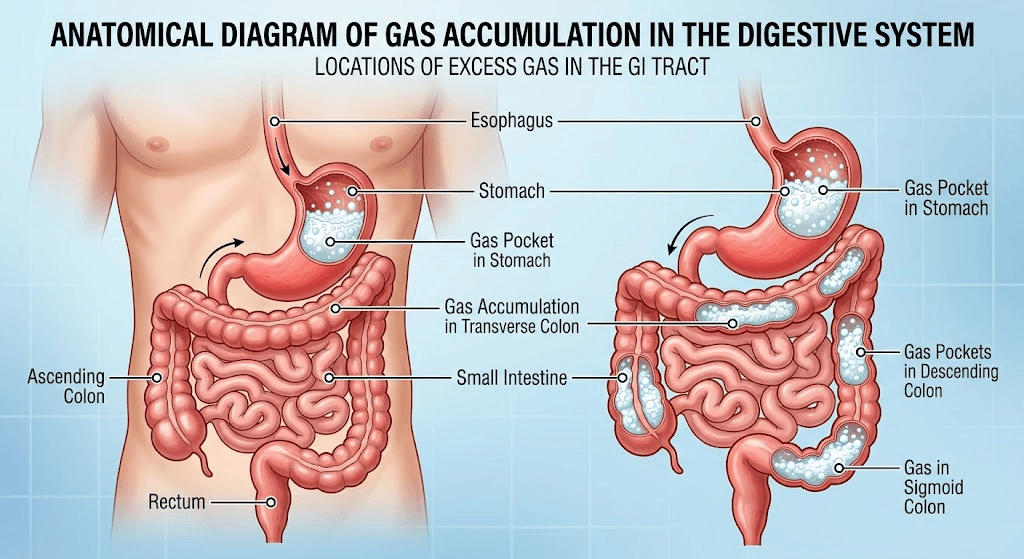
Bloating is the physical sensation of your abdomen feeling full, tight, or swollen. It happens when the gastrointestinal (GI) tract fills with air or gas. For some people, the stomach visibly extends (known as distension), while others only feel the internal pressure. It is important to note that feeling bloated is a symptom, not a disease itself. It is your body’s way of signaling that something is affecting your normal digestion.
Common Causes or Contributing Factors
Understanding why you feel bloated is the first step in addressing it. Many everyday habits and temporary dietary issues can lead to a swollen stomach. If you want to learn more about the foundation of gut function, our guide to digestive health basics covers how the GI tract breaks down food.
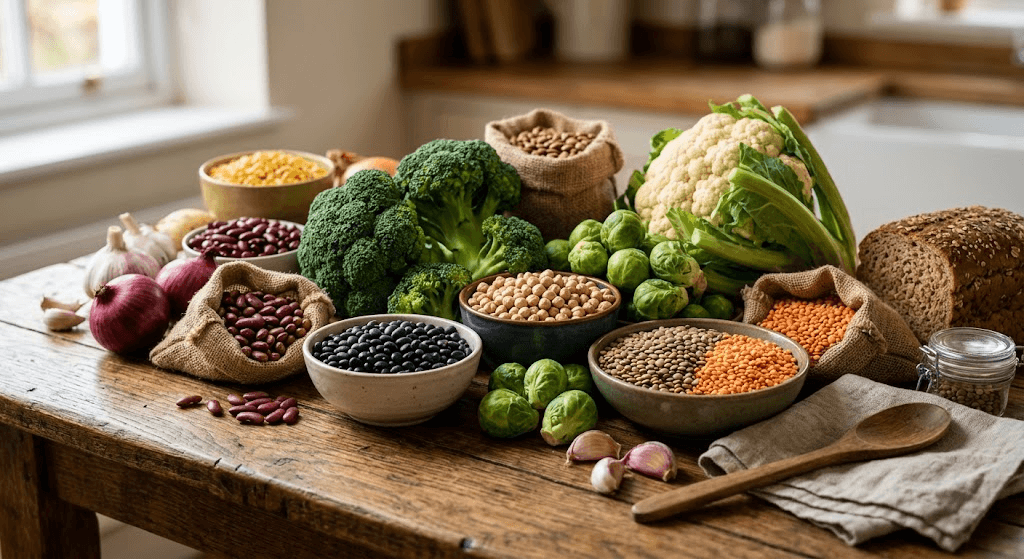
Common contributors to bloating include:
- Excess Intestinal Gas: As food moves through your digestive tract, gut bacteria break down undigested carbohydrates through fermentation. This process produces gas. Foods high in fiber, such as beans, lentils, and certain vegetables, are common culprits.
- Constipation: When stool backs up in the colon, it creates a physical blockage. This slows down the passage of gas and allows bacteria more time to ferment resting stool, leading to increased gas production and a tight feeling in the abdomen.
- Swallowing Air (Aerophagia): Eating too fast, chewing gum, drinking through a straw, or consuming carbonated beverages introduces extra air into the stomach.
- Food Intolerances: If your body lacks the specific enzymes needed to break down certain foods—such as lactose in dairy products—those undigested sugars travel to the colon where bacteria ferment them, creating significant gas and fluid buildup.
- Gut Microbiome Imbalances: The gut microbiome (the community of bacteria living in your intestines) needs a healthy balance to function properly. Disruptions from illness, poor diet, or antibiotic use can sometimes alter digestion and increase gas.
Common Signs or Symptoms
While the main sign is a feeling of fullness, bloating is often accompanied by other mild digestive symptoms. Note that these symptoms alone cannot confirm a specific medical diagnosis:
- A feeling of tightness or pressure in the stomach
- Visible swelling of the abdomen (distension)
- Frequent burping or passing gas (flatulence)
- Rumbling or gurgling noises in the stomach
- Mild, temporary stomach cramps that pass after a bowel movement or passing gas
How the Relevant Supplements Are Supposed to Work
Many people turn to dietary supplements in hopes of reducing digestive discomfort. Products marketed for bloating generally fall into a few main categories. They are designed to support normal digestion, though results have been mixed depending on the individual and the underlying cause of the bloating.
- Probiotics: These are live bacteria intended to add beneficial microbes to your gut. They are studied for their potential to help balance the microbiome and assist in breaking down food.
- Prebiotics: These are specialized plant fibers that the human body cannot digest. Instead, they serve as food for the good bacteria already living in your gut, theoretically helping them multiply and improve bowel regularity.
- Digestive Enzymes: These supplements aim to mimic the proteins your body naturally makes to break down fats, proteins, and carbohydrates, theoretically helping you process problem foods more efficiently.
Common Ingredients
When evaluating a digestive health supplement, you will likely see a few common ingredients on the label.
- Lactobacillus and Bifidobacterium: These are the most common probiotic strains. They are included to support the existing bacteria in the large intestine. Research suggests they may help some people with irritable bowel syndrome (IBS), but the effectiveness varies greatly by strain and dosage.
- Inulin and Fructooligosaccharides (FOS): These are common prebiotics extracted from plants like chicory root. They are included to support bowel regularity. However, because they ferment in the gut, taking too much can actually cause gas and bloating in sensitive individuals.
- Amylase, Lipase, and Protease: These are digestive enzymes that break down carbohydrates, fats, and proteins, respectively. They are included to ease the digestive burden on the stomach and pancreas.
- Peppermint Oil and Ginger: Often included in botanical blends, these herbal ingredients are traditionally used to soothe the digestive tract and relax stomach muscles.
What Does the Evidence Show?
The scientific evidence behind digestive supplements is layered.
Strong Evidence: There is solid clinical evidence that specific enzyme supplements, such as lactase, effectively reduce gas and bloating in people with diagnosed lactose intolerance. Additionally, certain strains of probiotics have shown reliable benefits in managing symptoms for people diagnosed with specific conditions like IBS, according to the American College of Gastroenterology.
Mixed Evidence: For general, everyday bloating in otherwise healthy people, the evidence for multi-strain probiotics and broad-spectrum enzyme blends is mixed. Some clinical trials show mild improvements in digestive comfort, while others show no significant difference compared to a placebo.
Insufficient Evidence: Currently, there is no reliable human research to support the idea that taking massive doses of prebiotics will cure chronic bloating. In fact, high doses often worsen symptoms initially.
Risks and Side Effects
Even though many digestive supplements are sold over the counter, they carry potential risks. If you are unfamiliar with how to evaluate product safety, review our guide to supplement safety before making a purchase.
- Worsening Symptoms: Ironically, both prebiotics and probiotics can cause an initial increase in gas, bloating, and stomach upset as the gut environment adjusts.
- SIBO Concerns: For individuals with Small Intestinal Bacterial Overgrowth (SIBO), taking prebiotics or certain probiotics can feed the overgrown bacteria, making bloating much worse.
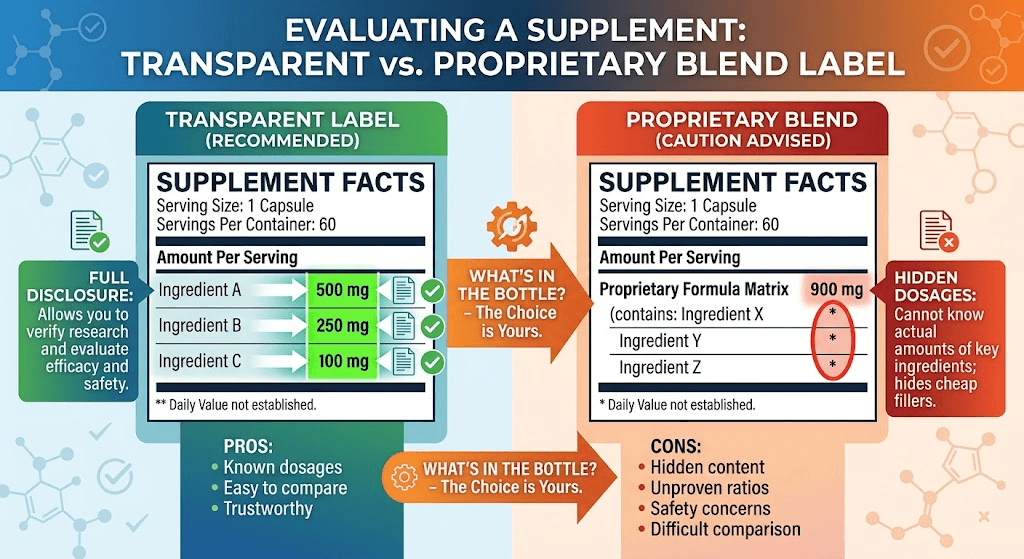
- Proprietary Blends: Many products hide their exact ingredient amounts behind “proprietary blends.” This makes it impossible to know if you are getting a safe or effective dose of an ingredient.
- Medication Interactions: Certain herbal ingredients found in digestive blends, like high doses of ginger, can interact with blood thinners or diabetes medications.
Who Should Be Especially Careful?
Certain groups should exercise high caution and always speak with a doctor before using supplements for bloating:
- People with severe GI conditions: Those diagnosed with Crohn’s disease, ulcerative colitis, or SIBO.
- Immunocompromised individuals: Taking live bacteria (probiotics) carries a risk of infection for those with weakened immune systems.
- Pregnant or nursing people: The safety of many herbal digestive blends has not been established for pregnancy.
- Children and older adults: Digestion changes with age, and pediatric or geriatric care requires specific medical oversight.
When to Speak With a Healthcare Professional
Occasional bloating is normal, but chronic or severe bloating is not. It is important to know when to seek medical advice. Contact a healthcare professional if your bloating is persistent, progressively worsens, or is accompanied by any of the following warning signs:
- Unexplained or sudden weight loss
- Blood in your stool or dark, tarry stools
- Severe or debilitating abdominal pain
- Frequent vomiting or nausea
- A feeling of getting full very quickly when eating (early satiety)
- A persistent, visible swelling of the abdomen that does not go away
- Fever alongside digestive pain
These symptoms can indicate underlying medical issues such as bowel obstructions, inflammatory bowel disease, celiac disease, or in some cases, certain types of cancer.
How to Evaluate a Supplement in This Category
If your doctor agrees that a digestive supplement is safe for you to try, use this practical checklist to evaluate your options:
- Transparency: Does the label clearly list the exact amount of each ingredient, or does it hide behind a proprietary blend?
- Realistic Claims: Does the product claim to “cure” stomach issues or guarantee overnight weight loss? (Avoid these products; reliable companies do not make disease-cure claims).
- Strain Specificity: If it is a probiotic, does it list the specific strain (e.g., Lactobacillus rhamnosus GG) rather than just the general family?
- Third-Party Testing: Look for seals from independent organizations like NSF, USP, or ConsumerLab, which verify that the product actually contains what the label says.
Related Product Analyses
Supplements Diary has also examined several products marketed for digestive health. If you are researching specific brands, you can read our detailed ingredient evaluations:
- Our PrimeBiome review looks closely at a popular probiotic formula, analyzing its specific bacterial strains and marketing claims.
- If you are interested in prebiotic fiber for bowel regularity, our Peak BioBoost review evaluates the plant fibers used in this specific blend.
- For a breakdown of enzyme-based approaches, our Integrative Digestive Formula review explores a product designed to support the breakdown of difficult-to-digest foods.
Frequently Asked Questions
Can drinking water help with bloating?
Yes. Staying hydrated helps keep stool soft and moving through the colon, which can prevent constipation—one of the leading causes of bloating and trapped gas.
Do artificial sweeteners cause bloating?
They can. Sugar alcohols (like sorbitol, xylitol, and mannitol) are poorly absorbed by the digestive tract. When they reach the large intestine, bacteria ferment them, which can produce significant gas and bloating in some people.
Is it normal to be bloated after every meal?
While a slight feeling of fullness is normal after a large meal, experiencing painful or severe distension after every meal is not typical. This pattern often points to a food intolerance, inadequate enzyme production, or an issue with gut motility that a doctor should evaluate.
Will fasting get rid of bloating?
Skipping meals or fasting might temporarily empty the stomach and reduce gas production for a short time, but it does not address the underlying cause of the bloating. Chronic fasting can also disrupt normal gut motility.
Conclusion
Bloating is a common, often uncomfortable sensation that is usually tied to diet, swallowed air, or simple constipation. While many people find relief through dietary adjustments and over-the-counter digestive supplements—such as specific probiotics, prebiotics, or enzymes—it is important to remember that these products are not guaranteed fixes. The scientific evidence varies, and what works for one person’s gut may not work for another’s.
Always approach supplements with caution, checking for transparent labels and avoiding exaggerated health claims. Most importantly, if your bloating is severe, persistent, or accompanied by red-flag symptoms like pain or weight loss, bypass the supplement aisle entirely and seek professional medical advice to ensure your long-term health and safety.
References
- National Institute of Diabetes and Digestive and Kidney Diseases (NIDDK) – Symptoms & Causes of Gas in the Digestive Tract – https://www.niddk.nih.gov/health-information/digestive-diseases/gas-digestive-tract/symptoms-causes
- National Center for Complementary and Integrative Health (NCCIH) – Probiotics: What You Need To Know – https://www.nccih.nih.gov/health/probiotics-what-you-need-to-know
- Office of Dietary Supplements (ODS) – Botanical Dietary Supplements: Background Information – https://ods.od.nih.gov/factsheets/BotanicalBackground-HealthProfessional/
- Mayo Clinic – Belching, gas and bloating: Tips for reducing them – https://www.mayoclinic.org/diseases-conditions/gas-and-gas-pains/in-depth/gas-and-gas-pains/art-20044739

Dr. Emma Myers is a medical student at UNC School of Medicine in Chapel Hill, with a focus on autoimmune dermatology. She grew up in Durham, North Carolina, and completed her undergraduate studies at the University of Virginia, majoring in Human Biology and Spanish. Emma has worked as a medical assistant in dermatology, gaining experience in cosmetic and medical dermatology. She leads advocacy groups for autoimmune skin disorders and is involved in research on autoimmune diseases, skin safety, and early diagnosis. Outside of medicine, she is a certified yoga sculpt instructor and enjoys outdoor activities with her dog.