
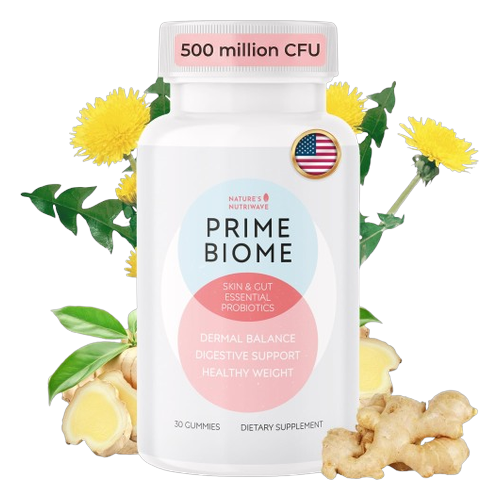
If you are searching for an honest PrimeBiome review before spending your hard-earned money, you are in the right place. Gut health supplements are flooding the market, promising instant relief from bloating, gas, and irregular digestion. Consumers are actively researching PrimeBiome to determine if it is a legitimate wellness tool or just an overpriced bottle of ineffective capsules.
In this comprehensive review, we check the ingredients, clinical evidence, side effects, customer reviews, pricing, and potential scam concerns. We will not hand out a final verdict until we dissect the actual formula. By examining the science and separating biological facts from aggressive marketing hype, we aim to give you the clear, unbiased information you need to decide if this supplement belongs in your daily routine.

| Feature | Details |
| Verdict | Cautious approach recommended due to proprietary blends. |
| Best For | Individuals seeking basic probiotic support. |
| Not Best For | People with severe gastrointestinal or immune issues. |
| Evidence Level | Weak to Moderate (based on generic ingredients). |
| Price Per Serving | Unknown (fluctuates heavily based on bundle deals). |
| Side-Effect Risk | Low to Moderate (mild digestive upset expected). |
| Refund Policy | 60-day money-back guarantee (shipping excluded). |
| Third-Party Testing | Unknown |
| Official Website | Visit Website |
What Is PrimeBiome?
PrimeBiome is a daily dietary supplement designed to support the digestive microbiome. It is primarily marketed to adults experiencing common gastrointestinal frustrations like occasional bloating, gas, and irregular bowel movements. Sold in a standard capsule form, the product claims to deliver a potent mix of probiotics and prebiotics directly into the gut. According to the seller, the main benefits include enhanced nutrient absorption, normalized digestive regularity, elevated daily energy levels, and stronger immune support. The core concept relies on introducing beneficial bacteria into the digestive tract to create a thriving, balanced microbiome. While these general benefits align with established nutritional science, a supplement’s actual effectiveness relies entirely on its specific formulation, ingredient purity, and clinical dosages.
Company Behind PrimeBiome
Transparency is a non-negotiable factor when evaluating dietary supplements. The company behind PrimeBiome provides frustratingly limited details about its corporate headquarters or executive leadership. While the primary sales page lists a generic customer service email and phone number, specific manufacturing origins remain vague.
The brand states the product is manufactured in a GMP-certified facility, which is a standard regulatory baseline, but there is no proof of independent verification from organizations like ConsumerLab. Without published certificates of analysis confirming purity and potency, consumers must blindly trust the label. They offer a standard 60-day refund policy, but independent customer support reviews suggest mixed experiences when actually trying to process returns. If verifiable corporate history and rigorous testing details are missing, it severely damages the brand’s overall trustworthiness.
PrimeBiome Ingredients
| Ingredient | Dosage | Claimed Benefit | Evidence Quality | Safety Notes |
|---|---|---|---|---|
| Lactobacillus Acidophilus | Not disclosed | Eases digestion and bloating | Moderate | Safe; may cause temporary gas |
| Bifidobacterium Lactis | Not disclosed | Promotes regular bowel movements | Moderate | Generally well-tolerated |
| Inulin (Prebiotic Fiber) | Not disclosed | Nourishes healthy gut bacteria | Strong | High doses trigger severe bloating |
| Proprietary Herbal Blend | Not disclosed | Soothes intestinal lining | Weak | Impossible to assess safety |
Note: PrimeBiome uses a proprietary blend. This means the total weight of the blend is listed, but the specific milligram or CFU (colony-forming unit) dosage of each individual ingredient is hidden.
How Does PrimeBiome Work?
The theoretical mechanism behind PrimeBiome is microbiome therapy, relying on the synergy between probiotics and prebiotics. The supplement introduces live strains of beneficial bacteria (probiotics) into the digestive tract to compete against harmful bacteria. Simultaneously, it delivers prebiotics like inulin, which act as a direct food source for these new bacteria. According to the National Center for Complementary and Integrative Health, nourishing these strains helps them survive stomach acid and colonize the lower intestines. Once settled, they help break down complex carbohydrates and produce short-chain fatty acids vital for intestinal health.
However, while this biological mechanism is proven for properly dosed individual ingredients, proving the complete PrimeBiome formula works requires exact dosage data. We must separate the established science of generic probiotics from the unproven reality of this specific, hidden-dose formulation.
Does PrimeBiome Really Work? Evidence Review
Evaluating whether PrimeBiome really works requires analyzing both clinical studies and label transparency. Currently, there are no published human trials, double-blind studies, or peer-reviewed papers testing the exact PrimeBiome formula. We must judge the product based solely on its individual ingredients and dose matching.
Research published on PubMed indicates that strains like Lactobacillus and Bifidobacterium effectively manage irritable bowel symptoms. However, these clinical benefits are entirely strain-specific and dose-dependent. Because PrimeBiome hides its exact CFU counts behind a proprietary blend, it is impossible to confirm if the product provides a clinically effective dose. Furthermore, resources like Examine show that while prebiotics like inulin support gut flora, taking inadequate amounts does nothing, while excessive amounts cause painful gas.
We assign PrimeBiome an evidence grade of Weak to Moderate. The fundamental science behind the ingredients is solid, but the severe lack of dosage transparency and absence of formula-specific testing make guaranteed results impossible. Users might experience minor digestive relief, but it lacks the scientific backing to act as a definitive cure.
Pros and Cons PrimeBiome
- Utilizes widely recognized probiotic strains for baseline gut support.
- Includes prebiotic fibers designed to nourish beneficial bacteria.
- Offered with a stated 60-day money-back guarantee.
- Convenient daily capsule format.
- Uses proprietary blends that hide exact ingredient dosages.
- Zero evidence of third-party testing for label accuracy or purity.
- Lacks formula-specific clinical trials or human testing.
- Missing transparent corporate details and leadership history.
- Risk of mild side effects like temporary gas and bloating.Risk of mild side effects like temporary gas and bloating.
- Expensive compared to fully transparent, clinically dosed alternatives.
PrimeBiome Customer Reviews
Verified customer feedback for PrimeBiome reveals a polarized user experience. Positive reviews frequently highlight a noticeable reduction in afternoon bloating and improved morning regularity after roughly three weeks of use. Many of these users appreciate that the capsules are easy to swallow and do not cause immediate stomach upset. Conversely, a prominent pattern of negative feedback focuses on a complete lack of results.
Numerous users report taking the supplement exactly as directed for over a month with zero changes to their digestive health. Other buyers expressed frustration over the high price tag relative to the minimal benefits experienced. Because verifiable reviews outside of the manufacturer’s heavily curated website are sparse, buyers should view overly enthusiastic testimonials with heavy skepticism.
PrimeBiome Reviews and Complaints
Looking beyond the official sales page to sourceable third-party consumer platforms paints a clearer picture of the brand’s reputation. Independent complaints frequently highlight deceptive auto-ship subscription models. Multiple consumers reported unknowingly enrolling in a monthly recurring billing program at checkout, later finding it difficult to cancel via customer service.
Additionally, product-focused complaints center around initial gastrointestinal distress. While probiotics often cause mild gas during the first week, some users felt the prolonged discomfort outweighed any potential benefits and demanded refunds. The Federal Trade Commission (FTC) mandates strict transparency regarding recurring billing, making these specific complaints a major red flag. Checked in July 2026, the general consumer sentiment on independent forums leans cautious. Prospective buyers must scrutinize the checkout page’s fine print and fully understand the return policy before entering credit card details.
PrimeBiome Ratings
| Platform | Rating | Number of Reviews | Date Checked | Source Note |
|---|---|---|---|---|
| Official Website | 4.8/5 | ~250+ | July 2026 | Heavily curated by the seller |
| Amazon | N/A | N/A | July 2026 | Reliable public ratings could not be verified |
| Better Business Bureau | N/A | N/A | July 2026 | Profile unclaimed and unaccredited |
Side Effects and Safety
When introducing microbiome supplements into your diet, understanding potential side effects is critical. The most common known side effects of probiotics and prebiotics include temporary bloating, excess gas, mild stomach cramps, and changes in bowel habits. These symptoms usually reflect a brief adjustment phase and subside within a week. However, because PrimeBiome uses an undisclosed amount of inulin, individuals highly sensitive to FODMAPs may experience severe, prolonged bloating.
Allergy risks also exist. Depending on the unverified manufacturing facility, cross-contamination with dairy or soy is possible, posing a threat to highly allergic users. Overdose risks are low, but exceeding the recommended dosage will likely trigger painful diarrhea rather than faster results.
According to safety guidelines from WebMD, specific groups must avoid unregulated probiotics. Immunocompromised individuals, patients with short bowel syndrome, and those recovering from gastrointestinal surgery should strictly avoid this product. Pregnant or breastfeeding people and those taking prescription medications must speak with a healthcare professional before use to prevent adverse interactions.
Dosage and How to Use
The official label instructions require taking two capsules daily with a full glass of water. For optimal absorption, take the capsules 20 to 30 minutes before a meal. This timing helps buffer harsh stomach acids, giving the live bacteria a better chance of surviving the journey to your lower intestines. Consistency is non-negotiable; you must take the product daily to maintain the bacterial colonies. Do not exceed the label instructions. Taking more than two capsules will not accelerate your results and will significantly increase the risk of painful bloating.
Where to Buy PrimeBiome
If you decide to purchase PrimeBiome, the only confirmed, reliable option is the official manufacturer’s website. At the time of this review, the product is not verified for sale at major retailers like Walmart, nor is it reliably stocked by authorized sellers on Amazon.
Consumers must be highly vigilant regarding counterfeit products sold on third-party auction sites or unverified marketplaces. Counterfeit supplements often bypass health regulations, containing cheap fillers or dangerous contaminants instead of live cultures. To guarantee you receive the authentic formula and remain eligible for the 60-day refund policy, buy exclusively through the official, verified web page.
Pricing and Refund Policy
PrimeBiome utilizes a tiered pricing structure designed to encourage bulk purchases. A single bottle, containing a one-month supply, costs approximately $59 to $69, making it a premium-priced supplement. Bundle offers lower the cost per bottle; a three-bottle package drops the price to roughly $49 each, while a six-bottle bundle reduces it to about $39 per bottle. Shipping fees generally apply to single bottles but are waived for larger bundles.
The company advertises a 60-day refund period, allowing users to return empty or unused bottles for a refund, minus shipping and handling fees. However, buyers must watch for auto-billing traps. Promotional prices are often quietly linked to monthly subscription services. If auto-billing is active at checkout, you must manually cancel it, or you will be charged continuously. Read all terms carefully before buying.
Is PrimeBiome a Scam? Red Flags and Trust Check
Investigating scam concerns requires looking past slick marketing to evaluate real trust signals. Legally, PrimeBiome is a physical dietary supplement, not an outright credit card fraud scheme. However, several glaring red flags demand attention.
First, the manufacturer relies on exaggerated biological claims, promising overnight gut restoration that defies medical science. Second, the hidden company details and lack of transparent executive leadership erode consumer trust. Third, the use of proprietary blends allows the brand to mask cheap, under-dosed formulas behind a premium price tag.
While the U.S. Food and Drug Administration (FDA) has not issued direct warning letters against PrimeBiome as of this writing, the FDA does not approve dietary supplements before they hit the market. Combined with the recurring billing complaints common to this brand’s marketing style, our verdict is highly cautious. It is not an illegal scam, but its lack of transparency and aggressive sales tactics make it a risky financial investment.
Comparison With Alternatives
| Feature | PrimeBiome | Seed DS-01 | Align Probiotic |
|---|---|---|---|
| Price Per Serving | ~$2.00+ | $1.66 | ~$0.90 |
| Ingredient Transparency | Low (Proprietary) | High (Exact CFUs) | High (Exact CFUs) |
| Evidence Quality | Weak | Strong | Strong |
| Refund Policy | 60 Days | 30 Days | 60 Days |
| Third-Party Testing | Unknown | Confirmed | Confirmed |
| Review Trust | Mixed / Unknown | High | High |
PrimeBiome struggles significantly against established alternatives. Brands like Seed and Align offer complete label transparency, exact CFU counts, and clinical backing from reputable sources like the Mayo Clinic for their specific strains. PrimeBiome is vastly more expensive per serving while offering zero proof of third-party testing or dosage efficacy.
Is PrimeBiome Worth It?
Delivering a final recommendation means weighing the high price tag against the glaring lack of transparency. Based on this thorough review, PrimeBiome is not recommended for the average consumer. While it contains generically beneficial ingredients, the use of a proprietary blend hides the actual dosages, making it impossible to know if you are getting a clinically effective product.
Individuals looking for the absolute most basic gut support who are willing to risk the high price and monitor their credit cards for auto-subscriptions might try it. However, if you want verified clinical doses, independent purity testing, and genuine value for your money, you should avoid PrimeBiome entirely. The missing data and low trust signals confirm that it simply is not worth the premium asking price.
PrimeBiome Claims
The manufacturer makes several aggressive claims about PrimeBiome’s ability to transform digestion. First, they claim the product rapidly eliminates chronic bloating. This is partially supported. While certain probiotic strains can ease occasional bloating, they are rarely a quick fix for chronic issues. Second, the seller claims it significantly boosts immune system function. This is partially supported. The National Institutes of Health confirms the gut microbiome influences immune responses, but stating one supplement guarantees enhanced immunity lacks definitive clinical proof. Third, PrimeBiome claims to maximize nutrient absorption from food.
There is not enough evidence to verify this specific formulation improves systemic nutrient uptake in healthy adults. Finally, the claim that it restores complete microbiome balance in just a few days is unsupported. Modulating gut flora is a gradual, long-term biological process. Overnight resets are marketing fiction, and buyers should remain skeptical of such absolute promises.
FAQs
Q1. Is PrimeBiome FDA approved?
No. Dietary supplements are not approved by the FDA before being sold. The FDA only monitors products post-market for adverse safety reports.
Q2. Does PrimeBiome actually work?
It may provide mild relief for gas and bloating due to general probiotics, but hidden dosages mean consistent, reliable results cannot be guaranteed.
Q3. What are the side effects of PrimeBiome?
Common side effects include temporary gas, bloating, and stomach cramps as your digestive system adjusts to the new bacterial strains.
Q4. Are there any scam concerns associated with PrimeBiome?
While PrimeBiome is a real product, red flags include hidden ingredient dosages, lack of corporate transparency, and consumer complaints regarding hidden auto-ship subscriptions.
Q5. How long does it take to see results from PrimeBiome?
If the dosages are sufficient, most probiotic supplements require 2 to 4 weeks of daily use to produce noticeable digestive changes.
Q6. Are the customer reviews for PrimeBiome real?
Reviews on the official PrimeBiome sales page are heavily curated by the manufacturer. Independent, reliable public ratings are currently unavailable to verify these claims.
Q7. What is the refund policy for PrimeBiome?
The brand offers a 60-day money-back guarantee, though customers usually forfeit initial shipping costs and must pay for return shipping.
Q8. Where is the best place to buy PrimeBiome?
If you choose to purchase PrimeBiome, strictly use the official website to avoid dangerous counterfeits and ensure you qualify for the refund policy.
Q9. Who should avoid using PrimeBiome?
Immunocompromised individuals, children, and people with severe intestinal diseases should avoid unregulated probiotics like PrimeBiome.
Q10. Can PrimeBiome be taken with other medication?
Never combine a new supplement like PrimeBiome with prescription medications without first consulting your doctor, as unwanted drug interactions can occur.
Conclusion
This PrimeBiome review reveals a product leaning heavily on the trendy science of gut health without offering the transparency required to justify its cost. While it includes fundamentally sound ingredients like Lactobacillus and inulin, hiding the exact dosages behind a proprietary blend is a massive red flag. Mild side effects are possible, but the primary risk here is financial, particularly concerning hidden auto-ship subscriptions and a lack of verifiable third-party testing.
Without exact CFU counts and independent clinical backing, there is simply not enough evidence to recommend this product over established, transparent competitors. We advise consumers to skip PrimeBiome and invest in clinically dosed, reputable alternatives to protect both their gut and their wallet.
Disclaimer: The content provided in this article is for informational purposes only and does not constitute medical advice. Always consult a qualified healthcare professional before starting any new dietary supplement.
References
National Center for Complementary and Integrative Health (NCCIH) – Probiotics: What You Need To Know – https://www.nccih.nih.gov/health/probiotics-what-you-need-to-know
U.S. Food and Drug Administration (FDA) – Dietary Supplements – https://www.fda.gov/food/dietary-supplements
WebMD – What Are Probiotics? – https://www.webmd.com/digestive-disorders/what-are-probiotics
Examine – Inulin: Health Benefits, Dosage, and Side Effects – https://examine.com/supplements/inulin/
Federal Trade Commission (FTC) – Getting In and Out of Free Trials, Auto-Renewals, and Negative Option Subscriptions – https://consumer.ftc.gov/articles/getting-in-out-free-trials-auto-renewals-and-negative-option-subscriptions
National Institutes of Health (NIH) – Role of the gut microbiota in immunity and inflammatory disease – https://www.ncbi.nlm.nih.gov/pmc/articles/PMC3337124/
PubMed – Efficacy of prebiotics, probiotics, and synbiotics in irritable bowel syndrome and chronic idiopathic constipation: systematic review and meta-analysis – https://pubmed.ncbi.nlm.nih.gov/25070051/

Dr. Emma Myers is a medical student at UNC School of Medicine in Chapel Hill, with a focus on autoimmune dermatology. She grew up in Durham, North Carolina, and completed her undergraduate studies at the University of Virginia, majoring in Human Biology and Spanish. Emma has worked as a medical assistant in dermatology, gaining experience in cosmetic and medical dermatology. She leads advocacy groups for autoimmune skin disorders and is involved in research on autoimmune diseases, skin safety, and early diagnosis. Outside of medicine, she is a certified yoga sculpt instructor and enjoys outdoor activities with her dog.