
Feeling unsteady on your feet or experiencing a spinning sensation can be alarming. Many people use the words “dizziness” and “vertigo” interchangeably to describe these feelings. However, in the medical world, they mean two different things and usually point to different underlying causes.
Understanding whether you are dealing with general dizziness or true vertigo is the first step toward figuring out what is happening in your body. This guide breaks down the physical differences between the two, explores common causes, and looks at what current research says about the dietary supplements marketed for inner ear and balance support.
Quick Answer
Dizziness is a broad term for feeling lightheaded, faint, unsteady, or weak. Vertigo is a specific type of dizziness that creates a false sensation that you or your surroundings are actively spinning or moving. While dizziness often relates to blood flow or hydration, vertigo usually stems from a problem in the inner ear or the brain.
What Is Dizziness?
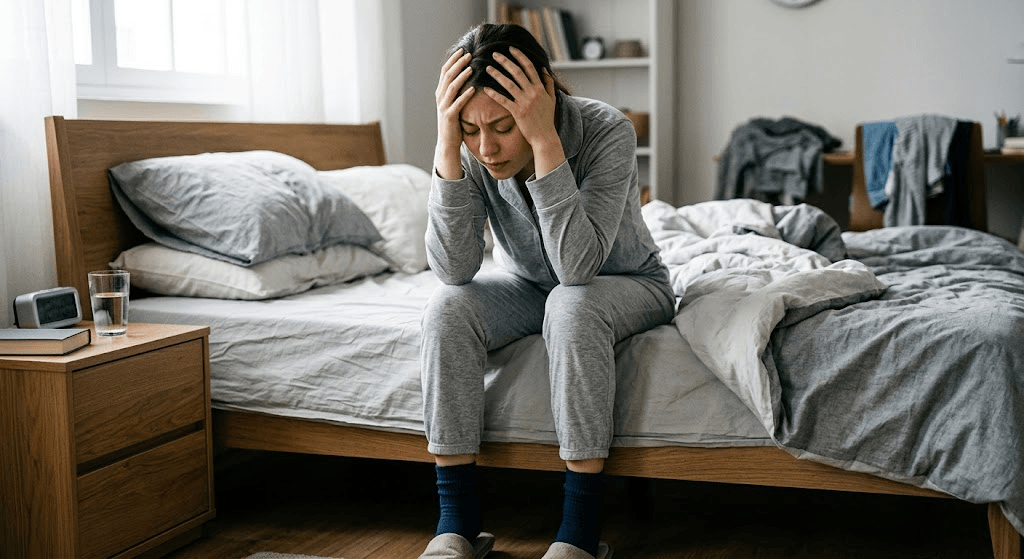
Dizziness is a general feeling of being off-balance or lightheaded. When you are dizzy, you might feel like you are about to faint or pass out, a sensation medical professionals call presyncope. You might also feel unsteady on your feet, as if you are walking on a boat, which is known as disequilibrium.
Dizziness happens inside your head. It affects your sense of clarity and balance, but it does not make the world around you look like it is in motion.
What Is Vertigo?
Vertigo is an illusion of movement. If you have vertigo, you feel as though you are spinning, swaying, or tilting, even when you are standing completely still. Sometimes it feels like the room itself is spinning around you.
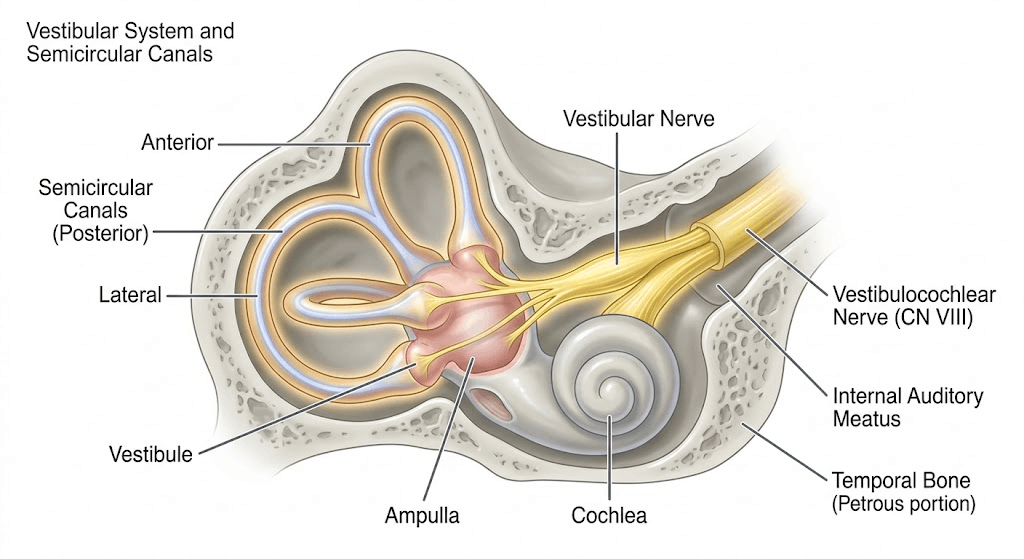
This sensation happens because of a disconnect in your vestibular system. The vestibular system includes the intricate structures of your inner ear and the nerves that carry balance signals to your brain. When these signals get mixed up, your brain thinks you are moving when you are not, resulting in the spinning feeling of vertigo.
Common Causes or Contributing Factors
Because dizziness and vertigo are different sensations, they usually have very different triggers.
Common Causes of Dizziness
General dizziness or lightheadedness is frequently tied to how well blood and oxygen are reaching your brain. Common culprits include:
- Dehydration: Not drinking enough fluids can lower your blood volume and blood pressure.
- Orthostatic hypotension: This is a rapid drop in blood pressure that happens when you stand up too quickly, causing a brief head rush or dizzy spell.
- Medication side effects: Many prescription drugs, especially blood pressure medications, sedatives, and antidepressants, list dizziness as a side effect.
- Low blood sugar (hypoglycemia): A drop in blood glucose, common in people with diabetes or those who skip meals, can cause sudden faintness.
- Anemia: Low iron levels mean fewer red blood cells to carry oxygen to the brain, resulting in lightheadedness.
Common Causes of Vertigo
Vertigo almost always stems from an issue with the inner ear or the vestibular nerve.
- Benign Paroxysmal Positional Vertigo (BPPV): This is the most common cause. It happens when tiny calcium crystals in the inner ear break loose and float into the ear canals. This sends confusing signals to the brain when you change head positions.
- Vestibular neuritis: A viral infection can cause inflammation of the vestibular nerve, leading to sudden, intense vertigo.
- Meniere’s disease: This inner ear disorder involves a buildup of fluid and can cause episodes of vertigo, ringing in the ears (tinnitus), and hearing loss.
- Vestibular migraines: Some people experience vertigo as a symptom of a migraine headache.
Common Signs or Symptoms
While the main difference is lightheadedness versus spinning, other symptoms can accompany these episodes.
If you are dealing with general dizziness, you might also experience clammy skin, a feeling of weakness in your legs, or brief nausea.
If you are dealing with vertigo, the spinning sensation is often much more intense. People with vertigo frequently experience severe nausea and vomiting, a loss of balance that makes walking impossible during an episode, and abnormal, jerking eye movements known as nystagmus.
Note: Symptoms alone cannot confirm a diagnosis. Only a healthcare professional can determine the true cause of your symptoms.
How the Relevant Supplements Are Supposed to Work
Many dietary supplements are marketed to support sensory health, nerve function, and balance. Manufacturers often create blends of vitamins, minerals, and herbal extracts intended to target the systems that control these functions.
In theory, these supplements are designed to:
- Support healthy blood circulation to the inner ear and brain.
- Provide antioxidants to protect delicate nerve cells from oxidative stress.
- Supply specific nutrients that support the vestibular nerve.
- Help ease mild nausea associated with motion or spatial confusion.
It is important to remember that dietary supplements are not drugs. They are not intended to cure or treat medical conditions like BPPV or Meniere’s disease.
Common Ingredients
When looking at products aimed at balance and inner ear health, several ingredients show up frequently.
Ginkgo Biloba
Ginkgo tree extract is one of the most common herbs used for cognitive and sensory support. It is included because some studies suggest it may help support microcirculation—the flow of blood through the smallest vessels in the body, including those in the brain and inner ear.
Ginger Root
Ginger is widely recognized for its ability to soothe the stomach. It is frequently included in sensory supplements to help manage the nausea that often accompanies motion sickness and vertigo.

Vitamin D
Research suggests a potential link between low Vitamin D levels and recurrent episodes of BPPV. Vitamin D helps the body absorb calcium. Since BPPV is caused by loose calcium crystals in the ear, researchers are exploring whether maintaining adequate Vitamin D levels helps stabilize these crystals.
Magnesium
Magnesium is a mineral that plays a role in nerve transmission and blood vessel regulation. It is sometimes included in balance formulas because some studies have investigated its potential to help manage vestibular migraines.
Vitamin B12
Vitamin B12 is essential for maintaining healthy nerve cells. A severe deficiency in B12 can lead to nerve damage, which may manifest as unsteadiness, numbness, or dizziness.
What Does the Evidence Show?
When evaluating the science behind these ingredients, it is helpful to look at the strength of the evidence. Human clinical trials provide the most reliable data, while test-tube or animal studies offer limited insight into how an ingredient actually works in a human body.
Strong Evidence:
- Vitamin B12 for deficiency: There is strong evidence that correcting a Vitamin B12 deficiency can resolve unsteadiness and dizziness caused by that specific nutritional shortfall.
- Ginger for nausea: Human clinical trials consistently support the use of ginger for reducing mild nausea, though it does not stop the actual spinning sensation of vertigo.
Mixed or Limited Evidence:
- Vitamin D for BPPV: Studies suggest that people who are deficient in Vitamin D and experience BPPV may have fewer recurrences if they take Vitamin D supplements. However, it is not a treatment for an active vertigo episode.
- Ginkgo Biloba for vertigo: Some small studies suggest Ginkgo may help manage symptoms of vestibular disorders by supporting blood flow. However, major health organizations note that the overall evidence remains mixed and inconclusive.
Insufficient Evidence:
- Herbal blends for curing vertigo: Currently, there is no reliable human research to support the claim that any specific dietary supplement or herbal blend can cure conditions like BPPV or Meniere’s disease. BPPV, for example, is typically treated successfully by a doctor or physical therapist using specific head movements (like the Epley maneuver) to reposition the ear crystals.
Risks and Side Effects
Even natural ingredients can cause side effects and interact with medications. Before taking a supplement, you should be aware of the following:
- Bleeding risks: Ginkgo biloba can act as a mild blood thinner. Taking it alongside prescription blood thinners (like warfarin) or daily aspirin can increase the risk of bleeding.
- Digestive upset: While ginger soothes the stomach for many, high doses can cause heartburn, gas, and diarrhea.
- Toxicity: Fat-soluble vitamins, such as Vitamin D, can build up in your body if you take excessively high doses over a long period, potentially leading to calcium imbalances.
- Proprietary blends: Some supplements hide their exact ingredient amounts behind a “proprietary blend” label. This makes it impossible to know if you are getting a safe or effective dose of any specific herb. To learn more about navigating these labels, read our guide to supplement safety.
Who Should Be Especially Careful?
Certain groups need to exercise extra caution with supplements:
- Pregnant and nursing people: Many herbal extracts have not been proven safe for fetal development.
- Older adults: Age changes how the liver and kidneys process herbs and vitamins, increasing the risk of side effects.
- People preparing for surgery: Because ingredients like ginkgo and ginger can affect blood clotting, doctors usually advise stopping all herbal supplements two weeks before any scheduled surgery.
- Those on prescription medications: Always check for interactions, especially if you take medication for blood pressure, diabetes, or heart conditions.
When to Speak With a Healthcare Professional
Dizziness and vertigo can occasionally be warning signs of a serious medical emergency, such as a stroke. Seek immediate emergency medical care if your dizziness or vertigo is accompanied by any of the following:
- A sudden, severe headache
- Chest pain or an irregular heartbeat
- Difficulty breathing
- Numbness, tingling, or weakness in your face, arms, or legs
- Difficulty speaking or slurred speech
- Sudden changes in vision or hearing
- Fainting or loss of consciousness
Even if you do not have these severe symptoms, you should always consult a doctor if you experience unexplained, recurrent, or severe dizziness.
How to Evaluate a Supplement in This Category
If your doctor agrees that a supplement might be appropriate for your nutritional needs, use this checklist to evaluate your options:
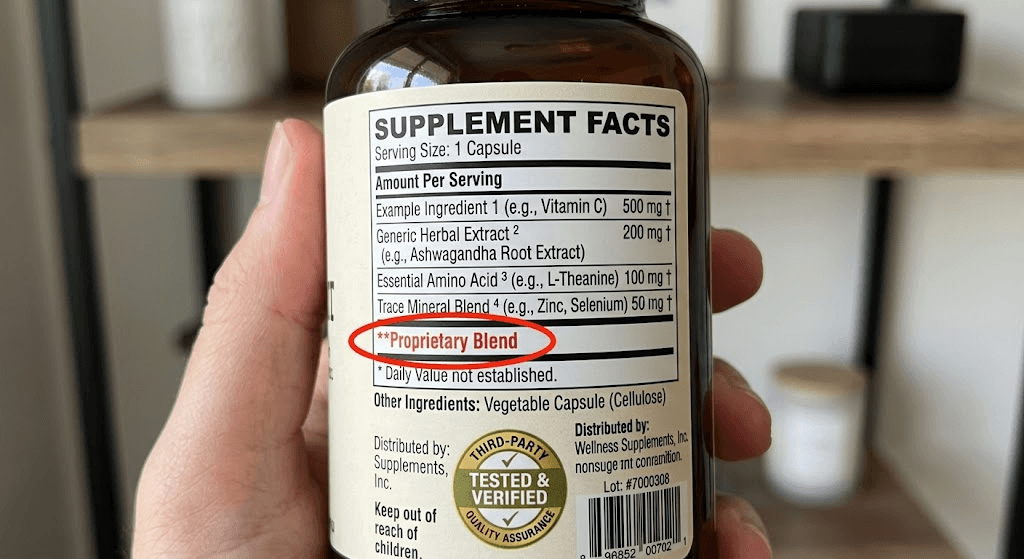
- Check for third-party testing: Look for seals from independent organizations like NSF International, USP, or Informed Choice. These indicate the product actually contains what the label claims and is free of harmful contaminants.
- Avoid proprietary blends: Choose products that clearly list the exact milligram amount of each active ingredient.
- Beware of exaggerated claims: Avoid any product that claims to be a “miracle cure” for vertigo, BPPV, or ringing in the ears.
- Review the inactive ingredients: Check for artificial dyes, fillers, or allergens.
Related Product Analyses
Supplements Diary has examined several popular products marketed for inner ear support and sensory health. To see a detailed breakdown of their ingredient profiles, manufacturing standards, and marketing claims, you can explore our in-depth reviews.
- Our Vertigenics review looks at the formula behind this sensory-support blend.
- You can read our Zencortex review to understand the research behind its specific herbal ingredients.
- Our Audifort review breaks down the nutritional claims made by the manufacturer.
For more information on how the auditory and vestibular systems work together, you can also browse our inner ear health guide.
Frequently Asked Questions
Can stress or anxiety cause dizziness?
Yes. Severe stress and anxiety can lead to hyperventilation (breathing too quickly), which alters the carbon dioxide levels in your blood and can cause lightheadedness or a dizzy feeling.
Will drinking water stop vertigo?
If your lightheadedness is caused by dehydration, drinking water will likely help. However, if you are experiencing true vertigo caused by an inner ear issue like BPPV, water will not stop the spinning sensation.
How long does a vertigo episode last?
It depends on the cause. Vertigo caused by BPPV typically occurs in brief episodes lasting less than a minute. Vertigo caused by Meniere’s disease or vestibular neuritis can last for several hours or even days.
Are over-the-counter motion sickness pills effective for vertigo?
Medications containing meclizine or dimenhydrinate are often used to suppress the vestibular system and reduce the nausea associated with vertigo. However, they only mask the symptoms and do not fix the underlying cause. Always check with a doctor before using them long-term.
Conclusion
Dizziness and vertigo are two distinct sensations that require different approaches. General dizziness is often linked to blood pressure, hydration, or medication, while vertigo points to a specific issue within the inner ear or vestibular nerve.
While some dietary supplements contain ingredients like Vitamin D or ginger that may support general wellness or ease mild nausea, there is no reliable human research showing that supplements can cure structural inner ear conditions like BPPV. If you are experiencing balance issues, your safest and most effective first step is always to speak with a healthcare professional to get an accurate diagnosis.
References
- National Institutes of Health (NIH) MedlinePlus – Dizziness and Vertigo – https://medlineplus.gov/dizzinessandvertigo.html
- National Center for Complementary and Integrative Health (NCCIH) – Ginkgo – https://www.nccih.nih.gov/health/ginkgo
- National Center for Complementary and Integrative Health (NCCIH) – Ginger – https://www.nccih.nih.gov/health/ginger
- Mayo Clinic – Benign paroxysmal positional vertigo (BPPV) Symptoms and causes – https://www.mayoclinic.org/diseases-conditions/vertigo/symptoms-causes/syc-20370055

Dr. Emma Myers is a medical student at UNC School of Medicine in Chapel Hill, with a focus on autoimmune dermatology. She grew up in Durham, North Carolina, and completed her undergraduate studies at the University of Virginia, majoring in Human Biology and Spanish. Emma has worked as a medical assistant in dermatology, gaining experience in cosmetic and medical dermatology. She leads advocacy groups for autoimmune skin disorders and is involved in research on autoimmune diseases, skin safety, and early diagnosis. Outside of medicine, she is a certified yoga sculpt instructor and enjoys outdoor activities with her dog.