
If you hear a persistent ringing, buzzing, or hissing sound that no one else can hear, you are not alone. Millions of adults experience this phenomenon, known medically as tinnitus. Dealing with this constant background noise can be frustrating, leading many people to search for natural remedies and dietary supplements that promise relief.
But what actually triggers this phantom noise, and is there any real science backing the supplements marketed for ear health?
In this guide, we will break down the common causes of tinnitus, look at the most frequent ingredients found in ear health formulas, and examine what current medical research actually says about their effectiveness. The goal is to provide you with the facts so you can make informed decisions about your auditory health.
Quick Answer
Tinnitus is often caused by inner ear cell damage from loud noise exposure, aging, or earwax blockage. While many dietary supplements claim to stop the ringing by improving blood flow or reducing inflammation, scientific evidence remains very limited. Currently, no supplement is clinically proven to cure tinnitus, though some ingredients like zinc or vitamin B12 may help individuals who have a confirmed nutritional deficiency.
What Is Tinnitus?
Tinnitus is the perception of sound in one or both ears when there is no external noise present. It is not a disease itself; rather, it is a symptom of an underlying condition. For some people, the sound is a minor, temporary annoyance. For others, it becomes a chronic, daily disruption that interferes with sleep, concentration, and overall quality of life.
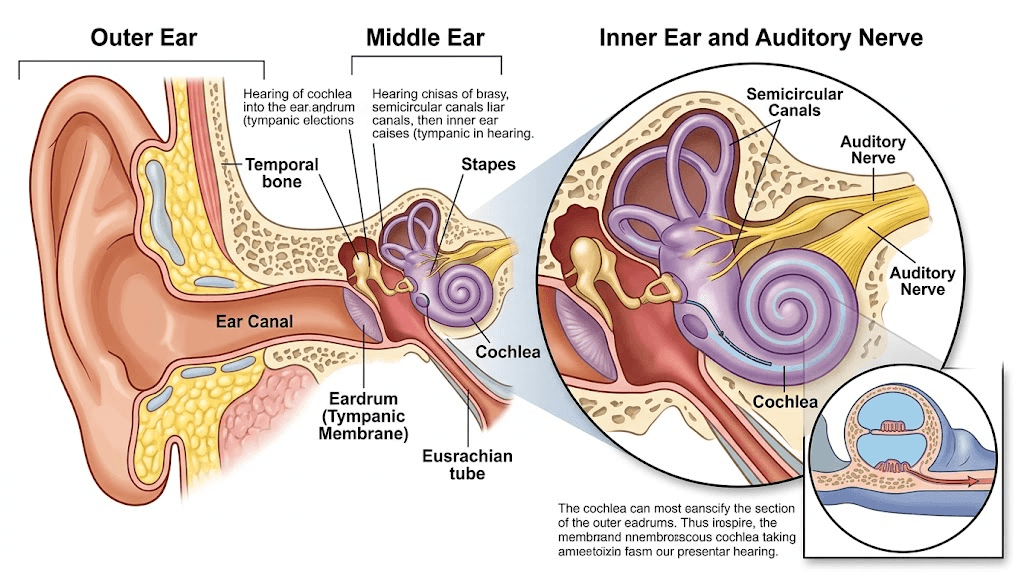
It is important to understand that tinnitus originates in the auditory system, which includes the ear, the auditory nerve that connects the inner ear to the brain, and the parts of the brain that process sound. When something disrupts this system, the brain sometimes compensates by creating its own internal noise.
Common Causes or Contributing Factors
Understanding the root cause of the ringing is the first step in managing it. Before trying any over-the-counter remedy, it helps to know what might be triggering the issue. Common causes include:
- Age-Related Hearing Loss (Presbycusis): As we age, the tiny sensory hair cells in the inner ear begin to deteriorate. When these cells are damaged, they can “leak” random electrical impulses to the brain, causing the perception of sound.
- Exposure to Loud Noise: Heavy equipment, chain saws, and firearms are common sources of noise-related hearing loss. Portable music devices played loudly for long periods can also cause damage over time.

- Earwax Blockage: Earwax protects your ear canal by trapping dirt and slowing the growth of bacteria. When too much earwax accumulates, it becomes too hard to wash away naturally, causing hearing loss or irritation of the eardrum, which can lead to tinnitus.
- Changes in Ear Bones: Stiffening of the bones in the middle ear (otosclerosis) can affect hearing and cause tinnitus. This condition often runs in families.
- Certain Medications: Tinnitus can be a side effect of numerous prescription and over-the-counter drugs. This includes certain antibiotics, cancer medications, water pills (diuretics), antimalarial drugs, and unusually high doses of aspirin.
Before assuming a supplement is the answer, it is always a good idea to consider whether learning more about hearing health basics and modifying your environment might provide relief.
Common Signs or Symptoms
While the primary symptom of tinnitus is the perception of sound without an external source, the specific noises can vary from person to person. People frequently describe hearing:
- Ringing
- Buzzing
- Roaring
- Clicking
- Hissing
- Humming
The pitch can range from a low roar to a high squeal, and you may hear it in one or both ears. In some cases, the sound can be so loud it interferes with your ability to concentrate or hear external sound.
How the Relevant Supplements Are Supposed to Work
The market is filled with dietary supplements aimed at ear health. Instead of claiming to act as direct treatments, these formulas generally suggest they support the body’s natural functions.
Manufacturers typically claim their products work in a few different ways:
- Improving Blood Circulation: Some ingredients are thought to widen blood vessels, increasing blood flow and oxygen to the inner ear and auditory nerve.
- Providing Antioxidant Support: Free radicals can cause cellular damage in the inner ear. Antioxidants are meant to protect these delicate cells from oxidative stress.
- Supporting Nerve Health: Ingredients targeting the nervous system are often included to help calm the auditory nerve signals traveling to the brain.
It is critical to remember that these are mechanisms proposed by manufacturers, and results have been mixed at best in clinical settings.
Common Ingredients
When looking at labels for ear health products, you will notice many of the same ingredients appearing repeatedly. Here is a look at what they are and why they are used.
Ginkgo Biloba
Ginkgo biloba is an herbal extract sourced from the leaves of the Ginkgo tree. It is widely used in traditional medicine for cognitive and circulatory issues.
- Why it’s included: It is believed to improve blood flow to the brain and inner ear while providing antioxidant protection.
- Evidence limitations: While some small studies suggest minor benefits for general ear health, large-scale medical reviews conclude that Ginkgo biloba does not effectively reduce tinnitus symptoms for most people.
Zinc
Zinc is an essential trace mineral involved in immune function and nerve signaling.
- Why it’s included: The inner ear contains high concentrations of zinc. Some researchers hypothesize that a zinc deficiency might contribute to hearing issues.
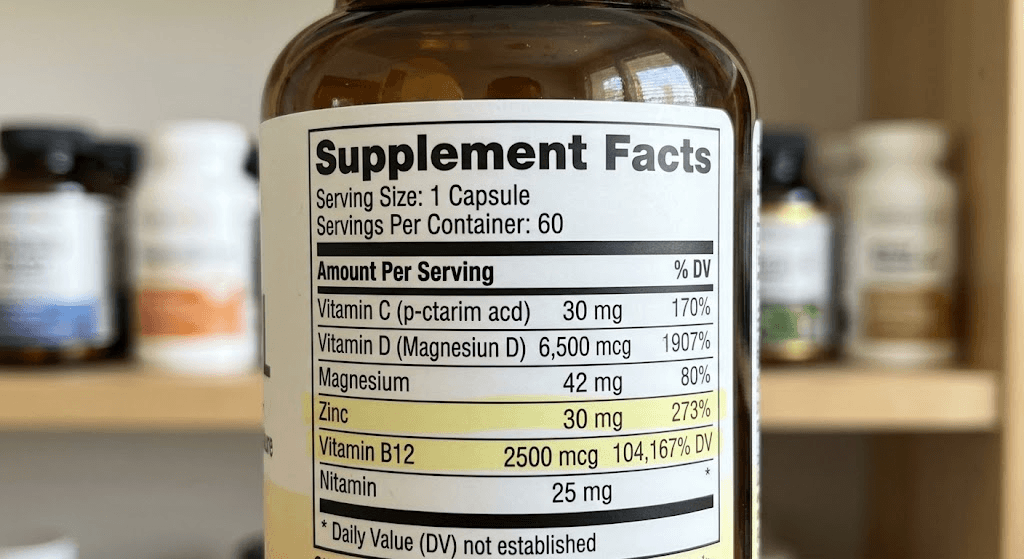
- Evidence limitations: Studies show that zinc supplementation may only help those who actually have a clinical zinc deficiency. For individuals with normal zinc levels, adding more does not seem to change tinnitus symptoms.
Vitamin B12
Vitamin B12 is crucial for nerve function and the production of red blood cells.
- Why it’s included: A deficiency in vitamin B12 can cause neurological issues, including changes in hearing.
- Evidence limitations: Similar to zinc, supplementing with B12 is primarily helpful if a blood test confirms you are deficient.
Magnesium
Magnesium is a mineral that plays a role in hundreds of bodily processes, including nerve function and blood pressure regulation.
- Why it’s included: Magnesium is thought to protect the nerves in the inner ear from glutamate toxicity, which is associated with noise-induced hearing damage.
- Evidence limitations: Some studies suggest it might help prevent hearing damage from loud noises if taken beforehand, but evidence that it stops existing ringing is currently insufficient.
What Does the Evidence Show?
When evaluating natural remedies, it is important to separate marketing claims from clinical reality.
Strong Evidence: Currently, there are no dietary supplements that have strong, conclusive evidence proving they can cure or stop tinnitus.
Mixed or Limited Evidence: Ingredients like Ginkgo biloba and zinc have mixed reviews. A few isolated studies show slight improvements in specific patient groups, but comprehensive Cochrane reviews (which analyze all available high-quality data) consistently find that these supplements perform no better than a placebo for the general population.
Insufficient Evidence: Many herbal blends rely on animal studies or laboratory test-tube data. Currently, there is no reliable human research to support many of the proprietary herbal blends marketed for ringing in the ears.
Risks and Side Effects
Even though supplements are sold over the counter and labeled as natural, they carry real risks and can interact with prescription medications.
- Bleeding Risks: Ingredients that improve circulation, such as Ginkgo biloba and high doses of vitamin E, can act as mild blood thinners. Mixing these with prescription anticoagulants (like warfarin) or daily aspirin can increase the risk of internal bleeding.
- Proprietary Blends: Many ear health supplements use “proprietary blends.” This means the label lists the ingredients but hides the exact amounts. This makes it impossible to know if you are getting a safe, effective dose or simply a trace amount.
- Toxicity: Fat-soluble vitamins and certain minerals (like zinc) can build up in the body and cause toxicity if taken in high doses for long periods.
For a deeper understanding of how to manage these risks, we highly recommend reading our general guide to supplement interactions.
Who Should Be Especially Careful?
Certain individuals face a higher risk of adverse reactions from dietary supplements and should exercise extra caution:
- People on Blood Thinners: As noted above, herbal supplements can interact dangerously with anticoagulants.
- Those Planning Surgery: Because of bleeding risks, most surgeons require patients to stop taking herbal supplements at least two weeks before a procedure.
- Pregnant or Nursing People: Many herbal ingredients have not been tested for safety during pregnancy.
- Older Adults: Older adults often take multiple prescription medications daily, increasing the likelihood of an unexpected drug-supplement interaction.
When to Speak With a Healthcare Professional
Tinnitus can sometimes be a warning sign of a more serious underlying medical issue. You should consult a doctor or an ear, nose, and throat (ENT) specialist before trying to treat it on your own.

Seek medical attention promptly if you experience:
- Tinnitus that comes on suddenly and without an obvious cause.
- Ringing accompanied by sudden hearing loss in one or both ears.
- Ringing accompanied by dizziness, vertigo, or balance issues.
- A sound that beats in time with your pulse (pulsatile tinnitus), which can indicate an underlying blood vessel problem.
How to Evaluate a Supplement in This Category
If you and your doctor decide that a supplement is worth trying, keep this checklist in mind to ensure you choose a quality product:
- Check the Claims: Avoid any product that claims to be a “cure” or “miracle breakthrough.” Legitimate supplements use language like “supports” or “may help maintain.”
- Look for Transparency: Choose products that list the exact dosage of every ingredient on the Supplement Facts panel rather than hiding behind a proprietary blend.
- Verify Third-Party Testing: Look for products that have been tested by independent organizations (like NSF International, USP, or ConsumerLab) to verify that what is on the label is actually in the bottle, free of heavy metals and contaminants.
- Watch the Cost: Be wary of high-pressure sales tactics or auto-ship programs that are difficult to cancel.
Related Product Analyses
Supplements Diary has also examined several popular products marketed in the ear and hearing support category. We evaluate their ingredient lists, marketing claims, and pricing to help you understand what they actually offer.
- Quietum Plus: This popular supplement features a blend of vitamins and botanical extracts designed to support general ear and brain health. You can read our analysis of Quietum Plus to see a full breakdown of its proprietary blend.
- Audifort: Audifort combines several antioxidants and minerals aimed at protecting against cellular damage. Check out our full Audifort review to see how its dosages compare to clinical studies.
- Zencortex: Unlike typical capsules, this product is delivered in a liquid drop format, which claims to increase absorption. Read our review of Zencortex for an objective look at its formula and overall value.
Frequently Asked Questions
Can vitamin deficiencies cause tinnitus?
Yes, in some cases. Deficiencies in vitamin B12 and zinc have been linked to auditory problems. However, taking these vitamins will generally only improve symptoms if a blood test confirms you were actually deficient in the first place.
Is tinnitus a sign of hearing loss?
Often, yes. Tinnitus is frequently one of the first signs of age-related or noise-induced hearing loss. As the ear struggles to hear external sounds, the brain sometimes fills the silence with ringing.
How long does it take for a supplement to work?
If a supplement is going to have any effect, most manufacturers suggest taking it consistently for at least 30 to 60 days. Always follow the manufacturer’s directions and stop use if you experience side effects.
Are natural ingredients safer than medication?
Not always. “Natural” does not automatically mean safe. Herbal extracts can interact with prescription medications and cause side effects. Always talk to your doctor before adding a new herbal supplement to your routine.
Conclusion
Tinnitus is a complex condition that can stem from various sources, ranging from simple earwax buildup to inner ear damage. While the supplement industry offers countless products promising to clear the ringing, the scientific evidence supporting these claims remains limited. Ingredients like zinc, magnesium, and Ginkgo biloba may offer mild support for certain individuals, but they are not reliable cures.
If you are struggling with ringing in your ears, the safest and most effective first step is to consult a medical professional. An audiologist or ENT can help identify the root cause of your symptoms and guide you toward therapies—such as sound masking devices, cognitive behavioral therapy, or targeted nutritional support—that are appropriate for your specific situation.
References
- National Institute on Deafness and Other Communication Disorders (NIDCD) – Tinnitus – https://www.nidcd.nih.gov/health/tinnitus
- Mayo Clinic – Tinnitus: Symptoms & Causes – https://www.mayoclinic.org/diseases-conditions/tinnitus/symptoms-causes/syc-20350156
- National Center for Complementary and Integrative Health (NCCIH) – Ginkgo – https://www.nccih.nih.gov/health/ginkgo
- Cochrane Database of Systematic Reviews – Ginkgo biloba for tinnitus – https://www.cochrane.org/CD003852/ENT_ginkgo-biloba-for-tinnitus
- American Tinnitus Association (ATA) – Understanding the Facts – https://www.ata.org/understanding-facts/

Dr. Emma Myers is a medical student at UNC School of Medicine in Chapel Hill, with a focus on autoimmune dermatology. She grew up in Durham, North Carolina, and completed her undergraduate studies at the University of Virginia, majoring in Human Biology and Spanish. Emma has worked as a medical assistant in dermatology, gaining experience in cosmetic and medical dermatology. She leads advocacy groups for autoimmune skin disorders and is involved in research on autoimmune diseases, skin safety, and early diagnosis. Outside of medicine, she is a certified yoga sculpt instructor and enjoys outdoor activities with her dog.