
When starting a weight management journey, it is incredibly common to look for extra help. Over-the-counter weight-loss supplements are widely available and heavily marketed, often promising quick results with natural ingredients. However, because these products contain active compounds that alter how your body functions, they can also cause unintended reactions.
Understanding the common side effects of weight-loss supplements can help you make safer, more informed decisions. This guide covers the physical symptoms you might experience, why certain popular ingredients cause these reactions, and when a symptom is a sign that you should stop taking a product immediately. Always remember that no supplement can replace the foundational roles of a balanced diet and regular physical activity, and safety should always be your top priority.
Quick Answer
Weight-loss supplements frequently cause side effects such as rapid heart rate, jitteriness, insomnia, nausea, and digestive distress. These reactions usually stem from high doses of stimulants like caffeine or from fiber extracts that alter digestion. Because the FDA does not test supplements for safety before they are sold, consumers should carefully review ingredients and consult a doctor before use.
What Are Weight-Loss Supplements?
Weight-loss supplements are over-the-counter products intended to help people lose weight or maintain a healthy weight. They come in many forms, including pills, capsules, powders, liquid drops, and gummies.
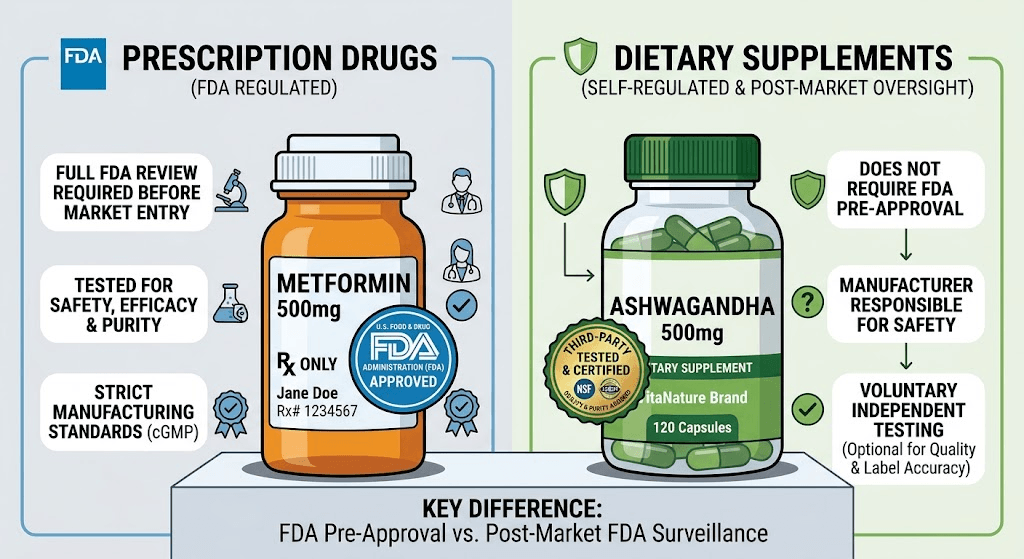
Unlike prescription weight-loss medications, dietary supplements are not classified as drugs by the U.S. Food and Drug Administration (FDA). This is a vital distinction. Prescription medications must undergo years of rigorous clinical trials to prove they are both safe and effective before they reach the market. Dietary supplements do not require FDA approval before they are sold. Manufacturers are responsible for ensuring their own products are safe, which means the quality and safety of these supplements can vary wildly from one brand to another.
Common Causes or Contributing Factors
When people experience negative reactions to dietary supplements, the root cause usually falls into one of these categories:
- Excessive Stimulants: Many formulas combine multiple sources of caffeine (such as green tea extract, guarana, and yerba mate). This can easily push a person well over the recommended daily caffeine limit.
- Medication Interactions: Active botanical ingredients can change how the body metabolizes prescription drugs, either making the drug less effective or increasing the risk of the drug’s side effects.
- Digestive Alteration: Some ingredients are designed to block fat absorption or physically expand in the stomach. While intended to help with weight loss, this physically disrupts normal digestion.
- Hidden Ingredients: In some cases, regulatory agencies have found weight-loss supplements tainted with unlisted, banned pharmaceutical drugs.
Common Signs or Symptoms
If you react poorly to a weight-loss supplement, the symptoms typically appear in the cardiovascular or digestive systems. Note that experiencing these symptoms means you should stop taking the product and evaluate your health; they are not normal signs that a product is “working.”
- Cardiovascular signs: Racing or pounding heart rate, increased blood pressure, or a feeling of a fluttering chest.
- Nervous system signs: Jitteriness, severe anxiety, headaches, dizziness, and difficulty falling or staying asleep (insomnia).
- Digestive signs: Nausea, stomach cramping, severe gas, diarrhea, or oily spotting (often associated with fat-blocking ingredients).
- Liver-related signs: While rare, severe cases of liver stress can cause dark urine, extreme fatigue, or a yellowing of the eyes and skin.
How the Relevant Supplements Are Supposed to Work
Manufacturers typically formulate their products to target weight loss through one of three primary mechanisms. However, it is important to remember that human clinical trials rarely prove these theories to be highly effective.
- Stimulating Metabolism: Products known as “thermogenics” aim to increase body heat and resting metabolic rate. You can learn more about this in our article on how metabolism boosters attempt to work. They often rely on nervous system stimulants to achieve this.
- Suppressing Appetite: Some supplements attempt to make you feel full faster or reduce food cravings. This is usually done through soluble fibers that absorb water in the stomach, or through compounds that allegedly influence hunger hormones.
- Blocking Absorption: A few ingredients aim to prevent the digestive tract from breaking down and absorbing dietary fat or carbohydrates, forcing the body to excrete those calories instead.
Common Ingredients and Their Side Effects
To understand the risks, you have to look closely at the supplement facts panel. Here is a breakdown of common ingredients and the side effects associated with them.
Caffeine and Other Stimulants (Guarana, Yerba Mate, Green Tea Extract)
Caffeine is the most common ingredient in weight-management formulas. Many supplements use concentrated forms like green tea extract or guarana (a South American plant naturally high in caffeine).
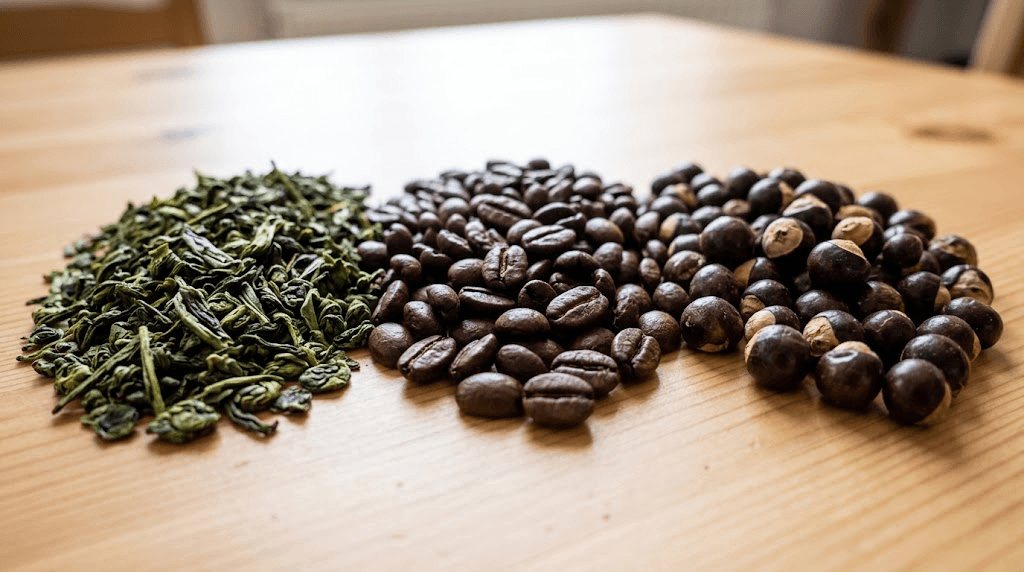
- What research suggests: Caffeine can slightly increase energy expenditure and fat oxidation in the short term.
- Safety concerns: High doses can cause jitteriness, elevated heart rate, high blood pressure, and insomnia. When taking these products, you must monitor your overall daily caffeine intake from coffee and tea to avoid accidental overdose.
Garcinia Cambogia
This tropical fruit extract contains hydroxycitric acid (HCA), which is heavily marketed as a fat-storage blocker.
- What research suggests: The National Institutes of Health (NIH) notes that Garcinia cambogia has little to no effect on actual weight loss in human trials.
- Safety concerns: Common side effects include headaches, nausea, and digestive symptoms. More concerning, the FDA has received reports of liver toxicity linked to multi-ingredient products containing Garcinia cambogia, though it is sometimes difficult to isolate which exact ingredient caused the damage.
Glucomannan
Glucomannan is a soluble dietary fiber extracted from the root of the konjac plant. It is used to create a feeling of fullness.
- What research suggests: Some studies show minor weight loss benefits because the fiber absorbs water and expands in the gut, reducing appetite.
- Safety concerns: If taken without enough water, glucomannan can swell before reaching the stomach, creating a severe choking hazard or causing blockages in the throat or intestines. It also frequently causes gas, bloating, and diarrhea.
Conjugated Linoleic Acid (CLA)
CLA is a type of fatty acid found naturally in dairy and beef, but supplements usually contain a chemically altered form derived from safflower oil.
- What research suggests: Evidence is mixed, with some studies showing very small amounts of fat loss over several months, while others show no benefit.
- Safety concerns: CLA commonly causes an upset stomach, diarrhea, and nausea. Long-term use of concentrated CLA has also been linked in some studies to an increased risk of insulin resistance, which can negatively impact blood-sugar control.
What Does the Evidence Show?
When reviewing the scientific literature on dietary supplements for weight management, the findings are usually separated by the quality of the evidence.
- Strong Evidence for Risks: There is well-documented, strong evidence regarding the side effects of high-dose stimulants and the gastrointestinal distress caused by fat-blockers and expansive fibers.
- Mixed Evidence for Effectiveness: Most popular ingredients have mixed results. A few isolated studies might show a benefit, but larger, better-designed human trials often fail to replicate those results.
- Insufficient Evidence for Long-Term Safety: Many modern supplements combine ten or more herbal extracts into a single pill. There is almost zero clinical research on how these massive combinations interact with each other in the human body over long periods.
Risks and Side Effects
Beyond the individual ingredients, the way dietary supplements are manufactured and sold introduces additional risks.
Medication Interactions
Natural does not mean inert. Herbal supplements can block or accelerate the enzymes in your liver that process prescription medications. For example, green tea extract can interact with blood thinners, and stimulant-heavy fat burners can dangerously multiply the effects of asthma or ADHD medications.
The Danger of Proprietary Blends
Many brands hide the exact amounts of their ingredients behind a “proprietary blend.” The label might list ten ingredients but only provide the total weight of the entire blend. This makes it impossible for you or your doctor to know if you are taking a safe amount of a specific stimulant or a useless, tiny amount of an expensive herb.
Adulteration and Tainted Products
The FDA maintains a public database of tainted weight-loss products. Some unscrupulous manufacturers have been caught secretly adding banned pharmaceutical drugs (like sibutramine, a heart-risk drug pulled from the market in 2010) to their “all-natural” dietary supplements to force them to work.
Who Should Be Especially Careful?
While everyone should approach these products with caution, certain groups face much higher risks of severe side effects:
- People with heart conditions: Anyone with high blood pressure, arrhythmias, or a history of heart disease should avoid stimulant-based products entirely.
- Pregnant or nursing people: The active compounds in these supplements can pass through the placenta or into breast milk.
- Individuals taking prescription medications: The risk of dangerous chemical interactions is very high.
- People with anxiety disorders: High doses of caffeine and other central nervous system stimulants can trigger severe anxiety attacks or worsen existing mental health conditions.
When to Speak With a Healthcare Professional
Always talk to your doctor before adding a new herbal supplement to your routine. However, if you are currently taking a product, stop immediately and seek medical care if you experience:
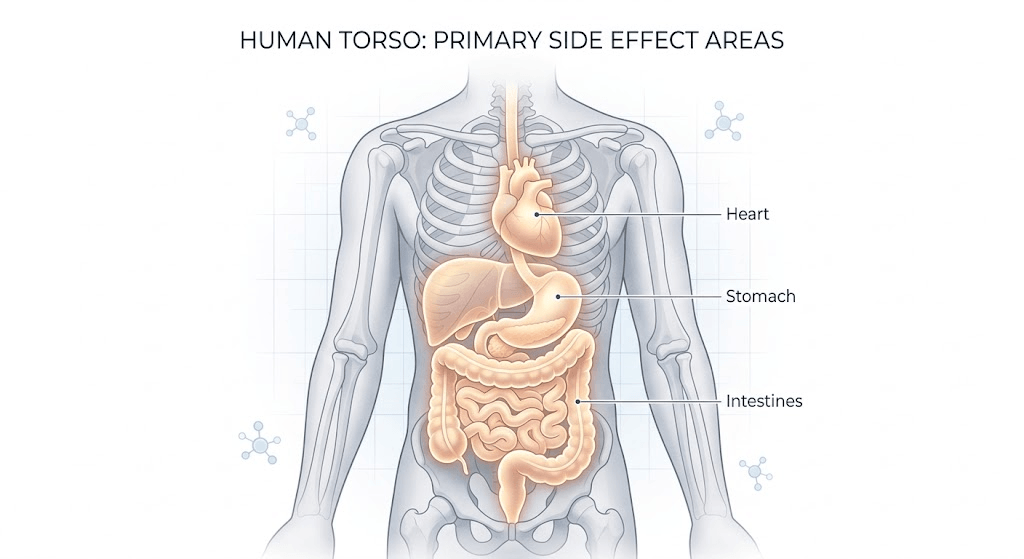
- Severe chest pain, shortness of breath, or a rapid heart rate that does not calm down.
- Severe dizzy spells, fainting, or extreme confusion.
- Signs of liver distress, which include dark, tea-colored urine, pale stools, severe abdominal pain, or a yellowing of your skin and eyes (jaundice).
How to Evaluate a Supplement in This Category
If you and your doctor decide a supplement is appropriate for your goals, use this checklist to evaluate the safety and quality of a product:
- Check for third-party testing: Look for seals from independent testing organizations like NSF International, USP (U.S. Pharmacopeia), or ConsumerLab. These labs verify that what is on the label is actually in the bottle without dangerous contaminants.
- Avoid proprietary blends: Choose brands that list the exact milligram amount of every single ingredient. You can read more about this in our guide to reading supplement labels.
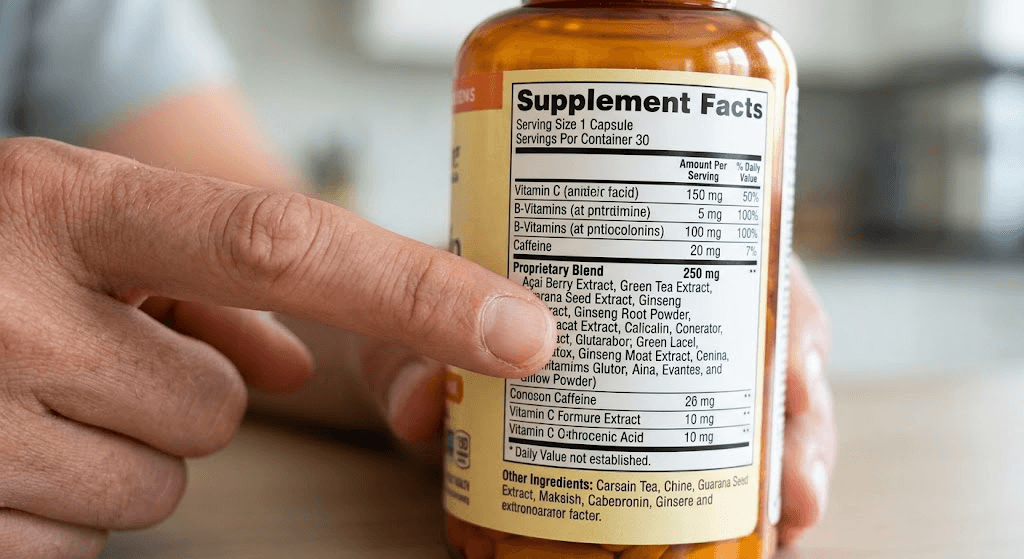
- Watch out for unrealistic claims: If a product claims you can lose 10 pounds in a week without diet or exercise, it is almost certainly a scam—and potentially a dangerous one.
- Review the caffeine total: Calculate the total stimulants per serving and compare it to your normal daily intake.
Related Product Analyses
Supplements Diary has also examined several products in the weight management category. When reading these reviews, pay close attention to the ingredient breakdowns and potential side effects discussed.
- To see an example of how we evaluate stimulant profiles and proprietary formulas, read our our LipoBliss review.
- For an analysis of supplements that claim to target water retention and thermogenesis, see our breakdown of the HydroLean XT Gold formula.
- If you are curious about alternative delivery methods like chewables and how they impact digestion, read our analysis of JellyThin.
- To understand how morning-routine supplements combine with your daily coffee, review our FitSpresso review.
- For a look into liquid formulas and absorption rate claims, read the AquaBurn review.
Frequently Asked Questions
Are natural weight-loss supplements safe?
“Natural” does not automatically mean safe. Many powerful stimulants and toxins occur naturally in plants. Natural supplements can still cause severe side effects, allergic reactions, and negative interactions with prescription medications.
Can weight-loss pills cause anxiety?
Yes. Supplements designed to boost energy or metabolism often contain high doses of caffeine or other central nervous system stimulants. These ingredients can trigger the body’s fight-or-flight response, leading to jitteriness, rapid heart rate, and heightened anxiety.
Why do fat burners make my stomach hurt?
Many fat burners contain ingredients that alter digestion. Some use high amounts of soluble fiber that expand in the stomach to make you feel full, which can cause bloating and cramping. Others contain compounds that can irritate the stomach lining or accelerate bowel movements.
How do I know if a supplement is FDA approved?
The FDA does not approve dietary supplements before they are sold to the public. If a supplement company claims their product is “FDA Approved,” they are marketing it illegally. The FDA only steps in to issue warnings or recalls after a product is on the market and has been proven unsafe.
Conclusion
Weight-loss supplements can seem like an appealing shortcut, but they carry real risks. The most common side effects—ranging from mild jitteriness and upset stomachs to severe cardiovascular and liver issues—are usually tied to high stimulant loads, digestive-blocking ingredients, and untested proprietary blends.
Because the supplement industry is not strictly regulated prior to products hitting the shelves, the responsibility falls on the consumer to be cautious. Always prioritize transparency, avoid extreme claims, and speak with a healthcare professional before introducing any new supplement into your body. Safe, sustainable weight management relies on healthy lifestyle changes, not a magic pill.
References
- National Institutes of Health (NIH) Office of Dietary Supplements – Dietary Supplements for Weight Loss Fact Sheet – https://ods.od.nih.gov/factsheets/WeightLoss-HealthProfessional/
- U.S. Food and Drug Administration (FDA) – Tainted Weight Loss Products – https://www.fda.gov/drugs/medication-health-fraud/tainted-weight-loss-products
- National Center for Complementary and Integrative Health (NCCIH) – Weight Control and Dietary Supplements – https://www.nccih.nih.gov/health/weight-control
- MedlinePlus – Dietary supplements for weight loss – https://medlineplus.gov/ency/patientinstructions/000346.htm

Dr. Emma Myers is a medical student at UNC School of Medicine in Chapel Hill, with a focus on autoimmune dermatology. She grew up in Durham, North Carolina, and completed her undergraduate studies at the University of Virginia, majoring in Human Biology and Spanish. Emma has worked as a medical assistant in dermatology, gaining experience in cosmetic and medical dermatology. She leads advocacy groups for autoimmune skin disorders and is involved in research on autoimmune diseases, skin safety, and early diagnosis. Outside of medicine, she is a certified yoga sculpt instructor and enjoys outdoor activities with her dog.