
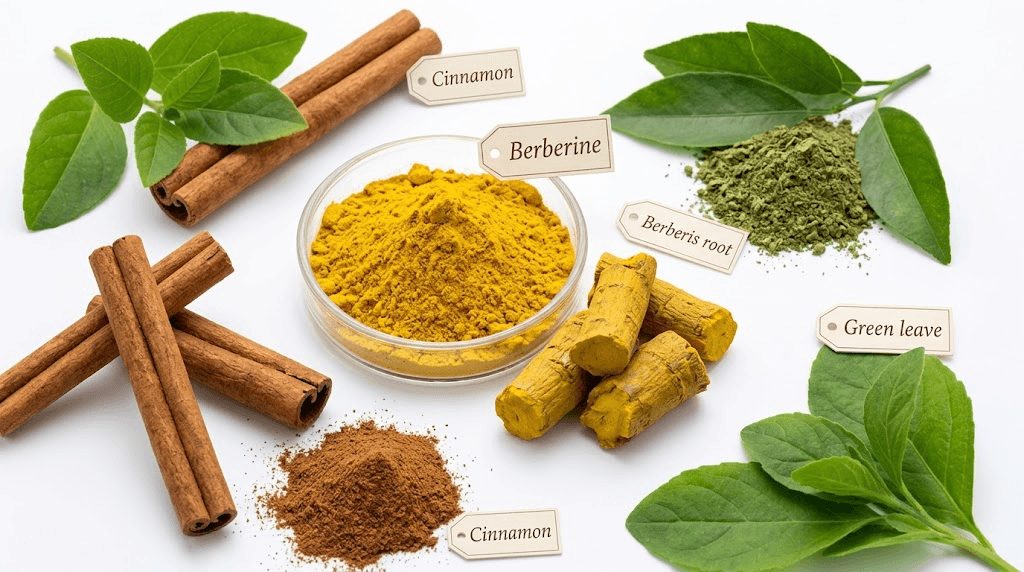
Walking down the supplement aisle or browsing online can be overwhelming. You will likely see dozens of bottles promising to support healthy blood sugar and boost your metabolism. With so many different herbs, vitamins, and minerals on the market, it can be difficult to know what blood sugar supplement ingredients actually works.
Many of these products rely on a handful of common botanical extracts and trace minerals. While some of these ingredients have been studied by researchers for years, others have very little human evidence behind them. This article explains the most popular ingredients found in blood sugar support supplements, how they are thought to work in the body, and what the current scientific research actually shows.
Quick Answer
Blood sugar supplements typically use ingredients like berberine, chromium, cinnamon, and alpha-lipoic acid. While some of these ingredients, like berberine, have shown promise in clinical studies for supporting glucose metabolism, supplements cannot cure or treat diabetes. The scientific evidence is mixed, and some ingredients can interact dangerously with prescription medications. Always speak with a doctor before taking a new supplement.
What Is Blood Sugar and Metabolism?
When we talk about “blood sugar,” we are referring to the amount of glucose floating in your bloodstream. Glucose is a type of sugar that comes from the carbohydrates in the food you eat. It is your body’s primary source of energy.
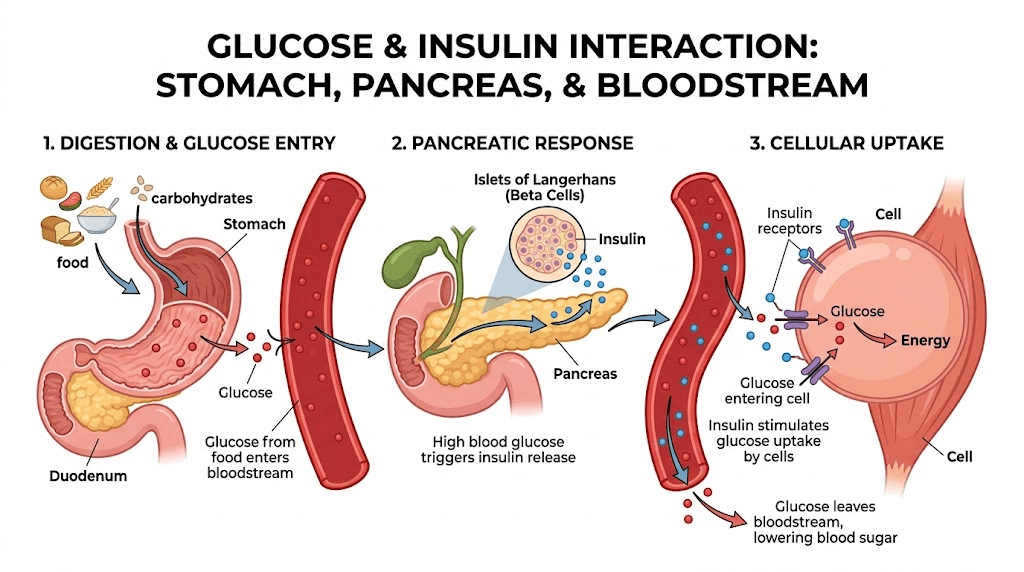
“Metabolism” refers to the chemical processes that happen in your body to convert that food into energy. A major part of this process involves a hormone called insulin. When you eat, your blood sugar levels rise. Your pancreas then releases insulin, which acts like a key to open your cells, allowing glucose to enter and be used for energy. If this process stops working efficiently, glucose can build up in the blood.
Common Causes or Contributing Factors
Several lifestyle and environmental factors can influence how your body manages glucose on a daily basis. Note that these are general lifestyle factors, not medical diagnoses.
- Dietary choices: Consuming high amounts of processed carbohydrates and sugary beverages can cause rapid spikes in blood glucose.
- Lack of physical activity: Muscles use a significant amount of glucose during exercise. A sedentary lifestyle can make it harder for the body to manage sugar levels.
- Poor sleep: Lack of restful sleep can interfere with the hormones that help regulate glucose.
- Chronic stress: When you are stressed, your body releases cortisol, a hormone that naturally raises blood sugar to give you quick energy to handle a threat.
- Weight variations: Carrying excess body fat, particularly around the midsection, can make cells less responsive to insulin.
Common Signs or Symptoms
When blood sugar is out of balance, the body often sends warning signals. Experiencing these signs does not automatically mean you have a medical condition, as they can sometimes occur from simple dehydration or fatigue. However, common signs include:
- Feeling unusually thirsty or having a dry mouth
- Needing to urinate frequently, especially at night
- Experiencing extreme fatigue or sluggishness after meals
- Having increased hunger, even shortly after eating
- Experiencing unexpected brain fog or difficulty concentrating
Note: Symptoms alone cannot confirm a diagnosis. A blood test administered by a healthcare professional is the only way to accurately measure your levels.
How the Relevant Supplements Are Supposed to Work
Manufacturers of metabolism and glucose support formulas claim their products help the body process food more efficiently. These supplements are not designed to replace insulin or prescription medications. Instead, they rely on botanical extracts and minerals that are theorized to work in a few specific ways:
- Supporting cellular response: Some ingredients are thought to make cells more sensitive to the insulin your body naturally produces.
- Slowing carbohydrate digestion: Certain plant fibers and extracts may slow down the speed at which your digestive tract breaks down starches, leading to a more gradual release of sugar into the blood.
- Providing antioxidant support: High blood glucose can cause oxidative stress in the body. Some ingredients act as antioxidants, which may help protect cells from this specific type of stress.
Common Ingredients
If you look at the back of a supplement bottle, you will likely see a combination of the following ingredients. Here is what they are, why they are included, and what the current research says about them.
Berberine
Berberine is a bitter, yellow chemical compound extracted from several different plants, including goldenseal and barberry.
- Why it’s included: It is one of the most widely studied botanical compounds for metabolic health. It is thought to activate an enzyme inside cells called AMPK, which plays a major role in regulating metabolism.
- The evidence: Research suggests berberine may support healthy glucose metabolism. Several clinical trials have noted its potential benefits, though researchers stress that long-term human studies are still needed.
- Safety and interactions: Berberine is known to cause mild stomach upset, cramping, or diarrhea in some people. More importantly, it can interact with a wide variety of medications by altering how the liver processes drugs.
Chromium
Chromium is an essential trace mineral found in small amounts in foods like broccoli, meat, and whole grains. It is often sold as chromium picolinate.
- Why it’s included: The body needs small amounts of chromium to properly metabolize carbohydrates and fats. It is believed to help the insulin receptor on cells work more efficiently.
- The evidence: The research on chromium is highly mixed. Some studies show a slight benefit in supporting healthy glucose levels, while many other studies show absolutely no difference compared to a placebo.
- Safety and interactions: Chromium is generally considered safe at standard dietary doses. However, taking high doses over a long period has been linked to potential kidney or liver stress.
Cinnamon Extract
Cinnamon is a common household spice. Supplement makers usually extract specific compounds from the bark for use in capsules.
- Why it’s included: Cinnamon contains compounds that are theorized to mimic insulin and slow the breakdown of carbohydrates in the digestive tract.
- The evidence: Like chromium, cinnamon has highly mixed results. While some small studies show it may support fasting glucose levels, larger systemic reviews have concluded there is insufficient evidence to recommend it as a reliable metabolic support agent.
- Safety and interactions: There are two main types of cinnamon: Cassia and Ceylon. Cassia cinnamon (the most common and cheapest) contains coumarin, a compound that can cause liver damage if taken in high doses for an extended time.
Alpha-Lipoic Acid (ALA)
Alpha-lipoic acid is an antioxidant naturally produced in small amounts by the body and found in foods like spinach, broccoli, and organ meats.
- Why it’s included: ALA is included primarily for its strong antioxidant properties. It is thought to help protect nerve cells from the stress associated with poor glucose metabolism.
- The evidence: ALA has a moderate amount of human evidence behind it. Studies, particularly in Europe, have investigated its ability to support nerve health in individuals with metabolic challenges.
- Safety and interactions: ALA is generally well tolerated but can cause stomach upset or a mild skin rash in some people. It may lower blood sugar, meaning it could compound the effects of other glucose-lowering medications.
Gymnema Sylvestre
This is a climbing shrub native to the tropical forests of India, Africa, and Australia. In traditional Ayurvedic practices, it is sometimes referred to as the “sugar destroyer.”
- Why it’s included: The leaves contain gymnemic acid, which can temporarily suppress the ability to taste sweetness. It is also theorized to reduce sugar absorption in the intestines.
- The evidence: Currently, there is limited high-quality human research. While some small studies suggest it may support healthy glucose levels, larger and more rigorous human trials are needed before any firm conclusions can be drawn.
- Safety and interactions: Because it may actively influence glucose absorption, it presents a risk of hypoglycemia (low blood sugar) if taken alongside prescription diabetes medications.
What Does the Evidence Show?
When reading about supplements, it is important to understand the difference between levels of evidence. An ingredient tested in a petri dish or on mice does not mean it will work the same way in a human body.
- Stronger Evidence: Ingredients like berberine and alpha-lipoic acid have a larger body of human clinical trials backing their potential metabolic benefits. However, they are still not medical treatments.
- Mixed Evidence: Ingredients like chromium and cinnamon have been studied extensively, but the results contradict each other. For every study showing a benefit, there is often another showing no effect.
- Limited/Insufficient Evidence: Many herbal extracts found in complex supplement blends only have animal or test-tube studies behind them. Currently, there is no reliable human research to support these lesser-known ingredients for blood glucose management.
Risks and Side Effects
Natural does not always mean safe. Plant extracts contain active chemical compounds that can alter how your body functions.
- Hypoglycemia Risk: The most significant risk of taking a blood sugar supplement is that it might actually work too well when combined with prescription medications like metformin or insulin. This can lead to hypoglycemia (dangerously low blood sugar), which can cause dizziness, fainting, or worse.
- Organ Strain: Processing high doses of herbal extracts requires the liver and kidneys to work harder.
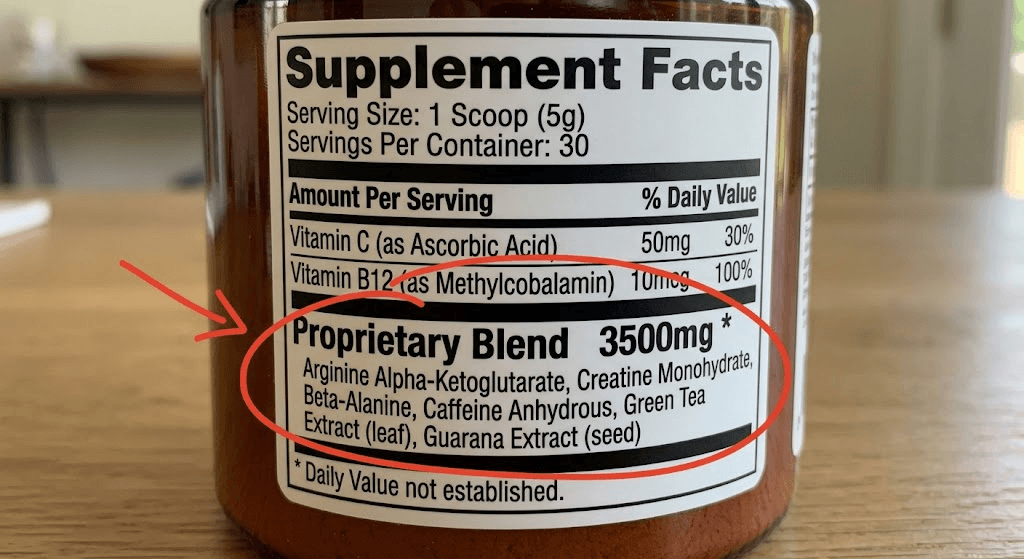
- Proprietary Blends: Many products use “proprietary blends.” This means the label lists the ingredients, but not the exact amount of each herb. This makes it impossible to know if you are taking a safe dose or a dose large enough to have any effect at all.
- Adulteration: Because the FDA does not approve dietary supplements before they go to market, poorly manufactured products may contain hidden prescription drugs, heavy metals, or incorrect amounts of the advertised ingredients.
Who Should Be Especially Careful?
Certain groups of people should avoid metabolism supplements unless specifically directed by their primary care doctor:
- People on medication: Anyone taking insulin or oral glucose-lowering drugs.
- Pregnant or nursing individuals: Many botanical extracts have not been tested for safety during pregnancy and can cross the placenta or enter breast milk.
- Children and teenagers: Developing bodies process herbs differently than adults.
- Older adults: Age can alter how the liver and kidneys clear substances from the body, increasing the risk of adverse reactions.
- Those with upcoming surgeries: Many herbal supplements can interfere with anesthesia or increase bleeding risks and must be stopped weeks before surgery.
When to Speak With a Healthcare Professional
You should never attempt to manage serious metabolic symptoms with dietary supplements alone. Make an appointment with a healthcare professional if you experience any of the following urgent warning signs:
- Frequent episodes of blurred or cloudy vision
- Unquenchable thirst despite drinking plenty of water
- Numbness, tingling, or a burning sensation in your hands or feet
- Unexplained and rapid weight loss
- Cuts, blisters, or bruises that are slow to heal
How to Evaluate a Supplement in This Category
If you and your doctor decide a supplement is safe for you to try, use this checklist to evaluate your options:
- Look for single ingredients: It is easier to monitor how your body reacts to a single ingredient (like plain alpha-lipoic acid) rather than a complex blend of 15 different herbs.
- Avoid proprietary blends: Choose brands that clearly list the exact milligram amount of every single ingredient on the label.
- Check for third-party testing: Look for seals from independent testing organizations like NSF International, USP, or ConsumerLab. This verifies that the bottle actually contains what the label claims.
- Beware of exaggerated claims: If a product claims it can “cure,” “reverse,” or “fix” your blood sugar instantly, it is a red flag. Legitimate supplements use cautious language like “may support” or “promotes.”
Related Product Analyses
Supplements Diary has also examined several products in this category to see how their ingredient labels hold up to their marketing claims. We review the formulas, check for transparency, and evaluate the specific blends used by the manufacturers.
If you are researching specific brands, you can read our detailed breakdown of the Gluco24 formula, which examines a popular daily support blend. We have also analyzed the ingredient claims behind the Gluco6 supplement and reviewed the capsule-based InsuPure formula.
For those looking into liquid alternatives, our team has reviewed the Sugar Defender liquid drops to see how a liquid delivery method compares. Finally, you can read our objective breakdown of Glucotonic to understand what the evidence says about its specific botanical lineup.
Frequently Asked Questions
Do blood sugar supplements work instantly?
No. Dietary supplements do not act quickly like prescription insulin. Ingredients that may support metabolic health often require weeks or months of consistent use alongside a healthy diet to show any measurable, subtle effects on the body.
Can I stop taking my medication if I take a supplement?
Absolutely not. Dietary supplements are not a replacement for medical treatments. Stopping prescription medication can lead to severe health emergencies. Always consult your prescribing doctor before making any changes to your medication routine.
Are liquid supplements better than capsules?
There is very little reliable evidence proving that liquid metabolism supplements are more effective than capsules. While liquids may absorb slightly faster in the stomach, the actual effect on the body’s glucose management depends entirely on the active ingredients and their dosages, not just the delivery method.
Is it safe to take multiple blood sugar supplements at once?
Taking multiple supplements (stacking) is highly risky. Many formulas share common ingredients like chromium or cinnamon. Taking more than one product can easily cause you to accidentally consume toxic levels of certain trace minerals or herbal extracts, heavily straining your liver.
Conclusion
Understanding what goes into your body is the first step toward better metabolic health. While ingredients like berberine and alpha-lipoic acid have some promising scientific research behind them, the evidence for many other common supplement ingredients remains highly mixed or limited.
Remember that no capsule or liquid drop can replace the foundations of good health: a balanced diet, regular physical activity, and proper sleep. Furthermore, because these active plant compounds can interact dangerously with prescription medications, you should always have an open and honest conversation with your healthcare provider before adding a new supplement to your daily routine.
References
- National Institutes of Health (NIH) Office of Dietary Supplements – Dietary Supplements for Type 2 Diabetes – https://ods.od.nih.gov/factsheets/Diabetes-HealthProfessional/
- National Center for Complementary and Integrative Health (NCCIH) – Diabetes and Dietary Supplements – https://www.nccih.nih.gov/health/diabetes-and-dietary-supplements
- Food and Drug Administration (FDA) – Dietary Supplements – https://www.fda.gov/food/dietary-supplements
- MedlinePlus – Blood Sugar – https://medlineplus.gov/bloodsugar.html

Dr. Emma Myers is a medical student at UNC School of Medicine in Chapel Hill, with a focus on autoimmune dermatology. She grew up in Durham, North Carolina, and completed her undergraduate studies at the University of Virginia, majoring in Human Biology and Spanish. Emma has worked as a medical assistant in dermatology, gaining experience in cosmetic and medical dermatology. She leads advocacy groups for autoimmune skin disorders and is involved in research on autoimmune diseases, skin safety, and early diagnosis. Outside of medicine, she is a certified yoga sculpt instructor and enjoys outdoor activities with her dog.