
If you have ever looked into weight loss products, you have likely seen advertisements for “detox teas” promising rapid results, a flatter stomach, and increased energy. These products often feature dramatic before-and-after photos, leading many people to wonder if a simple tea can actually melt away body fat.
Understanding how these teas interact with your body is important for setting realistic expectations and protecting your health. While some ingredients in tea may have a mild effect on metabolism, the rapid scale changes most people experience are not what they seem.
This article explores the difference between losing body fat and losing water weight. We will look at the common ingredients found in detox teas, what current scientific evidence says about their effectiveness, and the potential side effects you should know about before brewing a cup.
Quick Answer
Most weight lost from detox teas is temporary water weight and bowel waste, not actual body fat. These teas frequently contain laxatives and diuretics that increase bathroom visits, which can make your stomach look temporarily flatter. While some ingredients like green tea may mildly support metabolism, detox teas do not magically burn significant amounts of fat.
What Are Detox Teas?
Detox teas, sometimes sold as “teatoxes” or slimming teas, are herbal beverage blends marketed to help the body eliminate toxins, reduce bloating, and promote weight loss.
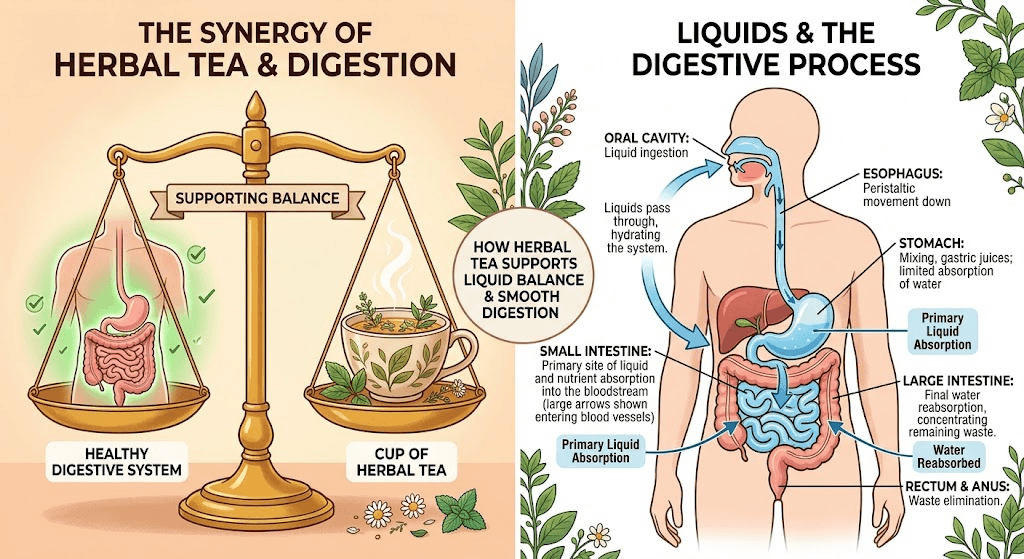
Medically speaking, the human body already has a highly effective, built-in detoxification system. The liver, kidneys, digestive tract, lungs, and skin work around the clock to filter and remove waste. Detox teas do not enhance this natural organ function. Instead, they typically rely on specific herbs that stimulate the digestive tract (causing bowel movements) or the kidneys (increasing urine production).
Common Causes of Temporary Water Retention
To understand why detox teas seem to work so quickly, it helps to understand why the body holds onto water in the first place. Fluid fluctuation is a normal part of human biology. Common reasons for temporary water retention include:
- High sodium intake: Eating salty foods causes the body to hold onto extra water to maintain proper blood chemistry.
- Carbohydrate storage: The body stores carbohydrates in the muscles and liver as glycogen. Every gram of glycogen holds onto roughly three grams of water.
- Hormonal fluctuations: Menstrual cycles can cause temporary bloating and fluid retention.
- Dehydration: Ironically, not drinking enough water can cause the body to conserve the fluids it has, leading to a puffy feeling.
- Sedentary behavior: Sitting or standing for long periods can cause fluid to pool in the lower legs and abdomen.
Detox teas often target this stored fluid, flushing it out to create the illusion of rapid fat loss.
Signs of Water Weight vs. Fat Loss
It can be difficult to tell whether the number dropping on the scale represents fat or fluid. Here are a few ways to spot the difference:
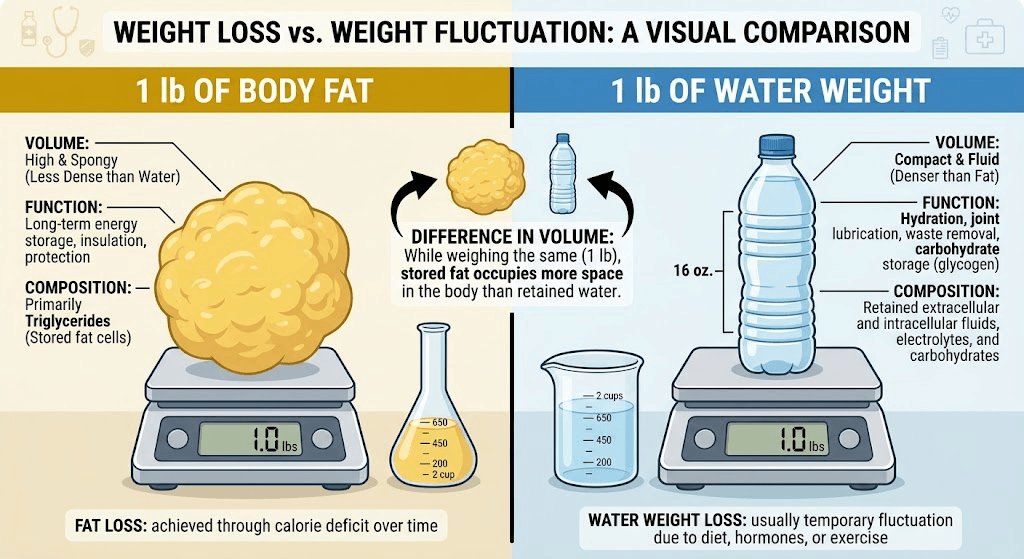
- Speed of loss: If you lose three to five pounds in a single weekend, you are almost certainly losing water weight and digestive waste. Safe, sustainable fat loss typically happens at a rate of one to two pounds per week.
- Location of loss: Water weight fluctuations often change how your clothes fit overnight, particularly around the stomach or fingers. Fat loss is a slow, gradual reduction across the entire body.
- Rebound weight: If the weight returns immediately after you eat a normal meal or drink a few glasses of water, it was fluid, not fat.
How the Relevant Supplements Are Supposed to Work
Makers of detox teas claim their products support weight management through a few different pathways.
First, they suggest the teas “cleanse” the digestive tract, removing built-up waste. Second, they often claim to reduce bloating by flushing out excess water. Finally, some brands state that their blends boost the metabolism and encourage the body to use stored fat for energy.
While hydration and mild metabolic support can be part of a healthy lifestyle, the reality of how these teas achieve their rapid results is usually much less glamorous. The primary mechanism is usually increased excretion—meaning you will use the bathroom much more frequently.
Common Ingredients
Understanding what is inside a detox tea is the best way to understand how it affects your body. Here are the most common ingredients found in these blends:
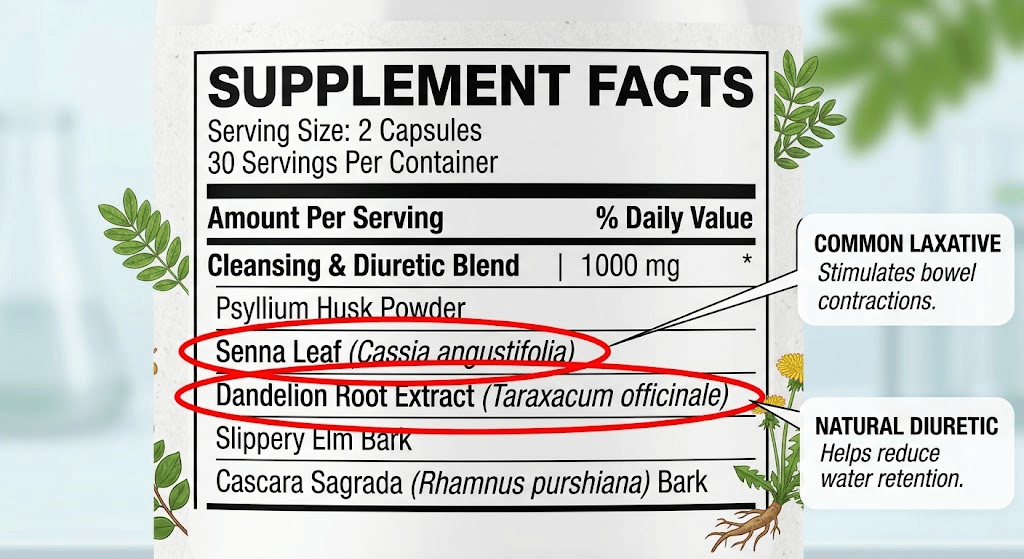
- Senna (Cassia angustifolia): This is an FDA-approved nonprescription laxative used to treat constipation or clear the bowels before medical procedures. It works by irritating the lining of the bowels to stimulate contractions. It is not meant for long-term use or weight loss.
- Dandelion Leaf (Taraxacum officinale): Dandelion acts as a natural diuretic. It signals the kidneys to increase urine output, which temporarily reduces water weight and bloating.
- Green Tea Extract: Green tea contains caffeine and a compound called EGCG (epigallocatechin gallate). These compounds have been studied for their potential to mildly support fat oxidation and metabolic rate.
- Garcinia Cambogia: Sometimes added to weight management teas, this tropical fruit extract contains hydroxycitric acid (HCA). It is often marketed as an appetite suppressant, though human studies show highly mixed and generally weak results.
- Guarana or Yerba Mate: These are natural sources of caffeine, included to boost energy levels and provide a mild diuretic effect.
What Does the Evidence Show?
When evaluating detox teas, it is helpful to look at what peer-reviewed research says about their individual claims.
- On Fat Burning: The evidence for fat burning is mostly limited to ingredients like green tea. According to the National Institutes of Health (NIH) Office of Dietary Supplements, green tea extract may help with a very small amount of weight loss, but the results are rarely clinically significant. There is no reliable human research to support the idea that herbal detox blends actively melt away existing body fat.
- On Detoxification: A review published in the Journal of Human Nutrition and Dietetics found no compelling clinical evidence to support the use of “detox” diets or teas for eliminating toxins from the body.
- On Laxative Weight Loss: Using stimulant laxatives like senna for weight loss is universally discouraged by medical professionals. The weight lost is entirely from water, electrolytes, and stool. Laxatives do not prevent the body from absorbing calories, because the calories from food are already absorbed in the small intestine before the laxative takes effect in the colon.
Risks and Side Effects
Because they are sold over the counter, many people assume detox teas are completely safe. However, the aggressive use of herbal diuretics and laxatives carries notable risks:
- Dehydration and Electrolyte Imbalance: Frequent urination and bowel movements strip the body of water and essential minerals like potassium and sodium. Low potassium (hypokalemia) can cause muscle cramps, weakness, and in severe cases, dangerous heart arrhythmias.
- Laxative Dependency: Regular use of stimulant laxatives like senna can cause the bowels to lose their natural ability to contract. Over time, the body may become dependent on the tea just to have a normal bowel movement.
- Gastrointestinal Distress: Cramping, severe diarrhea, stomach pain, and nausea are highly common when consuming these blends.
- Interactions with Medications: Diuretics and laxatives can change how the body absorbs prescription medications. For example, severe diarrhea can reduce the effectiveness of oral birth control pills.
- Proprietary Blends: Many teas use “proprietary blends,” meaning they list the ingredients but not the exact amounts. This makes it impossible to know if you are consuming a safe dose of a specific herb.
Who Should Be Especially Careful?
Certain individuals should avoid detox teas entirely unless explicitly directed by a doctor:
- Pregnant and nursing people: Many herbs in detox teas have not been proven safe during pregnancy and could stimulate uterine contractions or pass to the baby.
- Individuals with eating disorders: Detox teas are frequently misused by individuals struggling with disordered eating as a form of purging.
- People with digestive conditions: Those with Irritable Bowel Syndrome (IBS), Crohn’s disease, or ulcerative colitis can experience severe symptom flare-ups from laxative teas.
- People taking heart or blood pressure medications: Diuretics can interact dangerously with these prescriptions by altering potassium levels.
When to Speak With a Healthcare Professional
Always talk to your doctor before adding a new herbal supplement to your routine, especially if you take daily medications. You should seek prompt medical attention if you experience any of the following while using a detox tea:
- Severe abdominal pain or cramping that does not go away
- Dizziness, fainting, or extreme weakness
- An irregular or racing heartbeat
- Inability to have a bowel movement after stopping the tea
- Signs of severe dehydration, such as dark urine or extreme thirst
How to Evaluate a Supplement in This Category
If you are looking for a tea to support your overall wellness, rather than a quick fix, keep these evaluation tips in mind:
- Check for laxatives: Read the ingredient label closely. If you see senna, cascara sagrada, or rhubarb root, the product is a laxative, not a fat burner.
- Watch for extreme claims: Avoid products that promise you will lose a specific amount of weight in a few days.
- Look for third-party testing: Choose brands that have their products tested by independent organizations to verify that what is on the label is actually in the box.
- Review safety resources: Check resources like our guide to supplement interactions to ensure the herbs do not conflict with your lifestyle or medications.
Related Product Analyses
Supplements Diary has also examined several products in the weight management space to help readers understand their ingredients and claims.
For a closer look at a product specifically marketed in this category, you can read our SlimMe Detox Tea review.
If you are interested in coffee-based alternatives that aim to support metabolism without laxatives, see our analysis of FitSpresso.
For those looking into different delivery methods, such as chewable supplements, we have broken down the formula in our JellyThin review.
Finally, if you are exploring broader metabolic support supplements, you may find our evaluation of MannaFlux helpful.
Frequently Asked Questions
Do detox teas help you lose belly fat?
No. Detox teas do not target or burn belly fat. They may temporarily reduce abdominal bloating by clearing waste from the digestive tract and shedding water weight, which can make the stomach look flatter for a short time.
Is it safe to drink detox tea every day?
It depends on the ingredients. A simple green or peppermint tea is generally safe for daily consumption. However, detox teas containing laxatives like senna should not be consumed daily, as long-term use can lead to dependency and dehydration.
Can detox teas affect my metabolism?
Teas containing caffeine and green tea extract may offer a very slight, temporary increase in metabolic rate. However, this effect is minimal and is not enough to cause significant weight loss on its own without dietary changes and exercise.
Why do I gain the weight back after stopping the tea?
Because the weight lost was primarily fluid and stool, not fat. Once you stop drinking the tea, rehydrate, and resume eating normally, your body naturally replenishes its fluid stores and digestive contents, causing the scale to return to its previous number.
Do detox teas actually clean out toxins?
There is no clinical evidence that detox teas remove toxins from the body. Your liver and kidneys naturally filter and eliminate toxins through urine, sweat, and feces. Teas simply force your body to expel water and waste faster than usual.
Conclusion
When evaluating whether detox teas burn fat or only reduce water weight, the science heavily points to the latter. The rapid drop on the scale is almost always the result of fluid loss and bowel clearance driven by diuretic and laxative ingredients.
While green tea and caffeine can be part of a balanced lifestyle, relying on harsh herbal laxatives for weight management is ineffective for actual fat loss and can pose real risks to your digestion and hydration levels. Sustainable weight management relies on consistent nutritional habits and physical activity, rather than short-term liquid cleanses. Always speak with a healthcare provider before starting any new supplement or detox regimen to ensure it is safe for your individual health needs.
References
- National Institutes of Health (NIH) Office of Dietary Supplements – Dietary Supplements for Weight Loss – https://ods.od.nih.gov/factsheets/WeightLoss-HealthProfessional/
- National Center for Complementary and Integrative Health (NCCIH) – “Detoxes” and “Cleanses”: What You Need To Know – https://www.nccih.nih.gov/health/detoxes-and-cleanses-what-you-need-to-know
- U.S. Food and Drug Administration (FDA) – Beware of Products Promising Miracle Weight Loss – https://www.fda.gov/consumers/consumer-updates/beware-products-promising-miracle-weight-loss
- MedlinePlus – Senna – https://medlineplus.gov/druginfo/meds/a601112.html
- Journal of Human Nutrition and Dietetics – Detox diets for toxin elimination and weight management: a critical review of the evidence – https://onlinelibrary.wiley.com/doi/full/10.1111/jhn.12286

Dr. Emma Myers is a medical student at UNC School of Medicine in Chapel Hill, with a focus on autoimmune dermatology. She grew up in Durham, North Carolina, and completed her undergraduate studies at the University of Virginia, majoring in Human Biology and Spanish. Emma has worked as a medical assistant in dermatology, gaining experience in cosmetic and medical dermatology. She leads advocacy groups for autoimmune skin disorders and is involved in research on autoimmune diseases, skin safety, and early diagnosis. Outside of medicine, she is a certified yoga sculpt instructor and enjoys outdoor activities with her dog.