
Weight management is a common goal, and many people look to dietary supplements for extra support along the way. When browsing the available options, you will likely notice two main categories on store shelves: stimulant and non-stimulant formulas.
Understanding the differences between these two types can help you make safer, more informed choices. Stimulant products often aim to increase energy and calorie burning, but they are not suitable for everyone and can cause uncomfortable side effects. Non-stimulant products take different approaches, relying on ingredients like dietary fiber or plant extracts.
This article explains what these categories mean, how their common ingredients are supposed to work, what the scientific evidence actually shows, and how to spot potential safety concerns before adding anything new to your routine.
Quick Answer
Stimulant weight-loss supplements contain ingredients like caffeine that aim to increase energy and metabolism, but they can cause jitters, rapid heart rate, and sleep issues. Non-stimulant options use ingredients like fiber or amino acids to support fullness or fat metabolism without affecting your central nervous system. Neither type replaces a balanced diet and regular physical activity.
What Are Stimulant and Non-Stimulant Supplements?
To make sense of the supplement aisle, it helps to define these two primary categories:
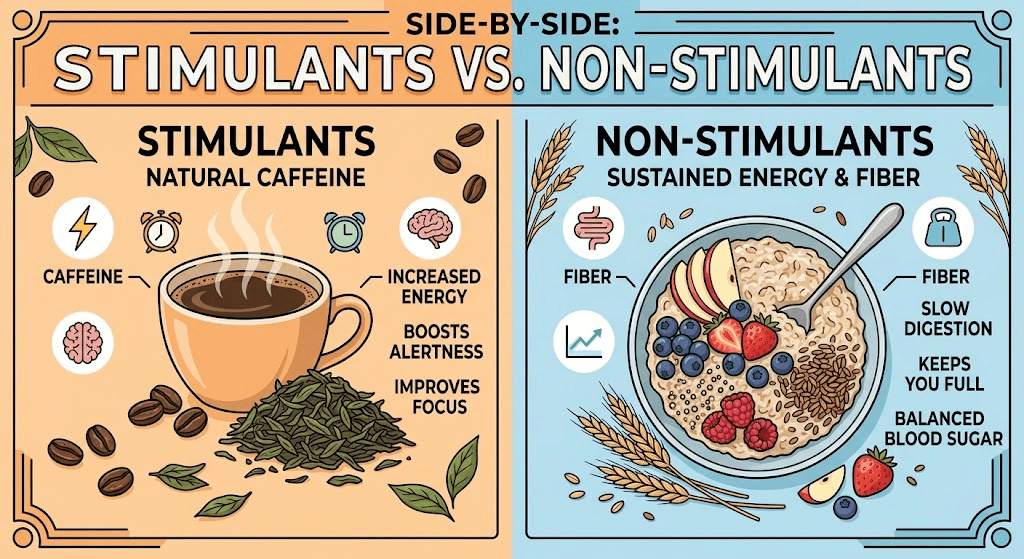
- Stimulant Supplements: These products contain compounds that directly affect your central nervous system. They are designed to make you feel more awake, alert, and energetic. In the context of weight management, they are often marketed to increase thermogenesis (how your body produces heat and burns calories).
- Non-Stimulant Supplements: These formulas do not contain central nervous system stimulants. Instead of trying to boost your energy levels artificially, they focus on other proposed methods of weight management. This might include expanding in the stomach to make you feel full, attempting to block the absorption of certain nutrients, or supporting cellular fat metabolism.
Common Factors Driving Use
People often look into these products when they encounter specific hurdles in their health routines. Some common reasons include:
- Weight-loss plateaus: Experiencing a stall in progress despite sticking to a diet and exercise routine.
- Diet fatigue: Feeling tired or sluggish due to eating fewer calories.
- Appetite management: Struggling with hunger or cravings between meals.
- Curiosity: Seeking an extra edge or faster results after reading marketing claims.
It is important to remember that supplements are only meant to be additions to your diet, not replacements for healthy lifestyle habits. For a deeper look at the body’s natural calorie-burning processes, you can read our guide on understanding how metabolism works.
How the Relevant Supplements Are Supposed to Work
Manufacturers claim these products support weight management through a few different biological pathways, depending on whether they use stimulants or not.
The Stimulant Approach
Stimulants are primarily supposed to work by increasing thermogenesis and fat oxidation. Thermogenesis is the process of heat production in organisms. By mildly increasing your core temperature and heart rate, stimulant ingredients may cause the body to burn a slightly higher number of calories throughout the day. Some stimulants are also believed to reduce appetite temporarily.
The Non-Stimulant Approach
Without relying on nervous system stimulation, non-stimulant products target other mechanisms:
- Satiety (Fullness): Using soluble fibers that absorb water in the stomach, physically taking up space to help you feel full sooner.
- Macronutrient Blocking: Using certain plant extracts that claim to block the enzymes responsible for digesting carbohydrates or fats, meaning fewer calories are absorbed.
- Fatty Acid Transport: Using amino acids to theoretically help move stored body fat into cells where it can be burned for energy.
Common Ingredients
Understanding what is inside the bottle is the best way to evaluate a supplement. Here is a breakdown of the most common ingredients found in both categories.
Stimulant Ingredients
- Caffeine: The most common stimulant in the world. It may temporarily boost metabolism and energy.
- Green Tea Extract: While it contains beneficial antioxidants called catechins (specifically EGCG), it also naturally contains caffeine unless specifically decaffeinated.
- Synephrine (Bitter Orange): A plant extract often used as a substitute for ephedra (which was banned by the FDA). It acts as a strong stimulant.
- Guarana and Yerba Mate: Plant sources that naturally contain high amounts of caffeine.
Non-Stimulant Ingredients
- Glucomannan: A dietary fiber derived from the root of the konjac plant. It absorbs water and forms a bulky gel in the gut, which may promote a feeling of fullness.
- Conjugated Linoleic Acid (CLA): A type of fatty acid found naturally in meat and dairy, sometimes marketed to help reduce body fat deposits.
- L-Carnitine: An amino acid derivative that plays a role in transporting fatty acids into your cells’ mitochondria to be burned for energy.
- Garcinia Cambogia: A tropical fruit extract containing hydroxycitric acid (HCA), which has been studied for its potential to inhibit a fat-producing enzyme.
What Does the Evidence Show?
When evaluating weight-loss supplements, it is essential to separate marketing promises from clinical evidence. The National Institutes of Health (NIH) Office of Dietary Supplements maintains that while some ingredients have been studied, the overall evidence for significant weight loss from supplements is generally weak or mixed.
- Strong to Moderate Evidence: Caffeine and green tea extract have the most consistent research backing their ability to temporarily increase calorie expenditure by a small amount. However, this effect is usually minor and tends to decrease as your body builds a tolerance.
- Mixed Evidence: Glucomannan has shown some promise in short-term human trials for promoting fullness and modest weight loss, but results vary widely between studies. CLA has also shown mixed results, with some trials showing a very small reduction in body fat, while others show no benefit.
- Insufficient Evidence: Many popular ingredients lack reliable, large-scale human trials. For example, while L-Carnitine makes sense in theory (since it transports fat in the body), taking extra L-Carnitine as a supplement has not been proven to increase fat burning in healthy humans. Currently, there is no reliable human research to support many herbal fat-burning blends for long-term weight loss.
Risks and Side Effects
No supplement is entirely free of risks, and the side effects differ heavily between the two categories. For a broader overview, please review our comprehensive guide to supplement safety.
Stimulant Side Effects
Because they interact with the central nervous system, stimulant supplements can cause:
- Jitters, nervousness, and anxiety
- Rapid heartbeat (tachycardia) or elevated blood pressure
- Insomnia and disrupted sleep patterns
- Digestive upset and nausea
Non-Stimulant Side Effects
While they don’t cause jitters, non-stimulant ingredients have their own potential issues:
- Fiber-based products (like Glucomannan): Can cause bloating, gas, stomach cramps, and diarrhea. In rare cases, if taken without enough water, expanding fibers can pose a choking hazard or cause bowel blockages.
- Fat blockers: Can cause loose stools, urgent bowel movements, and may interfere with the absorption of fat-soluble vitamins (Vitamins A, D, E, and K).
The Danger of Proprietary Blends
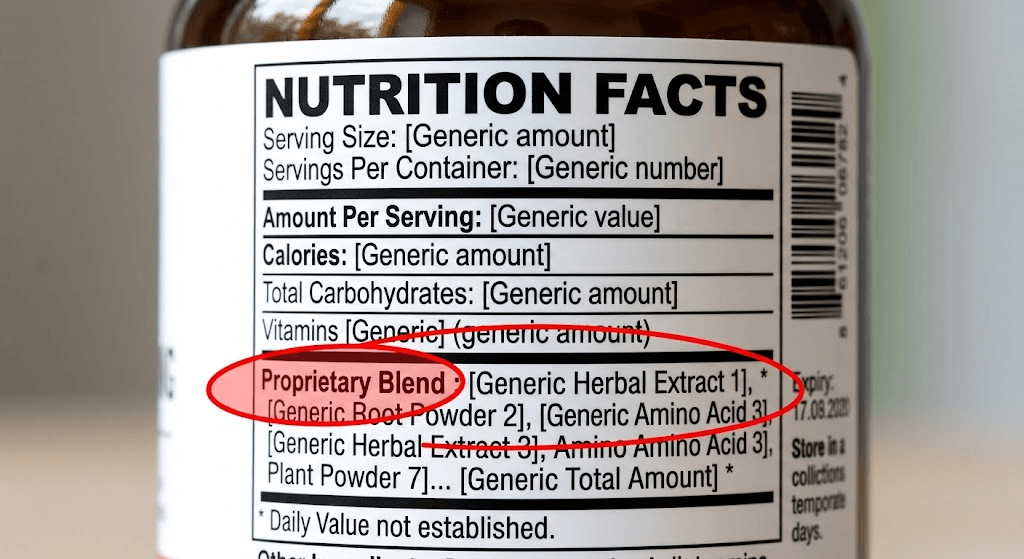
Many weight-loss supplements use “proprietary blends.” This means the label lists a group of ingredients together and provides the total weight of the blend, but does not tell you exactly how much of each individual ingredient is inside. This makes it impossible to know if you are getting a safe dose or a potentially harmful amount, especially with stimulants.
Who Should Be Especially Careful?
Certain groups of people should exercise extreme caution or avoid these supplements entirely:
- Pregnant or nursing women: The safety of most weight-loss herbs has not been established for pregnancy.
- People with heart conditions or high blood pressure: Stimulants can put dangerous stress on the cardiovascular system.
- Individuals with anxiety disorders: High doses of caffeine and other stimulants can trigger or worsen anxiety and panic attacks.
- Children and teenagers: Weight-loss supplements are not appropriate for minors and can interfere with healthy growth and development.
- Anyone taking prescription medications: Both stimulant and non-stimulant ingredients can interact unpredictably with medications, including antidepressants, blood thinners, and diabetes drugs.
When to Speak With a Healthcare Professional
Always talk to your doctor before adding a new dietary supplement to your routine, especially if you have a pre-existing health condition.
If you decide to try a weight-loss supplement and experience any of the following symptoms, stop taking the product immediately and seek medical attention:
- Severe headaches
- Chest pain or an irregular, racing heartbeat
- Dizziness or feeling faint
- Shortness of breath
- Severe abdominal pain
How to Evaluate a Supplement in This Category
If you and your doctor agree that a supplement might be appropriate, use this checklist to evaluate your options:
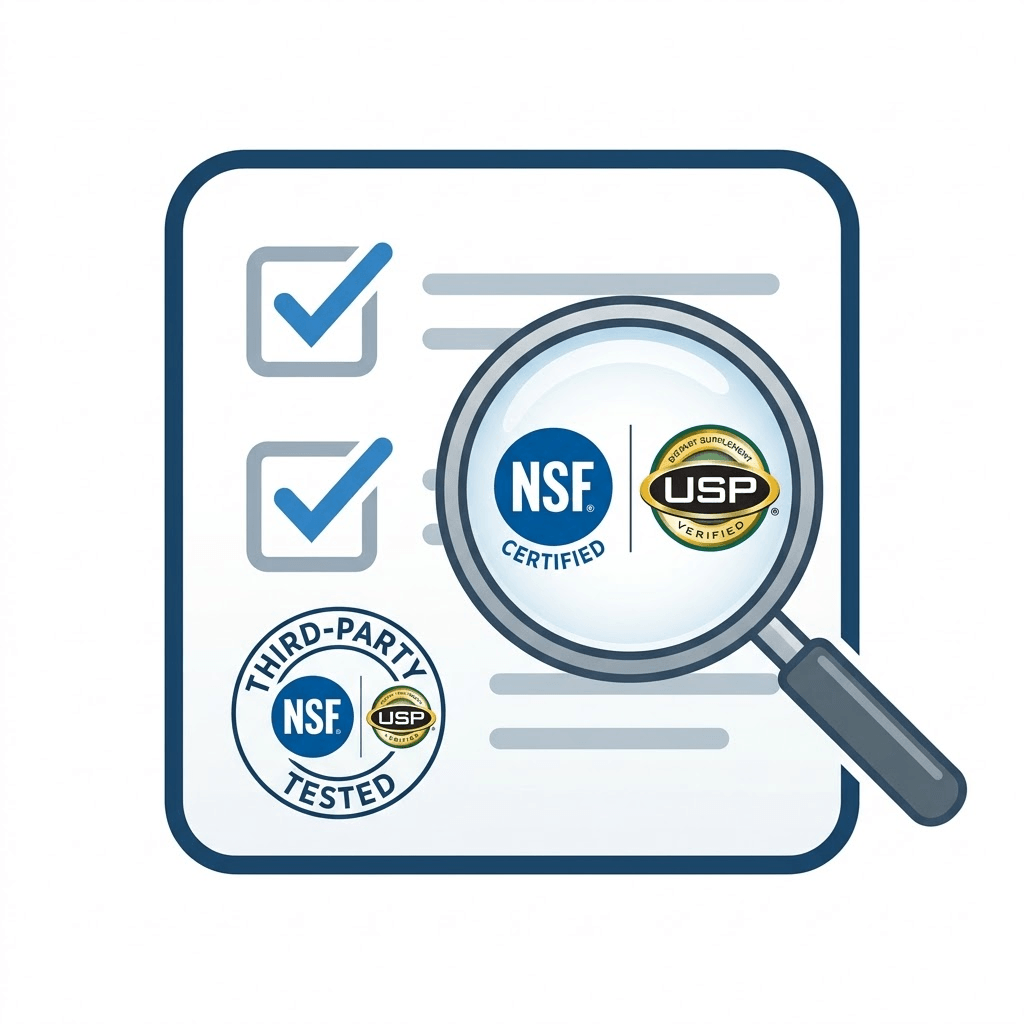
- Check for third-party testing: Look for seals from independent testing organizations like NSF International, USP, or ConsumerLab. This verifies that the product actually contains what the label claims and is free of harmful contaminants.
- Avoid proprietary blends: Choose products that clearly list the exact milligram amount of every active ingredient.
- Calculate total caffeine: If you choose a stimulant, add up the caffeine from the supplement and your daily coffee or tea to ensure you aren’t consuming dangerous levels.
- Watch for unrealistic claims: If a product promises “rapid weight loss without diet or exercise,” or guarantees you will “lose 10 pounds in a week,” it is highly likely to be a scam.
- Review the inactive ingredients: Check for artificial dyes, excessive fillers, or common allergens.
Related Product Analyses
If you want to see how these concepts apply to actual formulas on the market, Supplements Diary has also examined several products in both categories.
For example, you can read our review of HydroLean XT Gold to see how a stimulant-heavy profile is structured.
We have also analyzed the LipoBliss formula to break down its specific ingredient choices.
When evaluating AquaBurn, we looked closely at its liquid-delivery marketing claims.
Finally, you can explore the SlimJaro ingredient profile to understand how they balance their specific blend.
Frequently Asked Questions
Are non-stimulant supplements always safer than stimulant ones?
Not necessarily. While they avoid the heart and sleep-related side effects of stimulants, non-stimulant ingredients can still cause severe digestive distress, interact with prescription medications, or cause allergic reactions. “Stimulant-free” does not automatically mean risk-free.
Do I still need to diet and exercise if I take these supplements?
Yes. There is no pill, powder, or extract that can replace a calorie deficit and physical activity. If these supplements work at all, the effects are minimal and will only be noticeable if you are already eating a balanced diet and exercising regularly.
Can I take a stimulant supplement before working out?
Many people use stimulant supplements as a pre-workout energy source. However, you must be careful not to combine them with other caffeinated products, like coffee or energy drinks, to avoid accidental overstimulation and cardiovascular strain.
Is it safe to take a non-stimulant weight-loss supplement before bed?
Generally, non-stimulant supplements will not keep you awake. However, if the product contains large amounts of fiber, taking it right before lying down may cause acid reflux or stomach discomfort in some people.
How long is it safe to take these supplements?
Most dietary supplements for weight management are only intended for short-term use (a few weeks to a few months). Your body quickly adapts to stimulants, making them less effective over time. Always follow the manufacturer’s directions and your doctor’s advice regarding duration.
Conclusion
The choice between a stimulant and non-stimulant weight-loss supplement comes down to how your body handles energy-boosting ingredients and what specific support you are looking for. Stimulants rely on nervous system activation to briefly increase calorie burning, while non-stimulants use alternative methods like dietary fiber to encourage fullness.
Regardless of the category, scientific evidence shows that supplements offer only modest benefits at best. They are not magic solutions. Prioritize your safety by reading labels carefully, avoiding hidden proprietary blends, checking for third-party testing, and always discussing new supplements with your healthcare provider.
References
- National Institutes of Health (NIH) Office of Dietary Supplements – Dietary Supplements for Weight Loss – Fact Sheet for Consumers – https://ods.od.nih.gov/factsheets/WeightLoss-Consumer/
- U.S. Food and Drug Administration (FDA) – Beware of Products Promising Miracle Weight Loss – https://www.fda.gov/consumers/consumer-updates/beware-products-promising-miracle-weight-loss
- National Center for Complementary and Integrative Health (NCCIH) – Green Tea – https://www.nccih.nih.gov/health/green-tea
- Centers for Disease Control and Prevention (CDC) – Losing Weight – https://www.cdc.gov/healthyweight/losing_weight/index.html

Dr. Emma Myers is a medical student at UNC School of Medicine in Chapel Hill, with a focus on autoimmune dermatology. She grew up in Durham, North Carolina, and completed her undergraduate studies at the University of Virginia, majoring in Human Biology and Spanish. Emma has worked as a medical assistant in dermatology, gaining experience in cosmetic and medical dermatology. She leads advocacy groups for autoimmune skin disorders and is involved in research on autoimmune diseases, skin safety, and early diagnosis. Outside of medicine, she is a certified yoga sculpt instructor and enjoys outdoor activities with her dog.