
Metabolic health has become a major focus for many adults looking to maintain steady energy levels and support their body’s natural processes. In recent years, a plant compound called berberine has gained significant attention online, often discussed as a natural way to support blood sugar levels and overall metabolism.
If you are researching supplements for metabolic support, you have likely seen berberine mentioned alongside complex formulas, prompting questions about how it actually works. This article explains what berberine is, what current scientific studies say about its potential benefits, and the very real risks and interactions you need to understand before taking it. While natural supplements can sometimes play a role in a broader wellness plan, they are not replacements for a healthy diet, regular exercise, or professional medical treatment.
Quick Answer
Berberine is a natural compound found in several plants that may support metabolic health by activating an enzyme called AMPK, which helps regulate how the body uses sugar and fat. While some human studies show it may help support healthy blood sugar and cholesterol levels, it is not a cure for diabetes. Berberine can cause digestive upset and interacts dangerously with many prescription medications, so you should always talk to a doctor before using it.
What Is Berberine?
Berberine is not a plant itself, but a bitter-tasting, yellow-colored chemical compound found in the roots, stems, and bark of several plants. These include goldenseal, barberry, Oregon grape, and tree turmeric.
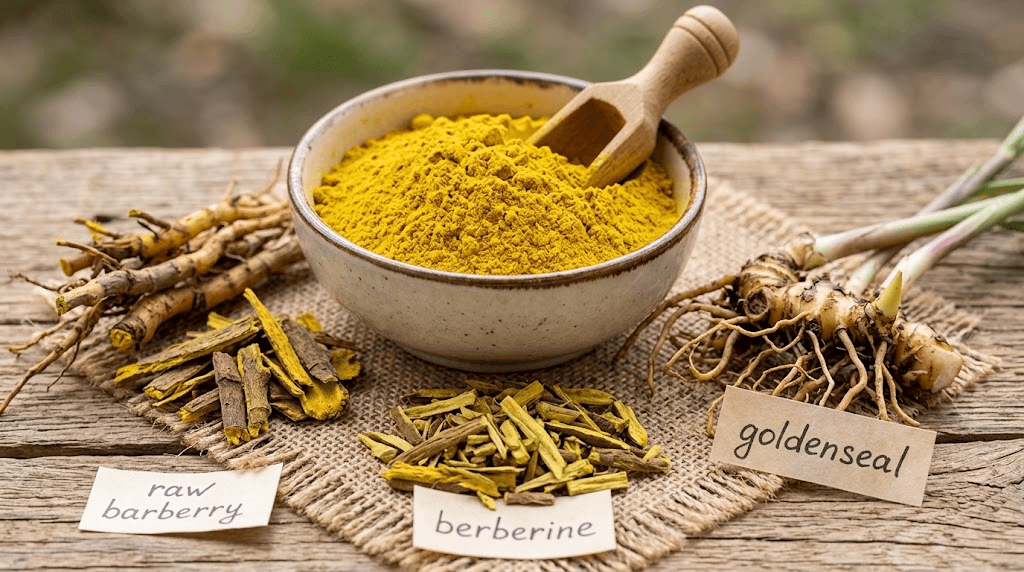
Historically, plants containing berberine have been used in traditional Chinese and Ayurvedic medicine for hundreds of years, often for digestive issues and infections. Today, the isolated berberine compound is most commonly extracted and sold as an over-the-counter dietary supplement. People generally take it to support cardiovascular health, metabolic function, and blood-glucose control. If you want to see how a typical single-ingredient product stacks up, you can read our complete berberine review.
Common Causes or Contributing Factors
When people seek out berberine, they are usually trying to address underlying concerns about their metabolic health. Poor metabolic health means the body is struggling to efficiently process carbohydrates, fats, and proteins into energy. Several factors can contribute to these challenges:
- Dietary choices: Consuming high amounts of highly processed foods, refined sugars, and saturated fats over time.
- Physical inactivity: A sedentary lifestyle makes it harder for muscle cells to respond to insulin and absorb glucose from the blood.
- Weight management: Excess body weight, particularly visceral fat carried around the abdomen, can interfere with normal metabolic signaling.
- Genetics and family history: A predisposition to metabolic syndrome, insulin resistance, or type 2 diabetes can be inherited.
- Chronic stress and poor sleep: High levels of stress hormones (like cortisol) and lack of restful sleep can directly impact how the body manages blood sugar.
Note: These factors can increase the risk of metabolic issues, but they do not guarantee a specific condition will develop. Supplements cannot erase the impact of poor lifestyle habits.
Common Signs or Symptoms
Changes in metabolic health can happen slowly. Some people may not notice anything at first, but common signs that the body is struggling to manage energy and blood sugar efficiently can include:
- Frequent fatigue or feelings of extreme tiredness, especially after eating meals.
- Increased thirst and frequent urination.
- Cravings for sugary foods and carbohydrates.
- Difficulty losing weight or carrying excess weight around the middle.
- Brain fog or difficulty concentrating.
Important: These signs are common and can be caused by many different things, from simple dehydration to a lack of sleep. Symptoms alone cannot confirm a diagnosis. If you experience these consistently, you should have a doctor evaluate your blood work rather than relying on self-diagnosis.
How Berberine and Relevant Supplements Are Supposed to Work
The main reason berberine has drawn so much interest from the scientific community is its apparent ability to interact with the body at a cellular level.
Researchers believe berberine may support metabolic health primarily by activating an enzyme called AMP-activated protein kinase (AMPK). You can think of AMPK as a “master metabolic switch” inside your cells. When this switch is turned on, it tells the body to:
- Draw glucose (sugar) out of the blood and into the cells to be used for energy.
- Decrease the amount of new glucose produced by the liver.
- Encourage the burning of fats for energy instead of storing them.
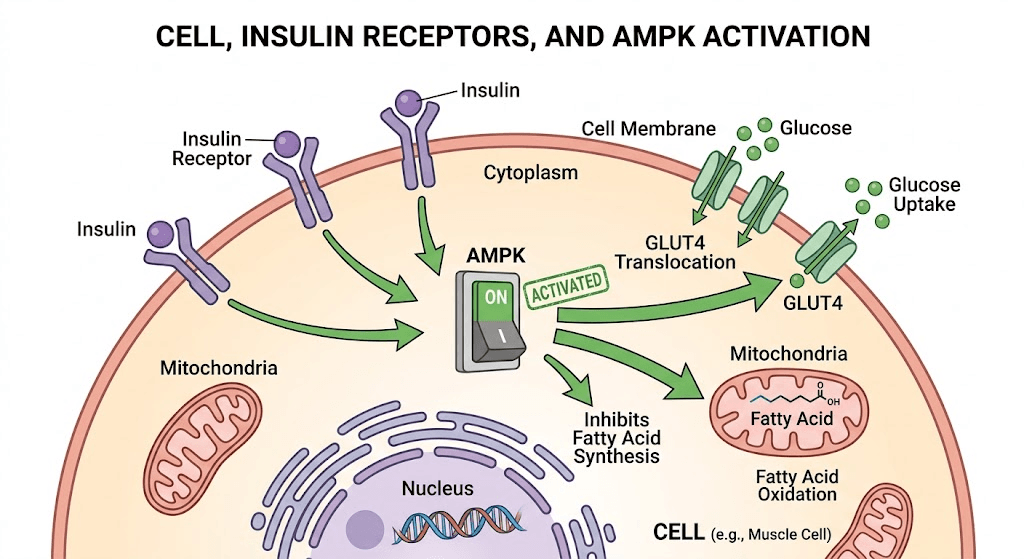
By theoretically influencing this enzyme, berberine has been studied for its potential to support how the body handles carbohydrates and fats. Many complex supplements try to mimic or enhance this action by combining different herbs. To see how these blends compare to isolated ingredients, you can explore our understanding blood sugar supplements guide.
Common Ingredients in Metabolic Supplements
When looking at metabolic health products, you will often find berberine sold alone or combined with other ingredients.
Berberine HCL
This is the most common form of berberine found in supplements. “HCL” stands for hydrochloride, which is added to make the compound easier for the body to absorb. While it is widely used, poor absorption remains a challenge, which is why products often recommend taking it multiple times a day.
Secondary Herbal Additions
Many multi-ingredient formulas combine herbs like cinnamon extract, bitter melon, or fenugreek alongside metabolic targets. While these are popular in traditional practices, the scientific evidence for them varies wildly. For some obscure herbal extracts occasionally thrown into proprietary blends, it is important to note: Currently, there is no reliable human research to support this ingredient for this purpose. Always check the label for clear, standardized extracts rather than hidden blends.
What Does the Evidence Show?
The scientific research on berberine is extensive, but it is important to separate what has been proven in humans from what has only been seen in laboratories.
Stronger Evidence
Multiple peer-reviewed systematic reviews and meta-analyses of human trials suggest that berberine may have a measurable impact on metabolic markers. Studies have shown that when used alongside lifestyle interventions, berberine may help support healthy fasting blood glucose levels and improve HbA1c (a measure of long-term blood sugar control) in some adults. Research also indicates it may help support healthy cholesterol and triglyceride levels.
Mixed or Limited Evidence
While some studies suggest berberine might aid in modest weight management, the results are mixed. It should not be viewed as a standalone weight-loss solution. Much of the weight-related data is secondary to its effects on insulin and glucose.
Insufficient Evidence
Some alternative medicine sources claim berberine can cure fatty liver disease or replace prescription heart medications. There is insufficient human evidence to support these major medical claims, and the FDA has not approved berberine to treat or prevent any disease.
Risks and Side Effects
Because berberine is a “natural” compound, many people assume it is completely safe. This is a dangerous misconception. Berberine is a powerful, biologically active substance.
Common Side Effects: The most frequently reported side effects involve the digestive system. Users often report:
- Diarrhea or constipation
- Stomach cramping and abdominal pain
- Gas and bloating Taking berberine with food or in divided doses may reduce these effects, but they remain common.
Medication Interactions (High Risk): Berberine interacts heavily with how the liver processes other substances. It inhibits specific liver enzymes (like CYP3A4). This means if you take certain medications, berberine can cause those drugs to build up to toxic levels in your bloodstream, or make them stop working altogether.
You must not mix berberine with:
- Prescription blood sugar medications (like metformin or insulin): Combining these can cause blood sugar to drop dangerously low (hypoglycemia).
- Cyclosporine: Berberine can cause dangerous spikes in this immunosuppressant.
- Statins and blood pressure medications: Berberine can alter how these are absorbed and cleared.
- Macrolide antibiotics: Mixing these can lead to severe heart arrhythmias.
Before starting any new routine, we highly recommend reading our guide to supplement interactions for a broader understanding of how natural products mix with medicines.
Who Should Be Especially Careful?
Certain groups should avoid berberine entirely or proceed only under strict medical supervision:
- Pregnant and nursing people: Berberine is considered unsafe during pregnancy and breastfeeding. It can cross the placenta and pass through breast milk, potentially causing kernicterus (a rare type of brain damage) in newborns exposed to it.
- Children and infants: Supplements containing berberine should never be given to children.
- Older adults: Due to the higher likelihood of taking multiple prescription medications, older adults face a significantly higher risk of dangerous drug interactions.
- People with liver conditions: Because berberine affects liver enzymes, those with pre-existing liver issues should consult a specialist first.
When to Speak With a Healthcare Professional
You should always speak with a healthcare provider before adding a supplement like berberine to your routine, especially if you have an existing health condition.
You should seek urgent medical care if you are taking berberine and experience:
- Signs of severe hypoglycemia (shaking, sweating, confusion, rapid heartbeat, extreme dizziness).
- Unexplained yellowing of the skin or eyes (jaundice).
- Severe abdominal pain that does not go away.
How to Evaluate a Supplement in This Category
If you and your doctor decide a metabolic supplement is appropriate for you, use this checklist to evaluate products on the market:
- Check for third-party testing: Because dietary supplements are not strictly regulated for purity before they hit the market, look for seals from NSF, USP, or ConsumerLab to ensure the bottle actually contains what the label claims without heavy metal contamination.
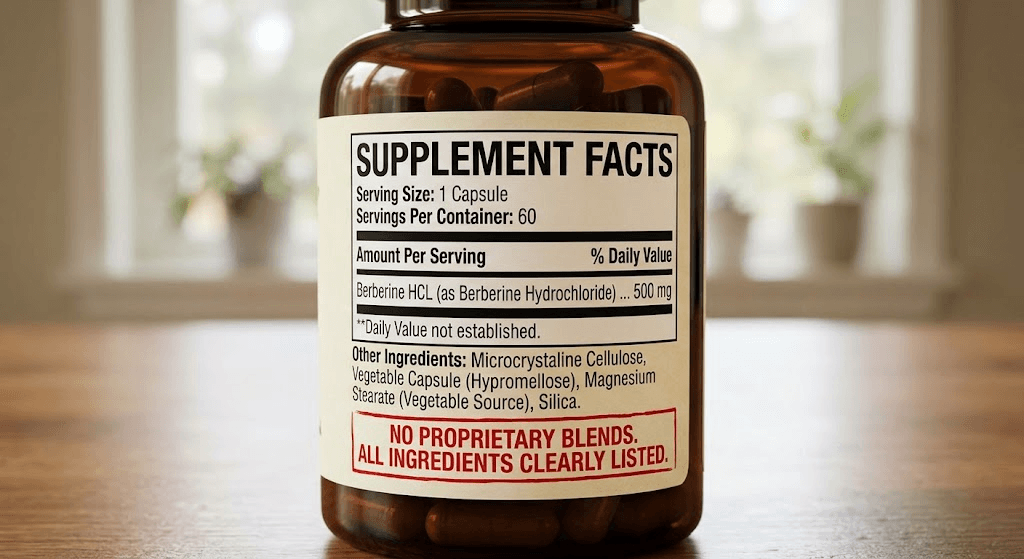
- Avoid proprietary blends: Choose products that clearly list the exact milligram amount of berberine (or other ingredients) so you know what dose you are getting.
- Watch for unrealistic claims: If a product promises to “cure” diabetes, “melt” belly fat overnight, or implies you can stop taking your prescribed medications, it is using deceptive marketing.
- Look for standardized extracts: Ensure the label specifies “Berberine HCL” and notes the percentage of standardization, which indicates a higher quality manufacturing process.
Related Product Analyses
Supplements Diary has also examined several products in the metabolic and blood sugar space. If you want to see how complex formulas compare to single ingredients, you can explore our detailed breakdowns.
Our Sugar Defender formula analysis examines the ingredient list and marketing claims of this popular liquid drop. We also break down capsule-based blends; you can read our Blood Sugar Blaster review to understand its specific herbal profile, or check out our look into Glucotonic for another perspective on multi-ingredient metabolic supplements.
Frequently Asked Questions
Can I take berberine instead of metformin?
No. You should never stop taking a prescribed medication or replace it with an over-the-counter supplement without explicit instructions from your prescribing doctor. Berberine and metformin have different safety profiles and risks.
How long does it take for berberine to work?
In clinical studies, researchers generally measure the effects of berberine on metabolic markers after 8 to 12 weeks of consistent use. It does not provide an immediate, overnight fix for metabolic health.
Is it safe to take berberine every day?
Long-term safety data on berberine is limited. Many functional medicine practitioners recommend taking it in cycles (for example, taking it for a few months and then taking a month off) to prevent potential disruptions to the gut microbiome, though standardized medical guidelines for long-term use do not currently exist.
Should I take berberine with food?
Yes. Taking berberine shortly before or during a meal is generally recommended. This can help maximize its potential to manage post-meal blood sugar spikes and significantly reduces the chances of experiencing stomach upset or diarrhea.
Conclusion
Berberine is one of the more fascinating natural compounds being researched today, with genuine scientific studies suggesting it may support metabolic function and healthy blood sugar levels in some individuals. However, its strength is also its biggest risk. Because it actively alters how the liver processes other chemicals, it carries a high risk of dangerous interactions with common prescription medications.
Supplements should never be viewed as a cure for metabolic conditions. The foundation of metabolic health remains a balanced diet, routine physical activity, and proper medical care. If you are considering berberine, treat it with the same caution you would a medication, and have an open conversation with your healthcare provider to ensure it is safe for your specific situation.
References
- National Center for Complementary and Integrative Health (NCCIH) – Ayurvedic Medicine: In Depth – https://www.nccih.nih.gov/health/ayurvedic-medicine-in-depth
- MedlinePlus / National Library of Medicine – Berberine – https://medlineplus.gov/druginfo/natural/1126.html
- National Institutes of Health (NIH) Office of Dietary Supplements – Dietary Supplements for Type 2 Diabetes – https://ods.od.nih.gov/factsheets/Diabetes-HealthProfessional/
- Centers for Disease Control and Prevention (CDC) – Prevent Type 2 Diabetes – https://www.cdc.gov/diabetes/prevent-type-2/index.html

Dr. Emma Myers is a medical student at UNC School of Medicine in Chapel Hill, with a focus on autoimmune dermatology. She grew up in Durham, North Carolina, and completed her undergraduate studies at the University of Virginia, majoring in Human Biology and Spanish. Emma has worked as a medical assistant in dermatology, gaining experience in cosmetic and medical dermatology. She leads advocacy groups for autoimmune skin disorders and is involved in research on autoimmune diseases, skin safety, and early diagnosis. Outside of medicine, she is a certified yoga sculpt instructor and enjoys outdoor activities with her dog.