
When browsing for dietary supplements, it is easy to be drawn in by bold promises. Sexual enhancement and weight-loss supplements are two of the most popular categories on the market, often marketed as natural, fast-acting solutions for complex bodily functions. However, beneath the marketing claims, some of these products carry significant, undisclosed risks. Over the past decade, regulatory agencies have repeatedly warned consumers about “tainted” supplements that contain hidden, unlisted pharmaceutical ingredients.
This article explores why certain supplements are targeted for adulteration, what kinds of hidden ingredients are most commonly found in sexual enhancement and weight-loss products, and how these undisclosed chemicals can interact with your body. We will also examine how to read labels critically and make safer, more informed choices when evaluating products in these categories.
Quick Answer
Sexual enhancement and weight-loss supplements are the most common categories found to contain hidden, undisclosed pharmaceutical ingredients, such as sildenafil (the active ingredient in Viagra) or sibutramine (a banned weight-loss drug). Because these chemicals are not listed on the label, they pose severe risks of dangerous interactions with prescription medications and can cause life-threatening cardiovascular issues. Always look for transparent labels and independent third-party testing.
What Are Hidden Ingredients in Supplements?
Hidden ingredients are active chemical compounds or prescription drugs that manufacturers illegally include in dietary supplements without listing them on the product label. In the supplement industry, this practice is known as “adulteration.”
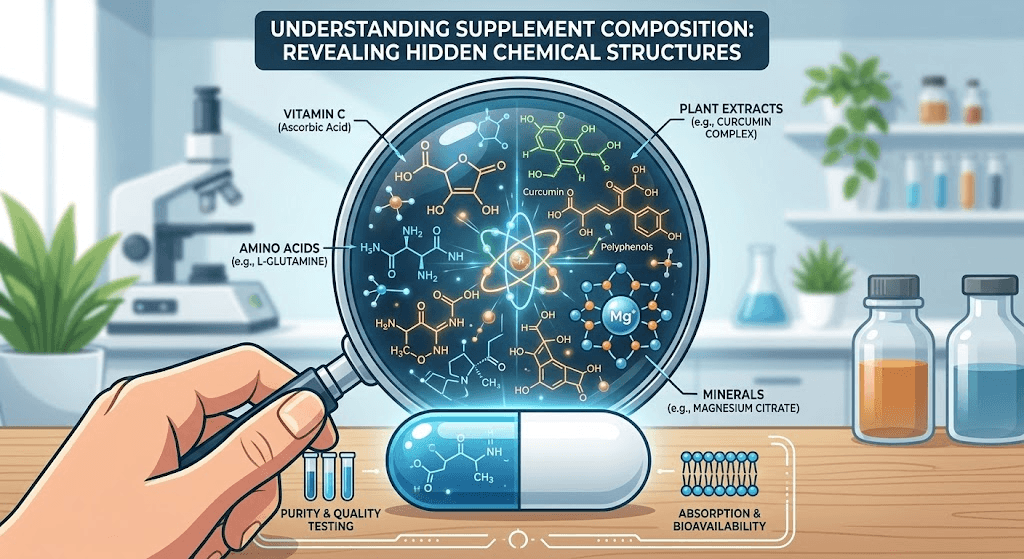
According to the U.S. Food and Drug Administration (FDA), dietary supplements are intended to add nutritional value to your diet through vitamins, minerals, herbs, or amino acids. They are not permitted to contain synthetic pharmaceutical drugs. When a product contains a hidden drug, it ceases to be a legal dietary supplement and becomes an unapproved, unregulated pharmaceutical.
Common Causes or Contributing Factors
Understanding why hidden ingredients end up in supplements requires looking at the commercial landscape.
- Consumer Demand for Quick Results: Many consumers want rapid weight loss or immediate sexual enhancement. Natural herbal ingredients typically work gradually and offer subtle support, which may not satisfy buyers looking for instant fixes.
- Profit Margins: Unscrupulous manufacturers may spike a cheap herbal powder with trace amounts of synthetic drugs imported from overseas. This creates a powerful, immediate effect that drives repeat sales and positive reviews, masking the fact that the product is illegal.
- Bypassing Regulation: Dietary supplements are not approved by the FDA before they hit the market. While manufacturers are legally responsible for ensuring safety, unethical companies use this post-market regulatory system to slip tainted products onto online marketplaces before authorities can catch them.
How the Relevant Supplements Are Supposed to Work
Legitimate sexual enhancement and weight-loss supplements rely on vitamins, minerals, and botanical extracts to support the body’s natural processes.
- Sexual Enhancement Supplements: These formulas are generally marketed to support healthy blood flow, energy levels, and hormone balance. Ingredients like L-arginine, maca root, and ginseng are often studied for their potential to support nitric oxide production and stamina.
- Weight-Loss Supplements: These are typically formulated to support metabolism, encourage thermogenesis (heat production), or manage appetite. Natural ingredients might include green tea extract, caffeine, or soluble fibers designed to help consumers feel fuller.
While some natural ingredients have been studied for these purposes, their effects are usually modest. Evidence remains limited, and results vary significantly from person to person.
Common Ingredients: Disclosed vs. Undisclosed
When examining these supplement categories, it is vital to distinguish between the natural ingredients listed on the label and the hidden synthetics that regulatory bodies frequently discover during lab testing.
Disclosed (Label) Ingredients
- Yohimbe: Derived from the bark of an African tree, yohimbe is frequently included in sexual enhancement formulas. While it may support blood flow, it can cause severe side effects like rapid heartbeat and high blood pressure, even when legally listed.
- Green Tea Extract: A common weight-loss ingredient containing catechins and caffeine. It has been studied for its metabolic support, though excessive amounts can stress the liver.
- L-Arginine: An amino acid that may support nitric oxide production. It is generally recognized as safe but can interact with blood pressure medications.
Hidden (Undisclosed) Ingredients
- Sildenafil and Tadalafil: These are FDA-approved prescription drugs for erectile dysfunction. Unethical manufacturers often hide these in “all-natural” sexual enhancement pills. If taken by someone using nitrate medications for heart problems, these hidden drugs can cause a fatal drop in blood pressure.
- Sibutramine: A powerful weight-loss drug that was removed from the U.S. market in 2010 because it substantially increases the risk of heart attacks and strokes. Despite being banned, the FDA frequently finds it hidden in imported weight-loss supplements.
- Desmethylsibutramine: An unapproved chemical analog of sibutramine, carrying similar cardiovascular risks.
- Phenolphthalein: A chemical laxative not approved for marketing in the United States, occasionally found hidden in weight-loss and detox products.
What Does the Evidence Show?
The evidence regarding hidden ingredients in supplements comes primarily from regulatory testing and observational data of adverse health events, rather than clinical trials (as testing illegal, undisclosed drugs on consumers is unethical).
- Strong Evidence of Adulteration: An analysis of the FDA’s Tainted Supplements database reveals that between 2007 and 2016, the agency identified nearly 800 adulterated dietary supplements. Over 80% of these were marketed for sexual enhancement or weight loss.
- Strong Evidence of Harm: Emergency room data collected by the Centers for Disease Control and Prevention (CDC) consistently shows that weight-loss and energy supplements are major contributors to supplement-related emergency room visits, largely due to cardiovascular symptoms like palpitations and chest pain.
- Insufficient Evidence for “Natural” Alternatives: While some studies show promising preliminary evidence for herbal ingredients like maca or green tea extract, rigorous, large-scale randomized controlled trials rarely show that these botanicals can replicate the powerful effects of synthetic drugs.
Risks and Side Effects
The primary danger of hidden ingredients is that the consumer has no idea what they are ingesting, at what dosage, or how it will interact with their body.
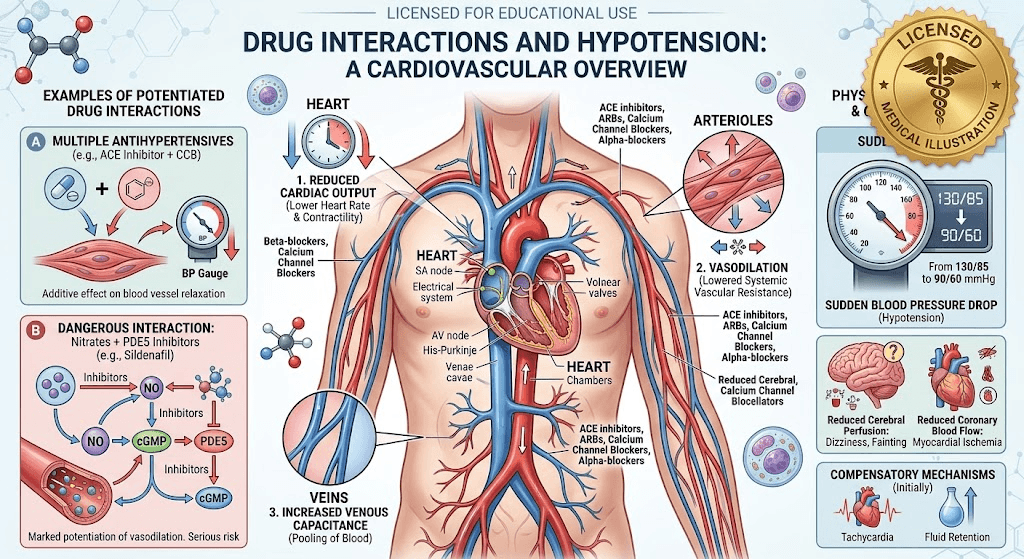
- Dangerous Drug Interactions: If you take nitrates for chest pain and unknowingly consume a supplement spiked with sildenafil, your blood pressure can drop to a life-threatening level.
- Cardiovascular Events: Hidden stimulants in weight-loss pills can trigger arrhythmias, heart attacks, or strokes, particularly in people with underlying heart disease.
- Overdosing: Unregulated manufacturing facilities do not use strict quality control. A single capsule could contain double or triple the safe clinical dose of a hidden pharmaceutical.
- Proprietary Blend Risks: Even when products don’t contain hidden drugs, manufacturers often use “proprietary blends.” This allows them to group legal ingredients together without disclosing the exact amount of each, making it impossible to know if you are taking a safe or effective dose.
Who Should Be Especially Careful?
Certain individuals are at a much higher risk of severe complications from tainted supplements. You should exercise extreme caution if you belong to any of the following groups:
- People taking prescription medications: Especially blood pressure medications, nitrates, blood thinners, or antidepressants.
- People with cardiovascular conditions: A history of high blood pressure, arrhythmias, heart attacks, or strokes makes hidden stimulants or vasodilators incredibly dangerous.
- Older adults: Age-related changes in metabolism and a higher likelihood of taking multiple prescriptions increase the risk of severe drug interactions.
- Pregnant or breastfeeding people: Weight-loss supplements should be entirely avoided during this time, as hidden chemicals can cross the placenta or enter breast milk.
When to Speak With a Healthcare Professional
If you are experiencing sexual dysfunction or struggling with weight management, these are medical issues that warrant a conversation with a doctor. Dietary supplements are not a substitute for medical treatment.
Seek immediate emergency medical care if you take a supplement and experience:
- Severe chest pain or pressure
- Sudden, severe dizziness or fainting
- Rapid, irregular heartbeat (palpitations)
- Shortness of breath
- Changes in vision or hearing
How to Evaluate a Supplement in This Category
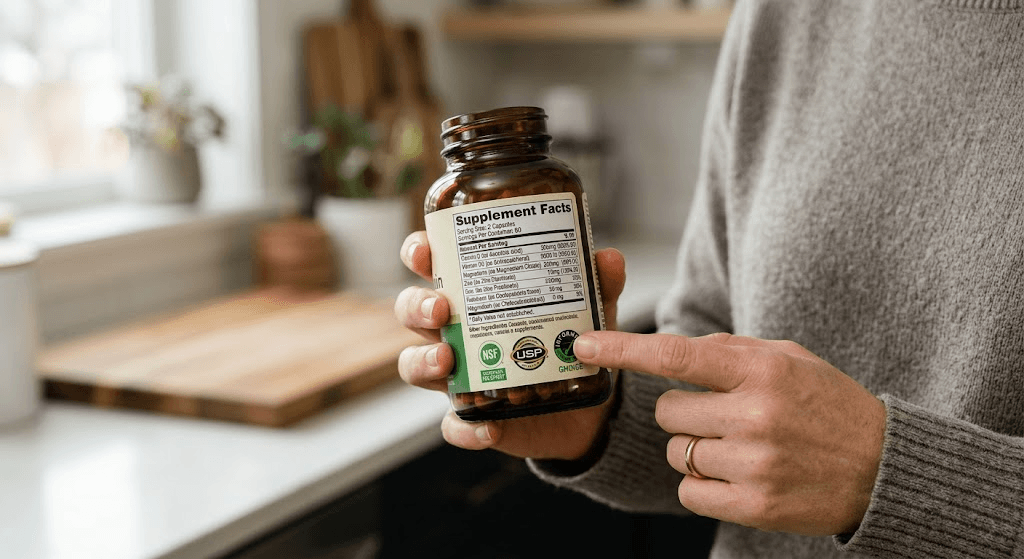
Because sexual enhancement and weight-loss products are high-risk categories, consumers must be vigilant. Use this practical checklist before purchasing:
- Check the FDA Database: Search the FDA’s Tainted Supplements list to see if the brand or product has been flagged.
- Look for Third-Party Testing: Seek products certified by independent organizations like NSF International, USP, or Informed-Choice. These groups test for banned substances and label accuracy.
- Avoid Outrageous Claims: If a product promises “instant results,” “guaranteed weight loss,” or claims to be a “legal alternative” to a prescription drug, it is highly likely to be adulterated or fraudulent.
- Beware of Foreign Language Warnings: Be cautious of products primarily marketed with foreign text or those shipped directly from overseas, as they bypass domestic quality controls.
- Demand Transparency: Avoid products that hide behind large proprietary blends. Choose brands that list the exact milligram amount of every ingredient.
Related Product Analyses
Supplements Diary has also examined several products marketed for this area of health. These reviews evaluate their ingredient transparency, claims, pricing, and limitations. If you are researching specific brands, you can review our ingredient analyses to understand what is disclosed on their labels.
For a closer look at a popular male health and performance formula, you can read our VigRX Plus review.
We also examine the specific claims of a long-standing brand in the Extenze ingredient analysis.
If you are researching other targeted male formulas, you can check our evaluation of Semenax.
We have also looked into newer formulas entering the market; you can find more details in the Boostaro product analysis.
Additionally, our Alpha Boost review breaks down the ingredients of this recently introduced male health supplement.
If you are instead researching metabolic support, you can start by reading the JellyThin review.
We also evaluate the marketing claims and formula transparency of another weight-loss product in our LipoBliss analysis.
Always cross-reference these products with our guide to supplement safety before making a decision.
Frequently Asked Questions
Are all sexual enhancement supplements spiked with drugs?
No, not all of them. Many use standard botanical ingredients like ginseng, maca, or amino acids. However, sexual enhancement is consistently ranked by the FDA as one of the highest-risk categories for hidden pharmaceutical adulteration.
Will I fail a drug test if I take a tainted weight-loss supplement?
It is possible. If a weight-loss supplement is tainted with banned stimulants, amphetamine derivatives, or unapproved synthetic chemicals, it could trigger a positive result on a sensitive athletic or employment drug screening.
Why doesn’t the FDA just test all supplements before they are sold?
Under the Dietary Supplement Health and Education Act (DSHEA) of 1994, the FDA does not have the authority to approve dietary supplements for safety or effectiveness before they are sold to the public. The responsibility lies with the manufacturer, and the FDA generally only acts after a product is on the market and found to be unsafe.
Is it safe to take natural weight-loss pills with my prescription medication?
Even 100% natural ingredients can cause dangerous interactions with prescription medications. For example, high doses of natural caffeine or green tea extract can interact with heart medications. Always consult your prescribing doctor before combining any supplement with your medication.
Conclusion
The desire for improved physical performance and weight management is entirely normal, but it is vital to approach the supplement aisle with a critical eye. While many companies sell legal, botanically based products, the sexual enhancement and weight-loss categories are heavily targeted by unethical manufacturers looking to boost their profits by hiding synthetic drugs in their formulas.
These hidden ingredients bypass medical supervision and can lead to severe, life-threatening interactions. To protect yourself, prioritize products with transparent labels and independent third-party testing, avoid supplements that make “miracle” claims, and always discuss your health goals with a qualified healthcare professional who can help you separate safe support from dangerous quick fixes.
References
- U.S. Food and Drug Administration – Tainted Sexual Enhancement Products – https://www.fda.gov/consumers/consumer-updates/tainted-sexual-enhancement-products
- U.S. Food and Drug Administration – Tainted Weight Loss Products – https://www.fda.gov/consumers/consumer-updates/tainted-weight-loss-products
- National Institutes of Health, Office of Dietary Supplements – Dietary Supplements for Weight Loss – https://ods.od.nih.gov/factsheets/WeightLoss-HealthProfessional/
- Centers for Disease Control and Prevention – Emergency Department Visits for Adverse Events Related to Dietary Supplements – https://www.cdc.gov/mmwr/preview/mmwrhtml/mm6442a8.htm
- National Center for Complementary and Integrative Health – Using Dietary Supplements Wisely – https://www.nccih.nih.gov/health/using-dietary-supplements-wisely

Dr. Emma Myers is a medical student at UNC School of Medicine in Chapel Hill, with a focus on autoimmune dermatology. She grew up in Durham, North Carolina, and completed her undergraduate studies at the University of Virginia, majoring in Human Biology and Spanish. Emma has worked as a medical assistant in dermatology, gaining experience in cosmetic and medical dermatology. She leads advocacy groups for autoimmune skin disorders and is involved in research on autoimmune diseases, skin safety, and early diagnosis. Outside of medicine, she is a certified yoga sculpt instructor and enjoys outdoor activities with her dog.