
Have you ever felt suddenly exhausted, thirsty, or foggy a few hours after eating a large meal? Or perhaps you monitor your glucose levels and have noticed sharp increases following certain foods. If so, you are likely experiencing a post-meal blood sugar spike.
Understanding how your body digests food and manages energy is the first step in supporting a healthy metabolism. While some fluctuation in blood sugar is a normal part of human digestion, dramatic spikes and crashes can leave you feeling drained and, over time, may impact your overall metabolic health.
This article will explain exactly what happens in your body after you eat, what causes these spikes, and whether dietary supplements commonly marketed for metabolic support actually have science behind them.
Quick Answer
Blood sugar spikes after eating occur because the digestive system breaks down carbohydrates into glucose, which rapidly enters the bloodstream. If you eat a meal high in simple carbohydrates and low in fiber, protein, or fat, the glucose enters your blood faster than your body’s insulin can move it into your cells, causing a temporary spike in blood sugar levels.
What Are Blood Sugar Spikes?
In medical terms, a blood sugar spike after eating is called “postprandial hyperglycemia.”
When you eat, your digestive system breaks down the food into various nutrients. Carbohydrates—found in bread, pasta, fruit, and sweets—are broken down into a simple sugar called glucose. This glucose travels into your bloodstream, raising your blood sugar level.
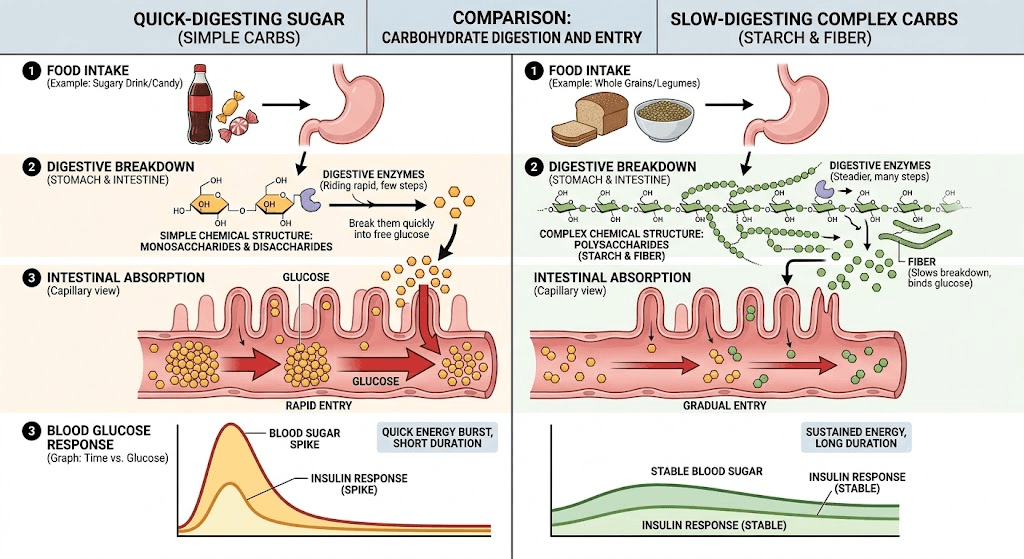
In a perfectly functioning metabolic system, the pancreas detects this rise and releases a hormone called insulin. Insulin acts like a key, unlocking your cells so the glucose can enter and be used for energy. As the glucose moves out of your blood and into your cells, your blood sugar levels naturally return to a balanced baseline.
A spike happens when this process becomes overwhelmed or inefficient, causing too much glucose to accumulate in the bloodstream at once.
Common Causes or Contributing Factors
Not all meals affect the body in the same way. Several factors influence how drastically your blood sugar will rise after eating:
- High-Carbohydrate Meals: Eating a large number of carbohydrates, especially “simple” carbs like refined sugar and white flour, causes a rapid influx of glucose.
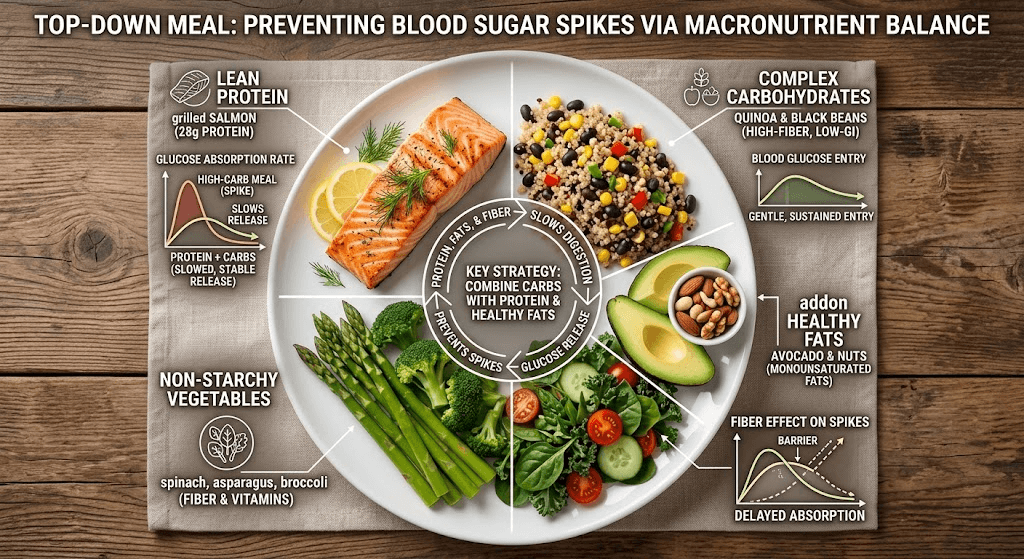
- Lack of Fiber, Protein, and Fat: Fiber, protein, and dietary fats slow down digestion. If you eat carbohydrates by themselves (like a plain bagel or a glass of juice), the glucose hits your bloodstream much faster than if you paired it with eggs or avocado.
- Insulin Resistance: In some individuals, cells stop responding efficiently to insulin. The pancreas has to produce more and more insulin to get the same job done. If the cells resist the insulin, the sugar stays trapped in the blood.
- Lack of Physical Activity: Muscles use a significant amount of glucose for energy. Being highly sedentary can reduce your body’s immediate need for glucose, leaving more of it in your bloodstream after a meal.
- Stress and Poor Sleep: High stress levels release cortisol, a hormone that can raise blood sugar. Similarly, chronic sleep deprivation has been shown to temporarily decrease insulin sensitivity.
Note: Experiencing an occasional blood sugar spike does not mean you have a medical condition, as one symptom can have several different causes. However, frequent spikes may indicate an underlying metabolic issue.
Common Signs or Symptoms
While many people do not feel minor blood sugar fluctuations, a significant spike followed by a drop (often called a “crash”) can cause noticeable symptoms. Remember, symptoms alone cannot confirm a diagnosis.
Common signs include:
- Sudden fatigue or sleepiness after eating
- Increased thirst or a dry mouth
- Frequent urination
- Brain fog or difficulty concentrating
- Headaches
- Feeling hungry again shortly after a large meal
How the Relevant Supplements Are Supposed to Work
Because metabolic health is a major concern for many adults, a large market of dietary supplements exists to address it. These products are often marketed as “blood sugar support” formulas.
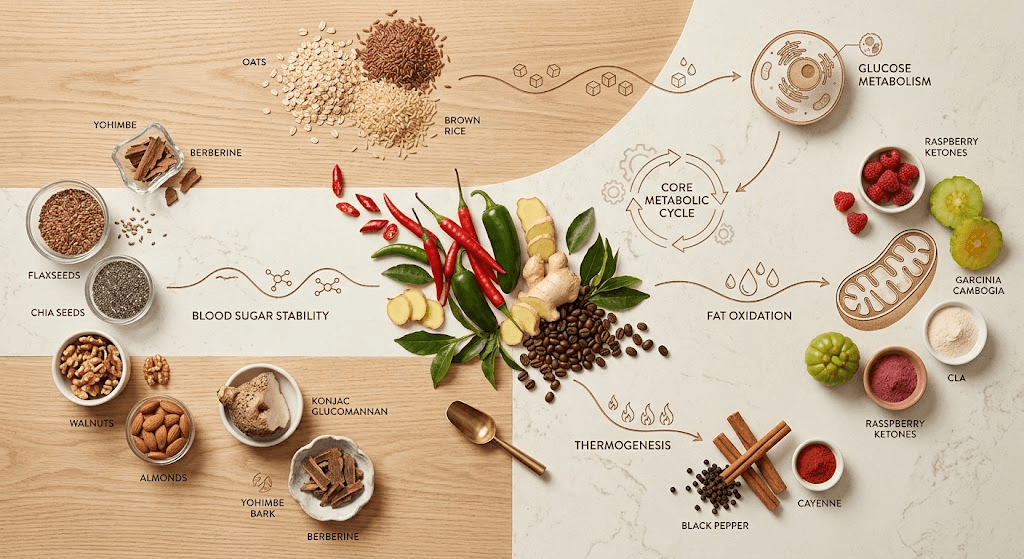
Biologically, these supplements generally aim to influence how the body handles glucose. Manufacturers suggest that their ingredients may support healthy insulin sensitivity, meaning they might help cells respond better to insulin. Other formulas contain ingredients that have been studied for their potential to slow the absorption of carbohydrates in the digestive tract.
It is important to remember that evidence remains limited for many of these commercial blends. While individual ingredients have been investigated by researchers, this does not prove that the complete supplement works as a guaranteed solution. Before starting any new regimen, reviewing resources like our guide to supplement interactions is highly recommended.
Common Ingredients
If you look at the labels of popular metabolic support supplements, you will likely see a recurring list of ingredients. Here is what you should know about them:
Berberine
- What it is: A bitter, yellow compound extracted from several different plants, including barberry and goldenseal.
- What research suggests: Berberine is one of the most widely studied botanical ingredients for metabolic health. Some clinical studies suggest it may support glucose metabolism by activating an enzyme called AMPK, which regulates cellular energy.
- Limitations: While evidence is promising, berberine can cause digestive upset (like diarrhea or cramping) and has known medication interactions.
Cinnamon Extract
- What it is: An extract derived from the bark of cinnamon trees.
- What research suggests: Manufacturers include cinnamon because some small human trials indicate it may support healthy fasting blood sugar levels and insulin sensitivity.
- Limitations: The quality and limitations of the evidence are highly debated. Results have been mixed, with several systematic reviews concluding that the benefits are too minor or inconsistent to rely upon.
Chromium
- What it is: An essential trace mineral found in foods like broccoli and whole grains.
- What research suggests: Chromium plays a role in the normal metabolism of carbohydrates and fats. Some evidence suggests that supplementing with chromium picolinate may support glycemic control in people who are deficient.
- Limitations: If you already get enough chromium from your diet, taking extra is unlikely to provide a noticeable benefit.
Gymnema Sylvestre
- What it is: A woody climbing shrub native to India and Africa.
- What research suggests: Historically used in traditional practices, some preliminary research suggests it may help reduce sugar cravings by blocking sweet receptors on the tongue and may support healthy blood sugar levels.
- Limitations: Large-scale, high-quality human trials are still lacking.
What Does the Evidence Show?
When evaluating supplements for post-meal blood sugar spikes, it is crucial to understand the hierarchy of scientific evidence.
- Strong or reasonably established evidence: There is robust consensus that lifestyle modifications—such as regular exercise, weight management, and a diet high in fiber—are highly effective at managing postprandial blood sugar spikes.
- Mixed evidence: Ingredients like berberine and chromium have shown promise in randomized controlled trials (the gold standard of research), but results vary based on dosage, the individual’s baseline health, and trial duration.
- Insufficient evidence: Many multi-ingredient proprietary blends rely on animal studies or laboratory studies (conducted in test tubes). Do not present animal or laboratory findings as confirmed human benefits. A botanical extract that lowers blood sugar in a mouse does not automatically mean a capsule will work for a human.
Risks and Side Effects
Dietary supplements are not harmless just because they are natural. Combining several supplements or mixing them with prescription medications can lead to adverse effects.
- Hypoglycemia (Low Blood Sugar): The most significant risk of taking supplements that claim to lower blood sugar is that they might work too well, especially if you are already taking prescribed medications for diabetes. This can cause a dangerous drop in blood sugar.
- Medication Interactions: Ingredients like berberine can interact with how the liver metabolizes certain drugs, altering their effectiveness.
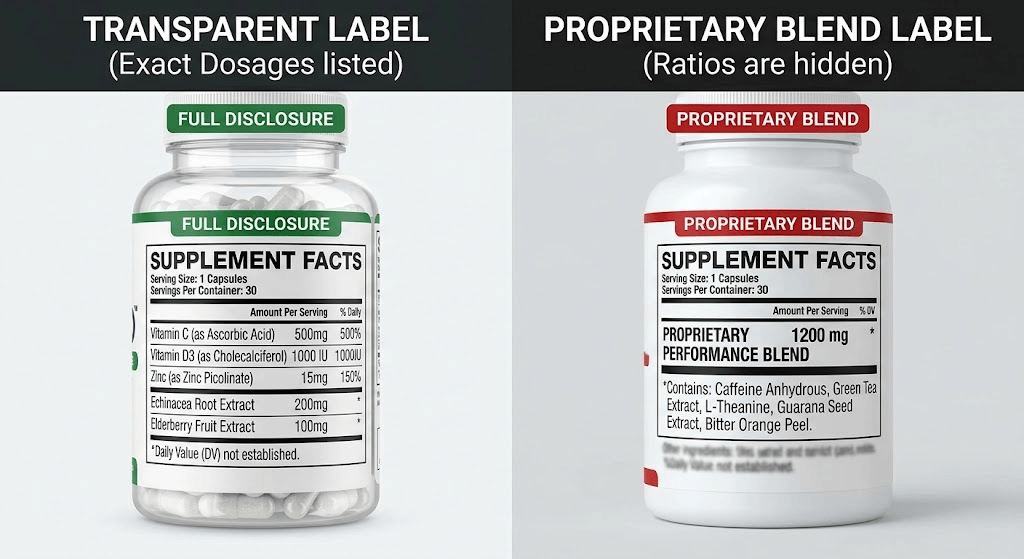
- Proprietary Blends: Many products hide their exact ingredient amounts behind “proprietary blends.” This makes it impossible to know if you are getting a safe, effective, or clinically studied dose.
Who Should Be Especially Careful?
Certain groups should exercise extreme caution and avoid starting new metabolic supplements without professional guidance:
- People with diabetes (Types 1 and 2) or prediabetes
- Pregnant or breastfeeding people
- Children and adolescents
- People taking prescription medication (especially blood thinners or blood sugar-lowering drugs)
- People with kidney or liver conditions
- People preparing for surgery
Note: Never stop or change prescribed medication in favor of a dietary supplement.
When to Speak With a Healthcare Professional
You should not attempt to manage chronic, severe blood sugar spikes through supplements alone. Make an appointment with a healthcare professional if you experience:
- Consistent, intense thirst and very frequent urination
- Unexplained weight loss despite eating normally
- Blurry vision
- Tingling or numbness in your hands or feet
- Slow-healing sores or frequent infections
A doctor can perform an HbA1c test or a fasting glucose test to determine exactly how your body is processing sugar and recommend safe, appropriate care.
How to Evaluate a Supplement in This Category
If you and your doctor decide a supplement is appropriate, use this checklist to evaluate your options:
- Transparent ingredient amounts: Avoid proprietary blends. You should see exactly how many milligrams of each ingredient are in the capsule.
- Realistic claims: Reject products that claim to “cure” diabetes or “reverse” insulin resistance permanently.
- Third-party testing: Look for products tested by independent labs for purity, heavy metals, and potency.
- Manufacturer transparency: Is it easy to find the company’s contact information and return policy?
- Independent evidence: Does the product rely on scientific studies, or just emotional testimonials and aggressive sales videos?
Related Product Analyses
Supplements Diary has also examined several products marketed for this area of health. These reviews evaluate their ingredient transparency, claims, pricing, and limitations to help you make an informed choice.
- Read our Sugar Defender ingredient analysis to see how its liquid formula compares to current research.
- Check out the Glucotonic review for a breakdown of its botanical ingredients.
- Explore our Blood Sugar Blaster analysis to understand the pros and cons of this encapsulated blend.
- Read our review of Sugar Balance for a closer look at how it utilizes traditional herbal extracts.
Frequently Asked Questions
Does walking after a meal help prevent blood sugar spikes?
Yes. Light to moderate physical activity, such as a 10- to 15-minute walk after eating, encourages your muscles to pull glucose from the bloodstream to use as energy. This natural process can significantly blunt a post-meal blood sugar spike.
Are carbohydrates bad for my blood sugar?
Carbohydrates are not inherently bad; they are a primary energy source for the body. However, the type of carbohydrate matters. Complex carbs rich in fiber (like beans, whole oats, and vegetables) digest slowly and cause a gentle, steady rise in blood sugar, whereas simple carbs (like soda and candy) cause rapid spikes.
Can drinking apple cider vinegar reduce blood sugar spikes?
Some small human trials suggest that consuming a small amount of diluted apple cider vinegar before a high-carbohydrate meal may help improve insulin sensitivity and lower post-meal blood glucose. However, evidence remains limited, and it should not be viewed as a replacement for diet modifications or medical treatment.
Do artificial sweeteners cause blood sugar spikes?
Most artificial sweeteners do not contain carbohydrates and do not directly raise blood sugar levels in the short term. However, some observational studies suggest that long-term use of certain artificial sweeteners might alter the gut microbiome in ways that could eventually impact insulin sensitivity. Results have been mixed.
Conclusion
A blood sugar spike after eating is fundamentally a matter of supply and demand. When you consume carbohydrates that digest very quickly, glucose floods your bloodstream faster than your insulin can pack it away into your cells. Over time, frequent and severe spikes can leave you fatigued and may contribute to metabolic wear and tear.
While dietary supplements featuring ingredients like berberine or cinnamon are heavily marketed for this issue, they are not magic solutions. The evidence supporting them ranges from mixed to promising, but they cannot undo the effects of a poor diet or a highly sedentary lifestyle. Distinguishing general wellness support from medical treatment is crucial: supplements should only ever be used to complement a healthy lifestyle, not to replace prescribed medications or professional medical advice.
References
- National Institute of Diabetes and Digestive and Kidney Diseases (NIDDK) – Insulin Resistance & Prediabetes – https://www.niddk.nih.gov/health-information/diabetes/overview/what-is-diabetes/prediabetes-insulin-resistance
- Centers for Disease Control and Prevention (CDC) – Manage Blood Sugar – https://www.cdc.gov/diabetes/managing/manage-blood-sugar.html
- National Institutes of Health (NIH) Office of Dietary Supplements – Dietary Supplements for Type 2 Diabetes – https://ods.od.nih.gov/factsheets/DietarySupplementsForType2Diabetes-HealthProfessional/
- MedlinePlus – Blood Sugar – https://medlineplus.gov/bloodsugar.html
- Cochrane Database of Systematic Reviews – Cinnamon for diabetes mellitus – https://www.cochranelibrary.com/cdsr/doi/10.1002/14651858.CD007170.pub2/full

Dr. Emma Myers is a medical student at UNC School of Medicine in Chapel Hill, with a focus on autoimmune dermatology. She grew up in Durham, North Carolina, and completed her undergraduate studies at the University of Virginia, majoring in Human Biology and Spanish. Emma has worked as a medical assistant in dermatology, gaining experience in cosmetic and medical dermatology. She leads advocacy groups for autoimmune skin disorders and is involved in research on autoimmune diseases, skin safety, and early diagnosis. Outside of medicine, she is a certified yoga sculpt instructor and enjoys outdoor activities with her dog.