In our quest for optimal health, many of us turn to supplements to fill nutritional gaps. However, supplement interactions can significantly affect absorption, efficacy, and even cause dangerous side effects. Research reveals that 67% of Americans take supplements, yet less than 23% are aware of potential interactions that could undermine their health goals or create serious risks.
Supplement interactions occur when one supplement affects the absorption, metabolism, or action of another supplement or medication. These interactions can lead to reduced effectiveness, increased toxicity, or unexpected health complications. The consequences range from minor—like poor vitamin absorption—to severe—like dangerous changes in blood clotting.
Consider this: taking calcium and iron together reduces iron absorption by 40-50%, essentially wasting money on iron supplements and potentially missing crucial nutritional support. Meanwhile, combining vitamin K supplements with blood thinners can be life-threatening, requiring emergency medical intervention.
The growing supplement industry (valued at $177 billion globally) has created an environment where many people take multiple supplements without understanding their interactions. This comprehensive guide will empower you with the knowledge to safely navigate supplement combinations, maximize benefits, and avoid dangerous interactions.
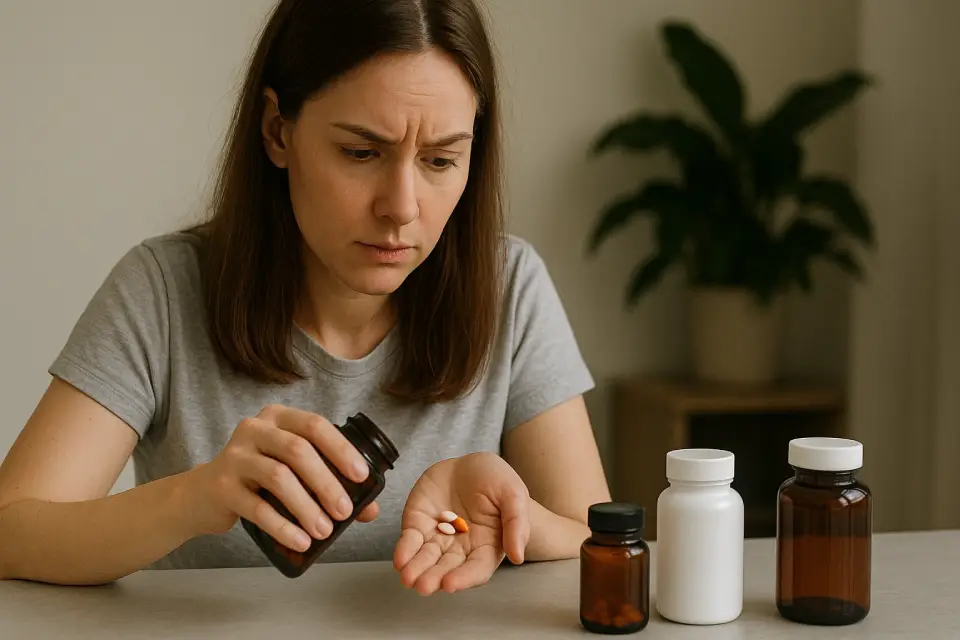
The Science Behind Supplement Interactions {#science}
Types of Supplement Interactions
Understanding these mechanisms helps predict and prevent problematic combinations:
1. Absorption Competition
When supplements compete for the same absorption pathways:
- Mineral competition: Iron, zinc, and copper use the same transporters
- Fat-soluble vitamins: A, D, E, K can interfere with each other
- Timing matters: Separate competing nutrients by 2+ hours
2. Chemical Antagonism
Direct chemical reactions between supplements:
- Chelation: Minerals binding to each other
- pH changes: Affecting other nutrients' stability
- Oxidation: Certain combinations causing nutrient breakdown
3. Metabolic Interference
Affecting how the body processes nutrients:
- Enzyme competition: Limiting processing capacity
- Transporter saturation: Overwhelming absorption mechanisms
- Synergistic depletion: One nutrient consuming another
Research Findings on Absorption
| Interaction Type | Absorption Impact | Clinical Significance |
|---|---|---|
| Calcium + Iron | 50% reduction in iron | May worsen iron deficiency |
| Zinc + Copper | 70% reduction in copper | Can cause copper deficiency |
| Magnesium + Phosphorus | 40% reduction in magnesium | Affects muscle/bone health |
| Vitamin C + Iron | 300% increase in iron | Beneficial interaction |
Critical Supplement Interactions to Know {#critical-interactions}
1. Calcium and Iron: The Classic Conflict
Why it happens: Both minerals use the same transporter (DMT1) for absorption.
Impact on Health
| Supplement | Dosage | Alone Absorption | Together Absorption | Loss (%) |
|---|---|---|---|---|
| Iron | 18mg | 15-18% | 7-9% | 50% |
| Calcium | 500mg | 25-35% | 20-25% | 20% |
Solution strategies:
- Take iron in the morning, calcium at night
- Separate by at least 2 hours
- Consider calcium citrate (better absorption)
- Add vitamin C with iron for enhanced absorption
2. Magnesium and Zinc: Mineral Competition
The mechanism: Both compete for absorption and affect each other's uptake.
Recommended Ratios and Timing
| Mineral | Optimal Dosage | Best Time | Notes |
|---|---|---|---|
| Magnesium | 300-400mg | Evening | Aids sleep |
| Zinc | 8-15mg | Morning (empty stomach) | Away from fiber |
| Combined ratio | 10:1 Mg:Zn | Various products | Look for balanced formulas |
Clinical consequences:
- High magnesium can reduce zinc absorption by 30-40%
- Excess zinc depletes magnesium stores
- Both deficiencies affect immune function
3. Vitamin K and Blood Thinners: A Dangerous Mix
Critical warning: This interaction can be life-threatening.
Understanding the Mechanism
- Vitamin K: Essential for blood clotting factor production
- Warfarin/blood thinners: Block vitamin K recycling
- Interaction: Additional vitamin K can reduce drug effectiveness
What to watch:
- INR changes in warfarin users
- Unexpected bruising or bleeding
- Blood clot risks if interaction not managed
4. B-Vitamin Complex Imbalances
B vitamins compete for absorption and can create deficiencies:
| B-Vitamin | Competes With | Result of Imbalance |
|---|---|---|
| B6 | B1, B2 | Neurological symptoms |
| Folate | B12 | Masked B12 deficiency |
| B12 | Folate, Vitamin C | Absorption interference |
Most Common Problematic Combinations {#common-combinations}
Top 10 Supplement Interactions
| Combination | Issue | Solution |
|---|---|---|
| Calcium + Iron | 50% reduced iron absorption | Separate by 2+ hours |
| Zinc + Copper | Copper deficiency risk | Balanced formulas or spacing |
| Magnesium + Fluoride | Reduced fluoride effectiveness | Don't combine |
| Fat-soluble vitamins (A,D,E,K) | Competition for absorption | Split doses throughout day |
| B6 + Carbidopa (Parkinson's med) | Reduced drug effectiveness | Medical supervision required |
| Vitamin E + Anticoagulants | Increased bleeding risk | Monitor blood clotting |
| St. John's Wort + Many drugs | Reduced drug levels | Avoid combination |
| Iron + TEA/Coffee | 60% reduced iron absorption | Take iron 1 hour before |
| Calcium + Thyroid medication | Reduced thyroid absorption | 4-hour separation minimum |
| High-dose Vitamin C + Iron | Enhanced absorption (beneficial) | Can combine strategically |
Supplement Combinations That Work Well
| Beneficial Combination | Synergistic Effect | Mechanism |
|---|---|---|
| Vitamin D + Magnesium | Enhanced D activation | Magnesium needed for enzyme |
| Vitamin C + Iron | 300% better absorption | Reduces iron to absorbable form |
| Calcium + Vitamin D + K2 | Better bone health | Complete bone support |
| B-Complex + Magnesium | Better stress response | Cofactor relationships |
| Omega-3 + Fat-soluble vitamins | Improved absorption | Fat needed for uptake |
Medication-Supplement Interactions {#medication-interactions}
Critical Drug-Supplement Interactions
Anticoagulants and Supplements
| Drug | Interacting Supplements | Risk Level | Management |
|---|---|---|---|
| Warfarin | Vitamin K, Green tea, Ginkgo | High | Regular monitoring |
| Aspirin | Omega-3, Ginkgo, Garlic | Medium | Medical supervision |
| Clopidogrel | St. John's Wort, Turmeric | High | Avoid combination |
Diabetes Medications
| Drug Class | Supplement | Effect | Recommendation |
|---|---|---|---|
| Metformin | B12, CoQ10 | Potential depletion | Monitor levels |
| Insulin | Chromium, Cinnamon | Blood sugar effects | Careful monitoring |
| Sulfonylureas | Bitter melon, Gymnema | Enhanced glucose lowering | Medical guidance |
Blood Pressure Medications
- ACE inhibitors + Potassium: Risk of hyperkalemia
- Diuretics + Magnesium: Potential depletion
- Beta-blockers + CoQ10: May reduce side effects
Interaction Assessment Tools
| Tool | Type | Cost | Features |
|---|---|---|---|
| Drugs.com Interaction Checker | Online | Free | Drugs + supplements |
| Medscape Drug Checker | Online/App | Free | Professional-grade |
| Natural Medicines Database | Online | Subscription | Evidence-based |
| Lexi-Interact | Professional | Paid | Hospital-grade |
Safe Supplement Timing Strategies {#timing-strategies}
Optimal Timing for Common Supplements
Morning Supplements
- B-Complex: Energy support
- Iron (empty stomach): Best absorption
- Zinc (empty stomach): Optimal uptake
- Vitamin D: Can interfere with sleep if taken late
Evening Supplements
- Magnesium: Promotes relaxation
- Calcium: When away from iron
- Melatonin: Sleep support
- Probiotics: Some strains benefit from cooler temperatures
With/Without Food
| Supplement | Food Requirement | Reason |
|---|---|---|
| Fat-soluble vitamins | With fat | Absorption requires fat |
| Iron | Empty stomach ideal | Food reduces absorption |
| B12 | Empty stomach | Better absorption |
| Calcium carbonate | With food | Acid needed for absorption |
| Calcium citrate | Anytime | Don't need acid |
Creating a Spacing Schedule
Example schedule to avoid interactions:
- 7 AM: Iron + Vitamin C
- 9 AM: B-Complex after breakfast
- 12 PM: Lunch with fat-soluble vitamins
- 6 PM: Dinner
- 9 PM: Magnesium + Calcium
Professional Resources and Tools {#resources}
Healthcare Professional Roles
Pharmacists
- Drug interaction expertise
- Supplement counseling
- Medication timing optimization
- Safety monitoring
Registered Dietitians
- Nutritional assessment
- Supplement need evaluation
- Food-drug interactions
- Personalized recommendations
Physicians/NPs
- Medical condition consideration
- Prescription monitoring
- Blood work interpretation
- Risk-benefit analysis
Digital Health Tools
Recommended Apps
| App Name | Platform | Rating | Key Features | Price |
|---|---|---|---|---|
| MyMedList | iOS/Android | 4.9★ | Interaction checker, reminders | Free |
| GoodRx | iOS/Android | 4.8★ | Drug interactions, pricing | Free |
| Supplements Guide | iOS/Android | 4.7★ | Timing recommendations | $4.99 |
| Pill Identifier | iOS/Android | 4.6★ | Identify unknown supplements | Free |
Laboratory Testing
Monitoring for supplement interactions:
- Vitamin D levels: 25(OH)D test
- B12 status: Methylmalonic acid
- Iron status: Ferritin, TIBC
- Mineral ratios: Zinc/copper ratios
Testing Schedule Recommendations
| Test | Frequency | Cost Range |
|---|---|---|
| Vitamin D | Every 6 months | $50-80 |
| B12 | Annually | $100-150 |
| Comprehensive metabolic panel | Annually | $50-100 |
| Lipid panel | Based on risk | $25-50 |
Case Studies: Real-World Examples {#case-studies}
Case 1: Iron Deficiency Mystery
Patient: Sarah, 34, vegetarian experiencing fatigue
Situation: Taking iron supplements with calcium-rich smoothies
- Daily routine: Iron with almond milk
- Symptoms persisted despite supplementation
- Iron levels remained low
Solution:
- Separated iron from calcium by 3 hours
- Added vitamin C to iron dose
- Results: Iron levels normalized in 6 weeks
Lesson: Timing matters more than dosage sometimes
Case 2: Warfarin Complications
Patient: Robert, 68, on blood thinners
Situation: Started high-dose vitamin K for bone health
- INR became unstable
- Bleeding risk increased
- Emergency room visit
Solution:
- Discontinued vitamin K supplement
- Worked with hematologist
- Gradual reintroduction under monitoring
Lesson: Some interactions are life-threatening
Case 3: B-Vitamin Imbalance
Patient: Lisa, 45, high-stress job
Situation: Taking individual B vitamins in high doses
- B6 megadoses (100mg)
- Developed peripheral neuropathy
- Other B vitamins became depleted
Solution:
- Switched to balanced B-complex
- Gradual B6 reduction
- Symptoms improved in 3 months
Lesson: Balance matters with B vitamins
Solo vs. Combined Supplementation {#comparison}
Individual vs. Multi-Supplement Approaches
| Approach | Pros | Cons | Best For |
|---|---|---|---|
| Individual supplements | Precise dosing, targeted therapy | More pills, interaction complexity | Specific deficiencies |
| Multi-vitamins | Convenient, balanced ratios | Fixed combinations, lower doses | General health maintenance |
| Condition-specific blends | Synergistic formulas | Less customizable | Specific health goals |
Cost-Benefit Analysis
Individual Supplements
Average monthly cost: $50-150
- Pros: Maximum flexibility
- Cons: Requires more knowledge
Quality Multi-Vitamins
Average monthly cost: $15-40
- Pros: Convenience, balanced formulas
- Cons: May not meet individual needs
Professional Formulations
Average monthly cost: $80-200
- Pros: Research-based, practitioner-guided
- Cons: Higher cost, prescription needed
Building Your Safe Supplementation Plan {#action-plan}
Step 1: Assessment Phase (Week 1)
- List all current supplements and medications
- Identify current symptoms and health goals
- Get baseline blood work
- Research potential interactions
Step 2: Planning Phase (Week 2)
- Create spacing schedule
- Identify necessary separations
- Choose quality brands
- Set realistic expectations
Step 3: Implementation Phase (Weeks 3-4)
- Start with core supplements
- Monitor for side effects
- Track energy and symptoms
- Adjust timing as needed
Step 4: Monitoring Phase (Ongoing)
- Regular blood work
- Symptom tracking
- Professional consultations
- Adjust based on results
Essential Safety Checklist
- [ ] Consult healthcare provider before starting
- [ ] Use interaction checking tools
- [ ] Start one supplement at a time
- [ ] Keep detailed records
- [ ] Monitor for side effects
- [ ] Get regular blood work
- [ ] Read all labels carefully
- [ ] Store supplements properly
Expert Recommendations {#expert-advice}
Dr. Mark Hyman, Functional Medicine Expert
“The key to safe supplementation is understanding that more isn't always better. Start with the basics—a quality multi-vitamin, omega-3s, and vitamin D—then add specific nutrients based on individual testing and needs.”
Dr. Tieraona Low Dog, Integrative Medicine Physician
“I tell patients to think of supplements like they would medications. Each one has the potential to interact with others. Always inform all healthcare providers about every supplement you take.”
Dr. Josh Axe, Clinical Nutritionist
“Timing and quality matter as much as the nutrients themselves. A cheap supplement taken at the wrong time can be less effective than no supplement at all.”
Clinical Pharmacist Recommendations
- Start slowly: Introduce one supplement at a time
- Quality matters: Choose third-party tested products
- Timing is crucial: Separate competing nutrients
- Monitor closely: Watch for unexpected effects
- Communicate: Keep all providers informed
Conclusion: Informed Supplementation {#conclusion}
Supplement interactions represent one of the most overlooked aspects of nutritional health. While supplements can be powerful tools for optimizing health, their benefits can be significantly diminished—or even dangerous—when interactions aren't properly managed.
The key takeaways for safe supplementation include:
- Education is essential: Understanding how supplements interact empowers safer choices
- Timing matters: Proper spacing can eliminate most negative interactions
- Professional guidance: Healthcare providers can help navigate complex situations
- Quality counts: Third-party tested supplements reduce contamination risks
- Monitoring is crucial: Regular blood work identifies problems early
- Less can be more: Focused supplementation often outperforms random combinations
Remember: The goal isn't to avoid all supplements but to use them intelligently. By understanding supplement interactions, spacing doses appropriately, and working with healthcare professionals, you can safely harness the benefits of supplements while avoiding dangerous combinations.
Start today by listing your current supplements and checking for potential interactions using reliable tools. Your future self will thank you for taking this proactive approach to supplement safety.
Resources for Continued Learning
- Natural Medicines Database – Professional interaction checker
- ConsumerLab.com – Independent supplement testing
- FDA Dietary Supplement Database – Official regulations and safety
- Institute for Functional Medicine – Practitioner directory and education
Safe supplementation is informed supplementation. Take control of your health by understanding what you're putting in your body and how different supplements work together.
Medical Disclaimer: This information is for educational purposes only and should not replace professional medical advice. Always consult healthcare providers before starting, stopping, or changing any supplements, especially if you have medical conditions or take medications.

Dr. Ryan Cooper is a physician affiliated with Duke University and Duke University Health System. He specializes in internal medicine and serves as an intern within the Department of Medicine. His education includes medical training at Drexel University College of Medicine, followed by residency at Penn State Hershey Medical Center. Dr. Cooper is board-certified by the American Board of Internal Medicine and is a member of professional organizations such as the American College of Physicians and the Society of Hospital Medicine. His research includes publications on acute kidney injury and renal oxalosis, emphasizing his expertise in internal medicine and nephrology.