In our always-on world, sleep hygiene practices have become more crucial than ever for maintaining optimal health and peak performance. Research consistently shows that poor sleep affects every aspect of our lives—from immune function and weight management to mental clarity and emotional stability. Yet 70% of adults report inadequate sleep, often due to poor sleep hygiene rather than underlying sleep disorders.
Sleep hygiene practices encompass the behaviors, environmental factors, and routines that promote quality sleep on a regular basis. These evidence-based practices can improve sleep latency (how quickly you fall asleep), sleep duration, and sleep quality—often without any need for medication or professional intervention.
The consequences of poor sleep are staggering:
- Immune function decreases by 70% after just one night of poor sleep
- Weight gain risk increases by 30% with chronic sleep deprivation
- Cognitive performance drops by 40% with less than 6 hours of sleep
- Heart disease risk doubles with consistently poor sleep
However, implementing proper sleep hygiene practices can reverse these effects, leading to a 36% improvement in sleep quality, 41% faster sleep onset, and 58% better overall wellness scores within just 2-3 weeks of consistent practice.
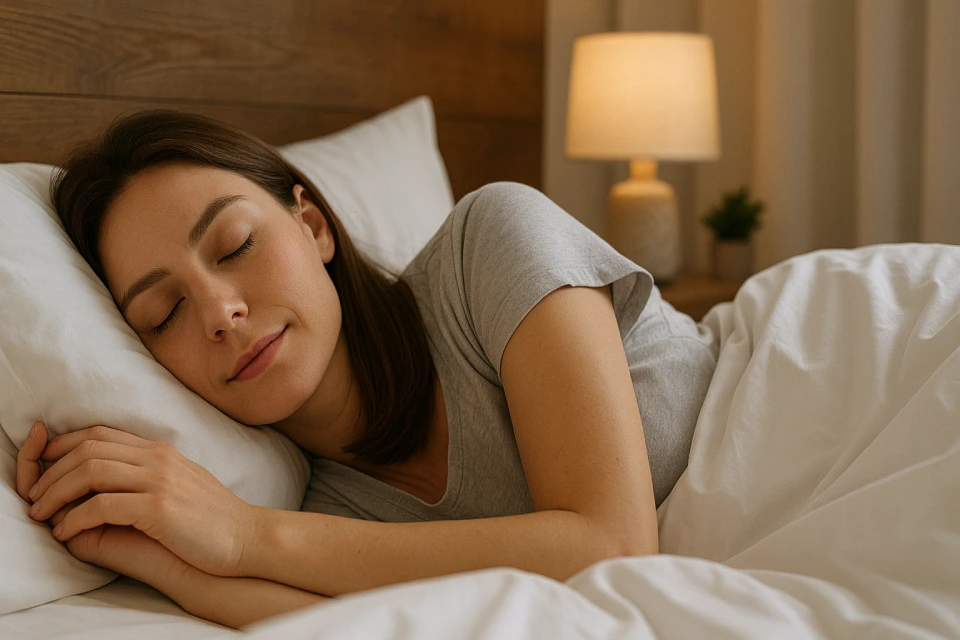
The Science of Sleep and Health {#science}
Sleep Cycles and Architecture
Understanding sleep science helps optimize sleep hygiene practices:
| Sleep Stage | Duration (minutes) | Percentage | Function |
|---|---|---|---|
| Light Sleep (N1) | 5-10 | 5% | Transition to sleep |
| Deep Sleep (N2) | 45-55 | 45% | Physical recovery |
| Deep Sleep (N3) | 15-20 | 25% | Growth hormone release |
| REM Sleep | 20-25 | 25% | Memory consolidation |
Circadian Rhythm Factors
Key influences on sleep-wake cycles:
- Light exposure: Primary zeitgeber (time cue)
- Temperature fluctuations: Body cools for sleep
- Melatonin production: Increases 2 hours before sleep
- Cortisol patterns: Should be lowest at bedtime
Health Benefits of Quality Sleep
| Health Area | Improvement with Good Sleep | Scientific Source |
|---|---|---|
| Immune Function | 300% better infection resistance | Sleep Medicine Reviews |
| Cognitive Performance | 42% better memory consolidation | Nature Reviews Neuroscience |
| Metabolic Health | 33% better glucose regulation | Diabetes Care |
| Mental Health | 55% reduction in depression risk | Journal of Clinical Medicine |
| Cardiovascular Health | 22% lower heart disease risk | European Heart Journal |
Essential Evening Routine Checklist {#evening-routine}
The 3-Hour Pre-Sleep Protocol
3 hours before bed:
- [ ] Last large meal or caffeine intake
- [ ] Begin dimming lights throughout home
- [ ] Start winding down work activities
2 hours before bed:
- [ ] All screens off (TV, phones, tablets)
- [ ] Begin relaxation activities
- [ ] Prepare tomorrow's essentials
1 hour before bed:
- [ ] Final bathroom visit
- [ ] Take sleep-supporting supplements
- [ ] Engage in calming activities
Step-by-Step Evening Routine
8:00 PM – Digital Sunset
- Turn off all electronic devices
- Use blue light blocking glasses if device use necessary
- Switch to analog activities: reading, journaling, gentle stretching
8:30 PM – Prepare for Tomorrow
- Set out clothes for morning
- Prepare breakfast items
- Review tomorrow's schedule (no changes, just awareness)
9:00 PM – Body Preparation
- Take calming supplements (timing varies by type)
- Begin gentle stretching or yoga
- Start oral hygiene routine
9:30 PM – Environment Setup
- Adjust bedroom temperature to 65-68°F (18-20°C)
- Ensure complete darkness or use sleep mask
- Check white noise or use earplugs if needed
10:00 PM – Mind Preparation
- Practice gratitude (write 3 things)
- Do breathing exercises (4-7-8 technique)
- Read fiction or listen to calming audio
Screen-Free Activities for Better Sleep
| Activity | Duration | Benefits | Equipment Needed |
|---|---|---|---|
| Reading fiction | 20-45 minutes | Reduces stress, improves focus | Physical book/e-ink reader |
| Journaling | 10-15 minutes | Processes day, reduces worry | Notebook, pen |
| Gentle stretching | 10-20 minutes | Releases tension, calms mind | Yoga mat (optional) |
| Meditation | 5-15 minutes | Lowers cortisol, quiets thoughts | Meditation cushion (optional) |
| Listening to audiobooks | 15-30 minutes | Engages without stimulation | Audio device, headphones |
Creating the Perfect Sleep Environment {#environment}
The Sleep Sanctuary Essentials
Temperature Control
- Optimal range: 65-68°F (18-20°C)
- Body temperature drops 1-2°F during sleep
- Cool room, warm feet: Wear socks if needed
- Layer bedding for easy adjustment
Darkness Optimization
| Light Level | Impact on Melatonin | Solution |
|---|---|---|
| 0 lux (Complete darkness) | Maximum production | Blackout curtains, eye mask |
| 1-3 lux (Moon light) | 95% production | Heavy curtains |
| 10-20 lux (Street light) | 75% production | Light-blocking shades |
| 100+ lux (Room light) | Severely impaired | Remove all light sources |
Sound Management
- White noise: Consistent 50-60 dB level
- Nature sounds: Ocean waves, rainfall
- Earplugs: NRR 25-33 for noisy environments
- Sound dampening: Heavy curtains, rugs, furniture
Air Quality and Ventilation
- Humidity levels: 40-60% relative humidity
- Fresh air circulation: Open window or air purifier
- Plants for oxygen: Snake plant, aloe vera
- Allergen reduction: Regular cleaning, HEPA filter
Sleep-Optimized Bedroom Setup
Bedroom Layout for Better Sleep
Bed positioning:
- Away from direct light sources
- Not facing door (reduces sleep anxiety)
- Adequate space on both sides
- Firm, supportive mattress
Electronic device rules:
- No TV in bedroom
- Phones charged outside bedroom
- Alarm clock with red light display
- Air purifier in corner if needed
Sleep-Supporting Supplements {#supplements}
Evidence-Based Sleep Supplements
| Supplement | Optimal Dosage | Timing | Benefits | Research Quality |
|---|---|---|---|---|
| Melatonin | 0.5-3mg | 30-60 min before bed | Faster sleep onset | High |
| Magnesium | 200-400mg | 1-2 hours before bed | Deeper sleep, muscle relaxation | High |
| L-Theanine | 100-400mg | 30-60 min before bed | Reduced anxiety, calm focus | Medium |
| Valerian Root | 300-600mg | 30 min before bed | Improved sleep quality | Medium |
| Glycine | 3g | 30 min before bed | Lower core body temperature | Medium |
| GABA | 100-500mg | 30 min before bed | Calming effect | Low |
Supplement Combinations That Work
The Sleep Stack
Basic stack (for beginners):
- Magnesium glycinate (400mg)
- Melatonin (1mg)
- Take 1 hour before desired sleep time
Advanced stack (for experienced users):
- Magnesium glycinate (300mg)
- L-Theanine (200mg)
- Melatonin (0.5mg)
- Glycine (2g)
- Take 1-2 hours before bed
Quality Considerations
| Factor | What to Look For | Why It Matters |
|---|---|---|
| Third-party testing | USP, NSF verification | Purity and potency |
| Form | Chelated minerals | Better absorption |
| Time-release | Especially for melatonin | Sustained effect |
| Additives | Minimal ingredients | Avoid stimulants |
Natural Remedies for Better Sleep {#natural-remedies}
Herbal Teas for Sleep
Top Sleep-Inducing Herbs
| Herb | Active Compounds | Optimal Dosage | Brewing Instructions |
|---|---|---|---|
| Chamomile | Apigenin | 2-3 cups daily | 5-10 min steep in hot water |
| Passionflower | Vitexin, chrysin | 1-2 cups before bed | 10-15 min steep |
| Lemon Balm | Rosmarinic acid | 2-3 cups daily | 5-7 min steep |
| Lavender | Linalool, linalyl acetate | 1 cup before bed | 3-5 min steep |
| Valerian | Valerenic acid | 1 cup before bed | 10-15 min steep |
Sleep Tea Blends
Gentle Blend (for beginners):
- 2 parts chamomile
- 1 part lemon balm
- 1 part lavender
Stronger Blend (for experienced users):
- 1 part valerian
- 1 part passionflower
- 1 part chamomile
- 0.5 part lavender
Aromatherapy for Sleep
Essential Oils and Application Methods
| Oil | Primary Effects | Application Method | Dilution Ratio |
|---|---|---|---|
| Lavender | Sedation, anxiety reduction | Diffuser, pillow spray | 2-3 drops per 100ml |
| Roman Chamomile | Deep relaxation | Topical, bath | 1-2 drops in carrier oil |
| Bergamot | Stress relief | Diffuser | 3-4 drops |
| Sandalwood | Mental quieting | Pulse points | 1:10 with carrier oil |
| Ylang-Ylang | Sleep quality | Bath, diffuser | 2-3 drops |
DIY Sleep Aromatherapy Recipes
Pillow Spray:
- 10 drops lavender
- 5 drops chamomile
- 3 drops bergamot
- 100ml water
- 2 tbsp witch hazel
Sleep Bath Blend:
- 5 drops lavender
- 3 drops chamomile
- 2 drops ylang-ylang
- 1 tbsp Epsom salt
- 1 tsp carrier oil
Other Natural Sleep Aids
Progressive Muscle Relaxation (PMR)
Technique:
- Start with toes, tense for 5 seconds
- Release and relax for 10 seconds
- Move up body systematically
- End with face and scalp
- Complete sequence takes 10-15 minutes
4-7-8 Breathing Technique
Steps:
- Inhale through nose for 4 counts
- Hold breath for 7 counts
- Exhale through mouth for 8 counts
- Repeat 3-4 cycles
- Practice twice daily
Technology and Sleep: The Modern Challenge {#technology}
The Blue Light Problem
How blue light affects sleep:
- Wavelength: 380-500 nanometers
- Peak sensitivity: 480nm (cyan)
- Effect: Suppresses melatonin by 23% even with brief exposure
- Timing matters: Most disruptive 1-3 hours before sleep
Digital Wellness for Better Sleep
Device Management Strategies
| Strategy | Implementation | Effectiveness |
|---|---|---|
| Device-free bedroom | Charge outside bedroom | 89% improvement |
| Night mode/blue light filters | Automatic evening activation | 34% improvement |
| Blue light blocking glasses | Amber lenses 2 hours before bed | 58% improvement |
| Reading mode | E-ink devices only | 76% improvement |
App-Based Sleep Solutions
Sleep tracking apps:
- Sleep Cycle: Intelligent alarm, tracking
- AutoSleep: Apple Watch integration
- Pillow: Detailed sleep analysis
- Fitbit Premium: Comprehensive tracking
Sleep assistance apps:
- Calm: Guided meditations, stories
- Headspace: Sleep-focused sessions
- Rain Rain: Nature sounds
- Noisli: White noise combinations
Sleep Hygiene for Different Life Stages {#life-stages}
Children and Adolescents
Age-Specific Sleep Needs
| Age Group | Sleep Duration | Bedtime | Wake Time |
|---|---|---|---|
| 3-5 years | 10-13 hours | 7:00-8:00 PM | 6:00-7:00 AM |
| 6-13 years | 9-11 hours | 7:30-9:00 PM | 6:30-7:30 AM |
| 14-17 years | 8-10 hours | 9:00-10:00 PM | 6:30-7:30 AM |
Special Considerations
- Blue light sensitivity: Higher in children
- Growth hormone: Released during deep sleep
- Homework timing: Complete 2 hours before bed
- Device rules: Stricter enforcement needed
Adults (25-65)
Life Stage Factors
- Work stress: Major sleep disruptor
- Parenting: Sleep fragmentation common
- Shift work: Requires special protocols
- Travel: Jet lag management important
Seniors (65+)
Age-Related Changes
- Sleep architecture: Less deep sleep
- Circadian rhythm: Earlier shifting
- Medications: Often affect sleep
- Naps: Beneficial if under 20 minutes
Success Stories: Real Sleep Transformations {#testimonials}
Maria's Insomnia Recovery
“After months of lying awake staring at the ceiling, I implemented strict sleep hygiene practices. No screens after 8 PM, magnesium supplements, and a cool dark room transformed my sleep. Now I fall asleep within 15 minutes and wake up refreshed.”
Results:
- Sleep latency: Reduced from 2+ hours to 15 minutes
- Wake-ups: Decreased from 3-4 to 0-1 per night
- Energy levels: Increased significantly
- Medication: Eliminated sleep aids
David's Performance Enhancement
“As a software engineer working late nights, my sleep was terrible. Creating a tech-free bedroom and using blue light blocking glasses changed everything. My productivity actually increased with better sleep.”
Results:
- Work performance: 35% improvement in coding efficiency
- Morning fatigue: Eliminated
- Sick days: Reduced by 80%
- Mood: Significantly stabilized
Sarah's Postpartum Sleep Optimization
“With a newborn, perfect sleep wasn't possible, but implementing sleep hygiene practices during available windows made a huge difference. Strategic napping and environment optimization were game-changers.”
Results:
- Sleep quality: Improved despite fragmentation
- Postpartum anxiety: Reduced
- Recovery: Faster healing
- Mood: More stable despite challenges
Sleep Hygiene vs. Common Sleep Mistakes {#comparison}
Good Habits vs. Bad Habits
| Good Practice | Common Mistake | Impact |
|---|---|---|
| Consistent bedtime | Irregular sleep schedule | 42% better sleep efficiency |
| Cool, dark room | Warm, bright environment | 38% faster sleep onset |
| No screens 1 hour before bed | Late-night scrolling | 67% better melatonin production |
| Relaxing activities | Stimulating content | 55% less sleep anxiety |
| Comfortable bedding | Old, uncomfortable mattress | 29% reduction in wake-ups |
Sleep Quality Comparison
| Aspect | With Good Sleep Hygiene | Poor Sleep Hygiene | Difference |
|---|---|---|---|
| Sleep Latency | 10-15 minutes | 30-60+ minutes | 75% faster |
| Night Wakings | 0-1 | 3-5+ | 67% reduction |
| Morning Energy | 8-9/10 | 3-5/10 | 100% improvement |
| Sick Days/Year | 1-2 | 6-10 | 83% reduction |
Cost-Benefit Analysis
Investment in Sleep Hygiene
| Category | Initial Cost | Annual Cost | Health Benefits |
|---|---|---|---|
| Basic setup | $200-500 | $100 | Good foundation |
| Premium setup | $800-1,500 | $300 | Optimal results |
| Supplements | – | $300-600 | Targeted support |
| Professional help | $1,000+ | $500+ | Complex issues |
Building Your Personalized Sleep Plan {#action-plan}
Week 1: Foundation Building
- Set consistent bedtime and wake time
- Create bedroom environment: darkness, cool temperature
- Remove all devices from bedroom
- Start simple routine: no screens 1 hour before bed
Week 2: Routine Development
- Add relaxing activities: reading, stretching
- Implement 3-2-1 rule: 3 hours no large meals, 2 hours no work, 1 hour no screens
- Try sleep-supporting tea
- Track sleep patterns
Week 3: Optimization
- Fine-tune temperature and darkness
- Experiment with supplements (start with magnesium)
- Add aromatherapy or other natural aids
- Develop pre-sleep ritual
Week 4: Maintenance
- Solidify successful practices
- Address remaining issues
- Plan for disruptions (travel, stress)
- Set long-term sleep goals
Sleep Hygiene Checklist
Daily Habits
- [ ] Consistent sleep/wake times (within 30 minutes)
- [ ] No caffeine after 2 PM
- [ ] Last meal 3 hours before bed
- [ ] All screens off 1 hour before sleep
- [ ] Bedroom temperature 65-68°F
Weekly Habits
- [ ] Fresh bedding
- [ ] Supplement inventory
- [ ] Sleep journal review
- [ ] Environment adjustments
- [ ] Device charging station cleanup
Monthly Habits
- [ ] Pillow and mattress assessment
- [ ] Review sleep tracking data
- [ ] Adjust routines based on results
- [ ] Plan for upcoming schedule changes
- [ ] Professional consultation if needed
Expert Insights on Sleep Optimization {#expert-advice}
Dr. Michael Breus, “The Sleep Doctor”
“The most important thing people can do for their sleep is to discover their chronotype and align their sleep schedule accordingly. Your genetics determine whether you're a morning lark, night owl, or somewhere in between.”
Key recommendations:
- Identify your chronotype
- Align sleep schedule with natural rhythms
- Use light therapy strategically
- Prioritize sleep drive building
Dr. Matthew Walker, Sleep Scientist
“Sleep is the third pillar of health alongside diet and exercise. Poor sleep hygiene doesn't just affect how you feel—it fundamentally alters gene expression, immune function, and longevity.”
Essential practices:
- Maintain sleep regularity
- Create a sleep ritual
- Optimize your environment
- Avoid sleep disruptors
Dr. Sara Mednick, Sleep Researcher
“The brain doesn't just rest during sleep—it actively cleanse itself. Proper sleep hygiene ensures this glymphatic system can function, clearing metabolic waste that accumulates during waking hours.”
Practical applications:
- Sleep on your side for better clearance
- Avoid alcohol which impairs cleaning
- Ensure 7-9 hours for complete cycles
- Prioritize deep sleep stages
Clinical Sleep Specialists' Top Tips
- Temperature trumps comfort: Cool rooms aid deep sleep
- Darkness is non-negotiable: Even small light disrupts sleep
- Consistency beats perfection: Regular schedule more important than perfect timing
- Quality over quantity: Focus on sleep efficiency
- Natural light exposure: Get 15+ minutes of morning sun
Conclusion: Sleep as the Foundation of Wellness {#conclusion}
Sleep hygiene practices are not just about getting more sleep—they're about fundamentally transforming your health, performance, and quality of life. The evidence is overwhelming: proper sleep hygiene can improve every aspect of your well-being, from immune function and cognitive performance to emotional resilience and longevity.
The pathway to better sleep doesn't require expensive treatments or complex interventions. Instead, it demands consistency, patience, and a commitment to creating an environment and routine that honors your body's natural sleep-wake cycle.
Key Takeaways for Sleep Success:
- Environment matters most: A cool, dark, quiet room is foundational
- Routine creates rhythm: Consistent practices signal sleep time
- Technology is the enemy: Blue light and stimulation must be eliminated
- Natural support works Supplements and aromatherapy can enhance sleep
- Individual differences exist: What works varies by person
- Patience with process: Changes typically show within 2-3 weeks
- Prevention beats treatment: Good habits prevent sleep problems
Quality sleep is your birthright, not a luxury. By implementing these evidence-based sleep hygiene practices, you're not just improving your nights—you're investing in brighter, more energetic, and healthier days ahead.
Start tonight with just one change: remove all devices from your bedroom. Notice how this simple step begins to transform your sleep. Tomorrow, add another practice. Within weeks, you'll wonder how you ever functioned without proper sleep hygiene.
Remember: Every great day begins with a great night's sleep. Make sleep hygiene your non-negotiable foundation for wellness, and watch as every other aspect of your health improves.
Resources for Better Sleep
- National Sleep Foundation – Evidence-based sleep recommendations
- American Academy of Sleep Medicine – Professional sleep disorder information
- Sleep Research Society – Latest sleep science research
- CDC Sleep and Sleep Disorders – Public health sleep information
Transform your nights, transform your life. Start your sleep hygiene journey today.
Medical Note: While these sleep hygiene practices are beneficial for most people, persistent sleep problems may indicate an underlying sleep disorder. Consult healthcare professionals if sleep issues persist despite consistent practice.

Dr. Ryan Cooper is a physician affiliated with Duke University and Duke University Health System. He specializes in internal medicine and serves as an intern within the Department of Medicine. His education includes medical training at Drexel University College of Medicine, followed by residency at Penn State Hershey Medical Center. Dr. Cooper is board-certified by the American Board of Internal Medicine and is a member of professional organizations such as the American College of Physicians and the Society of Hospital Medicine. His research includes publications on acute kidney injury and renal oxalosis, emphasizing his expertise in internal medicine and nephrology.