People are actively searching for a reliable Pineal Guardian review because the internet is flooded with aggressive advertisements promising to decalcify the brain and unlock the “third eye.” If you are feeling chronically fatigued, dealing with brain fog, or struggling with sleep, the idea of a simple liquid detox drop sounds incredibly appealing. But wellness marketing often outpaces actual science.
This review checks ingredients, evidence, side effects, reviews, pricing, and scam concerns to give you the unvarnished truth. We cut through the mystical branding to evaluate the actual contents of the bottle. Before you spend your money on a product promising spiritual clarity and deep sleep, you need to know exactly what clinical data-if any-supports these claims.
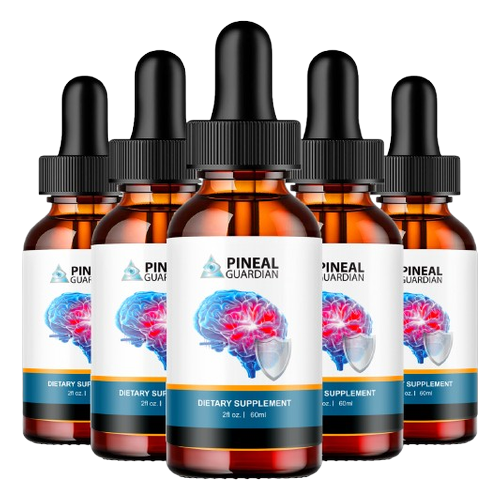

| Metric | Details |
| Verdict | Cautious / Not Recommended |
| Best For | Alternative wellness enthusiasts comfortable with unverified formulas |
| Not Best For | Individuals demanding clinically proven, transparently dosed sleep aids |
| Evidence Level | Weak (No human clinical trials exist for the full formula) |
| Price Per Serving | Approximately $2.30 per day ($69 per individual bottle) |
| Side-Effect Risk | Moderate (Potential for thyroid disruption from hidden iodine dosages) |
| Refund Policy | 60-day money-back guarantee (Valid only via the official website) |
| Third-Party Testing | Unknown (Certificates of Analysis are not publicly accessible) |
What Is Pineal Guardian?
Pineal Guardian is an over-the-counter liquid dietary supplement marketed to people seeking cognitive enhancement, better sleep, and spiritual wellness. Sold in a tincture bottle with a dropper, it is designed for sublingual use (dropped under the tongue), which the brand claims allows for faster absorption than traditional capsules.
The product targets consumers who believe their pineal gland is blocked or “calcified” by everyday environmental toxins like fluoride and heavy metals. The seller claims this liquid formula detoxifies the body, flushes out these metals, restores natural melatonin production, and improves overall mental clarity. While heavily marketed in holistic and alternative health spaces as a profound brain-support tool, Pineal Guardian remains an unregulated dietary supplement. It is not classified as a drug and is not approved to treat, cure, or prevent insomnia, cognitive decline, or any medical condition.
Pineal Guardian Claims
The manufacturer makes four primary claims to sell this supplement. Let us classify each based on medical reality.
Claim 1: Decalcifies the pineal gland by removing fluoride and heavy metals.
Unsupported. The pineal gland naturally accumulates calcium as humans age. There is no clinical proof that any oral herbal tincture can reverse this biological calcification or specifically target heavy metals in this region of the brain.
Claim 2: Naturally boosts melatonin for deeper sleep.
Partially Supported. The formula contains botanical extracts that reduce systemic inflammation, which can indirectly aid relaxation. However, it does not supply direct melatonin, nor does it guarantee increased hormonal production.
Claim 3: Activates the “third eye” and promotes spiritual awakening.
Unsupported. This is purely a marketing claim based on spiritual traditions. It cannot be measured, tested, or validated by clinical science.
Claim 4: Reduces brain fog and enhances mental clarity.
Partially Supported. Select ingredients in the blend possess known antioxidant properties that generally support brain health. However, the specific formula lacks peer-reviewed trials confirming it eliminates brain fog.
Company Behind Pineal Guardian
Transparency regarding the company behind Pineal Guardian is extremely low. The primary sales pages do not prominently display a verifiable corporate headquarters, a parent company name, or background information on the formulators.
The website states the product is manufactured in an FDA-registered, GMP-compliant facility in the United States. However, consumers should know that the FDA does not approve dietary supplements for safety or effectiveness before they are sold. A GMP certification merely means the factory follows basic sanitation and manufacturing protocols. The brand claims to utilize third-party testing, but they do not provide accessible Certificates of Analysis (CoAs) to the public. While they do offer a 60-day refund policy, the missing corporate contact details and hidden test results are massive red flags for buyer trust.
Pineal Guardian Ingredients
Pineal Guardian uses a “proprietary blend,” meaning all ingredients are lumped together under a single weight. The label hides the exact milligram dosage of each specific extract.
| Ingredient | Dosage | Claimed Benefit | Evidence Quality | Safety Notes |
| Turmeric (Curcumin) | Not disclosed | Lowers inflammation, supports brain | Moderate | Generally safe; high doses affect digestion. |
| Iodine | Not disclosed | Endocrine support, toxin removal | Limited | High doses risk thyroid disruption. |
| Chlorella | Not disclosed | Binds toxins, supports gut | Weak | Can cause mild bloating initially. |
| MSM | Not disclosed | Reduces joint inflammation | Moderate | Safe; minor digestive upset possible. |
| Boron | Not disclosed | Brain function, mineral metabolism | Limited | Safe at normal dietary levels. |
| Pine Bark Extract | Not disclosed | Antioxidant, improves blood flow | Moderate | Generally well-tolerated. |
Because the exact dosages are hidden, evaluating the true potency is impossible. Turmeric, for instance, requires high doses to reduce inflammation effectively, according to the National Center for Complementary and Integrative Health (NCCIH). If Pineal Guardian under-doses the turmeric, it will not deliver the clinically studied benefits.
Likewise, iodine is essential for the thyroid, but sweeping claims about it decalcifying the pineal gland lack human clinical backing. The algae Chlorella is frequently sold as a detoxifier, yet experts at WebMD note that detox claims are often vastly overstated. While pine bark extract and MSM are excellent general antioxidants, hiding their amounts behind a proprietary label protects the manufacturer’s profit margins, not the consumer’s health.
How Does Pineal Guardian Work?
The manufacturer bases the product’s mechanism on the concept of systemic detoxification. Modern diets and water supplies expose humans to toxins and fluoride, which allegedly pool in the pineal gland-a tiny brain structure responsible for regulating sleep cycles.
According to the marketing, Pineal Guardian attacks this issue in two phases. First, ingredients like chlorella and iodine act as chemical binders, circulating through the bloodstream to attach to heavy metals and flush them out through the digestive tract. Second, anti-inflammatory compounds like turmeric and pine bark extract reduce internal swelling and oxidative stress. By theoretically stripping away the toxic buildup, the pineal gland can resume producing optimal levels of melatonin, leading to restorative sleep and better daytime focus.
While antioxidants absolutely reduce cellular stress, the proof that this specific formula works as described is missing. No scientific data proves this exact liquid blend crosses the blood-brain barrier to physically scrape calcium from the pineal gland. Any sleep improvements users feel likely stem from mild herbal relaxation or the placebo effect, not a neurological detox.
Does Pineal Guardian Really Work? Evidence Review
We grade the clinical evidence for the complete Pineal Guardian formula as Weak.
Currently, zero published human clinical trials test this specific formula. The manufacturer relies entirely on “borrowed science”-citing studies on individual ingredients to prop up the whole product. For example, curcumin has solid research behind it. Studies published on PubMed show it can mitigate neuroinflammation and boost mood. However, clinical trials utilize standardized, high-dose extracts. Because Pineal Guardian obscures its dosages, dose matching is impossible. We cannot verify if the liquid contains enough active curcumin to trigger a biological response.
Furthermore, the foundational premise is scientifically flawed. Pineal gland calcification happens naturally with age. The Mayo Clinic states that sleep disruptions are complex and often linked to stress, screen time, or shifting circadian rhythms. Mainstream neurology does not support the theory that swallowing iodine and chlorella will reverse brain calcification and cure insomnia.
Without third-party lab verification, we cannot confirm the purity of the extracts. The evidence for the individual ingredients supports mild antioxidant benefits, but the evidence for the supplement’s primary marketing claims is wholly insufficient.
Pineal Guardian Pros
- Liquid Format: Sublingual drops are easy to swallow for people who dislike taking large pills.
- Natural Baseline: The ingredients are plant-based extracts and essential trace minerals, not synthetic stimulants.
- Antioxidant Profile: Contains recognized anti-inflammatory agents like pine bark extract.
- Refund Policy: Advertises a 60-day money-back guarantee for direct purchases.
Pineal Guardian Cons
- Proprietary Blend: Hides exact ingredient dosages, preventing potency verification.
- No Clinical Proof: Zero studies prove it decalcifies the pineal gland or awakens the third eye.
- Expensive: At roughly $69 per bottle, it is highly overpriced for basic botanical extracts.
- Corporate Secrecy: Lacks transparent information about company headquarters and formulators.
- No Independent Labs: Fails to provide public Certificates of Analysis for heavy metals or purity.
Pineal Guardian Customer Reviews
Authentic customer feedback for Pineal Guardian is buried under a mountain of affiliate marketing. When looking past the sponsored content to independent forums, the user experience is highly polarized.
Positive patterns usually highlight subtle lifestyle shifts. Some users report feeling more relaxed at night after a few weeks of use, which helps them drift off to sleep faster. A handful of buyers claim they experience slightly less brain fog during their morning routines and appreciate the herbal taste of the drops.
Negative patterns are much more prominent. A vast number of buyers report zero physical or mental changes after finishing a full bottle, labeling it a complete waste of money. Several users complained about mild stomach cramps when taking the drops on an empty stomach. Skeptical buyers should heavily discount glowing testimonials that promise overnight spiritual awakenings, as these closely mirror the brand’s aggressive sales copy.
Pineal Guardian Reviews and Complaints
Analyzing reviews and complaints reveals a frustrating landscape for consumers. The product relies heavily on a network of affiliate marketers who earn commissions for every sale. Consequently, hundreds of fake “review” articles exist solely to push users toward the checkout page.
When isolating real customer complaints, the primary issue is inefficacy. Users who expected profound sleep restoration or relief from chronic brain fog frequently demand refunds when the product fails to deliver. The cost is the second most common grievance; consumers feel duped into paying premium prices for what amounts to a basic multivitamin and herbal tincture.
A smaller but vocal segment of buyers has reported frustrating customer service experiences, noting that getting the company to honor the 60-day money-back guarantee required multiple follow-up emails and threats of credit card chargebacks. Verified reviews on neutral, non-incentivized platforms are rare.
Pineal Guardian Ratings
Because this product avoids major retail ecosystems like Amazon and sticks to direct-response marketing funnels, standardized public ratings are virtually nonexistent.
| Platform | Rating | Number of Reviews | Date Checked | Source Note |
| Official Website | 4.8/5 | ~10,000+ | July 2026 | Highly curated by the brand. |
| Amazon | Unknown | N/A | July 2026 | Reliable public ratings could not be verified. |
| Trustpilot | Unknown | N/A | July 2026 | Reliable public ratings could not be verified. |
| BBB | Unknown | N/A | July 2026 | No official accredited profile found. |
Reliable public ratings could not be verified. Buyers must rely on the company’s internal (and likely biased) rating system.
Side Effects and Safety
The manufacturer markets Pineal Guardian as 100% natural, but natural does not mean devoid of side effects. Your risk depends entirely on your personal medical history and medication use.
The biggest safety variable is iodine. According to the National Institutes of Health (NIH), taking too much iodine can paradoxically induce thyroid dysfunction, causing symptoms like rapid heart rate, fatigue, and weight changes. Because the dosage is hidden in a proprietary blend, individuals with existing thyroid disorders must avoid this product.
Chlorella can trigger mild gastrointestinal distress, including cramping, gas, and temporary changes in bowel movements as the digestive tract adapts. Turmeric acts as a mild anticoagulant; therefore, individuals on prescription blood thinners face a slightly elevated risk of bruising or bleeding.
Pregnant or breastfeeding people, people with medical conditions, and people taking medication should speak with a healthcare professional first before using this tincture. Do not assume the product is safe simply because it contains herbal extracts.
Dosage and How to Use
The label instructs users to take the liquid drops daily. Fill the dropper to the recommended line and squeeze the liquid directly under your tongue. Hold it there for 15 to 30 seconds before swallowing to allow for maximum sublingual absorption.
If you find the taste unpalatable, you can mix the drops into a glass of water, tea, or juice. Consistency matters more than timing, though users seeking sleep support generally take it in the evening, while those wanting mental focus take it in the morning. Do not exceed the label instructions. Taking a double dose will not speed up the “detox” process and dramatically increases the risk of stomach cramps. Take it with food if you experience nausea.
Where to Buy Pineal Guardian
You should only purchase Pineal Guardian through the official brand website. This is the only way to guarantee you receive the genuine formula and remain eligible for the 60-day refund policy.
Avoid buying this supplement from third-party sellers on Amazon, eBay, or Walmart. These listings are frequently populated by unauthorized resellers moving expired inventory or scammers shipping counterfeit formulas with fake labels. The manufacturer does not honor refund requests for bottles purchased outside their official sales funnel. Protect your financial data and health by avoiding discount auction sites.
Pricing and Refund Policy
Pineal Guardian utilizes a high-ticket pricing model. The official website offers tiered bundles to encourage bulk purchasing:
- 1 Bottle (30-day supply): ~$69 + shipping fees (Price per serving: ~$2.30)
- 3 Bottles (90-day supply): ~$59 per bottle + free shipping
- 6 Bottles (180-day supply): ~$49 per bottle + free shipping
The company offers a 60-day money-back guarantee. The return conditions state you can send back the bottles (even if empty) within 60 days of the purchase date for a refund, excluding original shipping costs. When checking out, review the terms carefully to ensure you are selecting a one-time purchase and not accidentally opting into an auto-ship subscription program, a common tactic in this industry.
Is Pineal Guardian a Scam? Red Flags and Trust Check
Pineal Guardian is not a literal credit card scam-you will receive a physical product in the mail. However, the business practices surrounding it trigger several massive red flags that warrant a highly cautious verdict.
First, the marketing relies on pseudoscience. The Federal Trade Commission (FTC) routinely warns against supplements making unsubstantiated health claims, and promising to “decalcify the pineal gland” falls directly into that category.
Second, the ecosystem is built on fake affiliate reviews. If you search for this product, you will find hundreds of identical articles on generic news sites claiming it is a “miracle.” These are paid advertorials, not objective reviews.
Third, the lack of transparency is unacceptable. Premium supplement companies utilize independent organizations like ConsumerLab to prove their labels are accurate. Pineal Guardian hides its dosages behind a proprietary blend, refuses to publish CoAs, and obscures its corporate leadership. You are paying a premium price for a mystery dose of basic herbs backed by zero clinical trials.
Comparison With Alternatives
| Feature | Pineal Guardian | Basic Melatonin | Transparent Nootropic |
| Primary Goal | Detox, sleep, focus | Sleep onset | Cognitive enhancement |
| Price Per Serving | ~$2.30 | ~$0.15 | ~$1.50 – $2.00 |
| Ingredient Transparency | Proprietary Blend (Hidden) | Fully Disclosed | Fully Disclosed |
| Evidence Quality | Weak | Strong | Moderate to Strong |
| Refund Policy | 60 days | Varies | 30-60 days |
| Third-Party Testing | Unknown | Usually Verified | Verified |
When placed next to proven alternatives, Pineal Guardian falls short. If you need sleep, a cheap, properly dosed melatonin supplement is clinically proven and costs pennies per day. If you want brain clarity, premium nootropics offer fully disclosed labels without the mystical marketing.
Is Pineal Guardian Worth It?
Pineal Guardian is not worth the $69 asking price. The product is heavily overpriced, under-evidenced, and relies on manipulative marketing tactics to sell basic herbal extracts.
The only people who might consider it are alternative wellness fans who have high disposable income, strictly prefer liquid tinctures, and enjoy experimenting with holistic blends regardless of clinical backing. For everyone else, this product should be avoided.
The lack of transparent dosages (due to the proprietary blend) means you have no idea if you are getting an effective amount of turmeric or pine bark. Furthermore, the core claims regarding pineal gland decalcification are entirely unproven by modern neurology. Consumers seeking to improve their sleep and banish brain fog should invest in clinically backed, single-ingredient supplements from transparent brands that publish independent lab results.
FAQs
Is Pineal Guardian FDA approved?
No. The FDA does not review or approve dietary supplements for safety or efficacy before they are sold to the public.
Does Pineal Guardian actually work?
There is no clinical evidence proving this specific formula works to decalcify the pineal gland or dramatically improve sleep and focus.
Are there side effects?
Yes. Potential side effects include mild stomach upset, gas, and nausea. The hidden dose of iodine is a risk factor for those with thyroid issues.
Is Pineal Guardian a scam?
It is not an outright credit card scam, but it uses highly deceptive marketing, relies on fake affiliate reviews, and overcharges for a proprietary blend.
How long does it take to see results?
Marketing materials suggest 2 to 3 weeks for noticeable relaxation, though many real users report feeling no difference at all.
Are the customer reviews real?
Most glowing reviews found online are paid advertorials created by affiliate marketers earning a commission. Authentic feedback is mixed to negative.
What is the refund policy?
The official website states they offer a 60-day money-back guarantee, minus any original shipping fees.
Where can I buy Pineal Guardian?
If you choose to buy it, use only the official manufacturer’s website to avoid third-party counterfeiters.
Who should avoid Pineal Guardian?
Pregnant or breastfeeding people, anyone with a thyroid condition, and people taking blood-thinning medication should strictly avoid this product.
Can it be taken with medication?
You must speak with a healthcare professional before mixing this tincture with prescription medications due to potential herbal interactions.
Conclusion
This Pineal Guardian review reveals a supplement that prioritizes mystical marketing over scientific transparency. While the liquid tincture contains known antioxidants like turmeric and pine bark extract, the manufacturer hides the exact dosages behind a proprietary blend. This tactic prevents consumers from knowing if the product is actually potent enough to work.
The aggressive claims that this formula can decalcify the brain and unlock spiritual awakening have zero clinical backing. Combine this with a $69 price tag, invisible third-party lab testing, and a landscape polluted by fake affiliate reviews, and it becomes impossible to recommend. If you are struggling with chronic brain fog or insomnia, save your money. Consult a doctor and seek out transparent, clinically verified supplements instead of overpriced holistic tinctures.
Disclaimer: The content provided in this review is informational and does not constitute medical advice. Always consult with a qualified healthcare provider before starting any new dietary supplement.

Dr. Emma Myers is a medical student at UNC School of Medicine in Chapel Hill, with a focus on autoimmune dermatology. She grew up in Durham, North Carolina, and completed her undergraduate studies at the University of Virginia, majoring in Human Biology and Spanish. Emma has worked as a medical assistant in dermatology, gaining experience in cosmetic and medical dermatology. She leads advocacy groups for autoimmune skin disorders and is involved in research on autoimmune diseases, skin safety, and early diagnosis. Outside of medicine, she is a certified yoga sculpt instructor and enjoys outdoor activities with her dog.