
If you are constantly battling fatigue, you have likely seen ads for this liquid energy booster, leading you to search for a reliable Pep Tonic review to see if it actually delivers. The supplement market is flooded with quick fixes, making it hard to know what is legitimate and what is a waste of money.
This review cuts through the marketing noise to check ingredients, evidence, side effects, customer complaints, pricing, and scam concerns. We examine whether the formula relies on proven science or hides behind proprietary blends, and we look closely at the company’s business practices. Before you hand over your credit card information, read on to determine if this tonic is a safe, effective choice or a potential subscription trap.
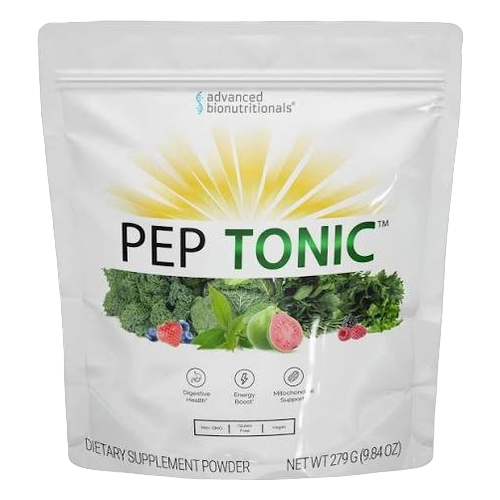

| Feature | Details |
|---|---|
| Verdict | Proceed with caution due to hidden dosages and transparency issues. |
| Best For | People wanting a basic liquid B-vitamin and iron boost. |
| Not Best For | Anyone with iron sensitivity or those seeking proven clinical results. |
| Evidence Level | Weak (formula is untested; ingredients are hidden in a blend). |
| Price Per Serving | Unknown (highly variable across unauthorized sellers). |
| Side-Effect Risk | Moderate (due to iron and unverified herbal extract ratios). |
| Refund Policy | Unknown (no verified official money-back guarantee). |
| Third-Party Testing | Unknown (no certifications provided). |
What Is Pep Tonic?
Pep Tonic is marketed as a daily liquid dietary supplement designed to combat fatigue, restore physical vitality, and support general wellness. Sold primarily as a syrup, it targets older adults, busy professionals, and anyone experiencing a persistent slump in daily energy. The manufacturer highlights the liquid format as a major selling point, claiming it allows for faster, more efficient absorption into the bloodstream compared to traditional capsules or pills.
The primary benefits claimed include serving as an adaptogenic energy booster, helping the body manage stress, and supplying trace minerals to fill dietary gaps. It is not marketed as a cure for any medical disease, but rather as an essential daily habit for maintaining peak performance and avoiding burnout.
Pep Tonic Claims
The manufacturer makes several ambitious claims regarding the tonic’s health benefits. Here is a breakdown of those promises and the actual evidence behind them:
- Claim: Instantly boosts energy levels and eliminates fatigue.
- Classification: Partially Supported. The formula contains B-vitamins and iron, which support cellular energy. However, the Mayo Clinic notes that fatigue has many causes, and vitamins only provide a noticeable energy boost if you are actively deficient in them. The “instant” claim is marketing hype.
- Claim: Improves digestion and nutrient absorption.
- Classification: Unsupported. There are no proven digestive enzymes or probiotics listed on the label in effective, disclosed doses to support this specific claim.
- Claim: Enhances immune system function.
- Classification: Not Enough Evidence. While trace minerals support immunity, the exact amounts in this formula are hidden in a proprietary blend, making it impossible to verify efficacy.
- Claim: Acts as a daily adaptogen to reduce stress.
- Classification: Partially Supported. Ingredients like ashwagandha are known adaptogens, but without dosage transparency, we cannot confirm if the product contains enough to actually work.
Company Behind Pep Tonic
Transparency is the hallmark of a trustworthy supplement brand, but the company behind Pep Tonic falls severely short. There is no clear corporate headquarters, parent company name, or verified physical address listed on prominent retail pages. Customer service contact methods are generally limited to generic email addresses.
Furthermore, there is no evidence that the facility follows FDA Current Good Manufacturing Practices (cGMP), nor is there proof of independent testing from reputable organizations like ConsumerLab or NSF International. The refund policy is virtually nonexistent outside of standard third-party marketplace return windows, and customer support responsiveness is reportedly poor. This lack of accountability is a major red flag for consumers.
Pep Tonic Ingredients
Pep Tonic relies heavily on a “proprietary blend.” This industry loophole allows companies to list ingredients without revealing their exact milligram amounts, making it impossible to know if the product is effectively dosed.
| Ingredient | Dosage | Claimed Benefit | Evidence Quality | Safety Notes |
|---|---|---|---|---|
| Vitamin B12 | 500 mcg | Energy and nerve health | Strong | Safe; excess is excreted. |
| Iron | 10 mg | Combats anemia | Strong | Can cause constipation; toxic in high doses. |
| Ashwagandha | Not disclosed | Stress reduction | Moderate | May cause mild GI upset. |
| Panax Ginseng | Not disclosed | Mental clarity | Moderate | Can cause insomnia or jitteriness. |
| Proprietary Blend | 850 mg | Vitality and digestion | Weak | Ratios unknown; potential for underdosing. |
The National Institutes of Health (NIH) states that B12 is critical for energy, but only helps if you lack it. The adaptogens sound impressive, but hiding them in an 850 mg blend means you are likely getting cheap filler with only a dusting of the expensive, active herbs.
How Does Pep Tonic Work?
The proposed mechanism relies on nutritional replenishment and adaptogenic support. First, B12 and iron are intended to correct micronutrient deficiencies. Iron is vital for hemoglobin, which transports oxygen through your blood, while B12 supports red blood cell formation. Fixing these deficiencies theoretically optimizes your natural energy metabolism.
Second, the herbal ingredients target the nervous system. Adaptogens are theorized to interact with the hypothalamic-pituitary-adrenal (HPA) axis to balance cortisol (the stress hormone), reducing the physical sensation of burnout. However, this is where the science disconnects from the product. Because the manufacturer uses a proprietary blend, the actual physiological impact of this specific tonic is likely far weaker than what clinical studies on isolated, high-dose herbs demonstrate.
Does Pep Tonic Really Work? Evidence Review
To answer if it really works, we must evaluate both the individual ingredients and the complete formula. Currently, there are zero peer-reviewed human clinical trials testing the actual Pep Tonic formula. Any claims of effectiveness are extrapolated from the ingredients, which earns the formula an evidence grade of Weak.
Looking at the individual herbs, the National Center for Complementary and Integrative Health (NCCIH) confirms Ashwagandha has historical backing for stress relief. However, clinical benefits require doses of 300 mg to 600 mg daily. Because it is buried in an 850 mg blend with several other ingredients, it is mathematically probable that it is underdosed. Similarly, while ginseng has studies supporting its use for fatigue, dose matching is impossible here. Ultimately, while it may provide a mild boost due to the B12 and iron, the lack of transparent dosing means it cannot be relied upon as a clinical-grade adaptogen.
Pep Tonic Pros
- Contains Vitamin B12 and iron to help address common nutritional gaps.
- Liquid syrup format is easy to consume for those who dislike swallowing large pills.
- Includes well-known adaptogens (even if exact doses are unknown).
- Easily mixes into smoothies, water, or juice.
Pep Tonic Cons
- Uses a proprietary blend, hiding the exact dosages of the most important herbs.
- Zero transparency regarding the company’s physical location or manufacturing standards.
- No verifiable third-party testing for heavy metals, purity, or accurate labeling.
- High risk of gastrointestinal side effects from the iron content.
- Known complaints regarding hidden auto-ship subscription charges.
- Weak refund policy with unresponsive customer service.
Pep Tonic Customer Reviews
Finding authentic, verified customer feedback for this product is a challenge. The reviews that do exist on independent forums paint a polarizing picture. A small subset of users enjoy the liquid format and report a mild, sustained improvement in their afternoon energy levels, appreciating that it does not cause a caffeine-like crash.
However, negative patterns dominate the independent feedback. A primary complaint is the taste, which many describe as metallic or overly medicinal—a common issue with liquid iron supplements. More concerning are the numerous reports from users who experienced zero noticeable health benefits, calling the product an overpriced placebo. Due to the lack of verified purchase badges on promotional sites, consumers should view overwhelmingly positive testimonials with extreme skepticism.
Pep Tonic Reviews and Complaints
The most alarming complaints do not center on the formula itself, but on predatory business practices. Independent consumer platforms show a pattern of billing complaints. Users frequently report attempting to make a one-time purchase, only to discover recurring monthly charges on their credit card statements.
When users attempt to cancel these unauthorized subscriptions or claim a refund, they report that phone numbers go to unmonitored voicemails and emails bounce back. Physically, the most common complaints involve stomach cramps and nausea, which perfectly aligns with taking unbuffered iron on an empty stomach.
Pep Tonic Ratings
Reliable public ratings could not be verified on trusted third-party platforms.
| Platform | Rating | Number of Reviews | Date Checked | Source Note |
|---|---|---|---|---|
| Amazon | N/A | 0 | July 2026 | Not officially listed or currently unavailable. |
| Better Business Bureau | N/A | 0 | July 2026 | Company not accredited or listed. |
| Walmart | N/A | 0 | July 2026 | No authentic listings found. |
Reliable public ratings could not be verified.
Side Effects and Safety
Pep Tonic carries distinct safety considerations. The iron (ferrous sulfate) content is the primary culprit for side effects. According to MedlinePlus, supplemental iron frequently causes upset stomach, nausea, and severe constipation. Taking it unnecessarily can lead to iron overload, which is dangerous.
The herbal extracts also carry risks. WebMD notes that Panax Ginseng can cause insomnia, rapid heartbeat, and jitteriness, particularly if you consume coffee. Furthermore, these adaptogens can interact with blood thinners, diabetes medications, and immunosuppressants.
Pregnant or breastfeeding people, people with medical conditions, and people taking medication should speak with a healthcare professional first. The FDA reminds consumers that dietary supplements are not strictly regulated for safety before hitting the market, making third-party testing vital—something this product lacks.
Dosage and How to Use
The standard official dosage is typically 1 tablespoon (15 ml) taken once daily. Because herbal sediment settles, always shake the bottle vigorously before pouring.
To minimize nausea and stomach cramping from the iron, it is strongly advised to take the tonic with a meal. Do not exceed the label instructions; taking a double dose will not speed up your results, but it will significantly increase your risk of iron toxicity and gastrointestinal distress. Take it in the morning or early afternoon to prevent the ginseng from interfering with your sleep.
Where to Buy Pep Tonic
Safe purchasing options are incredibly limited. The product is not stocked in standard pharmacies like CVS or Walgreens, nor is it reliably available in major supermarkets. It occasionally surfaces on third-party marketplaces like Amazon or eBay.
However, buying from unauthorized marketplace sellers carries a massive risk of receiving counterfeit, expired, or tampered goods. If you choose to buy it, navigating through the official sales page is the only way to get the actual product, but doing so exposes you to their questionable billing practices. We advise extreme caution when entering payment information on unverified supplement websites.
Pricing and Refund Policy
Pricing for Pep Tonic fluctuates wildly depending on the sales funnel, typically ranging from $39.99 to $59.99 for a single 30-day bottle. Discounted bundles (e.g., three bottles for $105) are often used to push higher initial cart values.
The biggest danger here is auto-billing. Many checkout pages hide subscription terms in fine print. The FTC constantly warns consumers about negative-option billing where you are charged monthly until you jump through hoops to cancel. The refund policy is virtually useless; terms usually require you to return the bottle unopened at your own expense, and reaching customer service to authorize the return is notoriously difficult.
Is Pep Tonic a Scam? Red Flags and Trust Check
While the liquid inside the bottle is likely real, the business practices surrounding Pep Tonic push it deep into scam territory. The product relies on deceptive, exaggerated health claims with zero clinical trials to back up its specific formula. The company hides behind a proprietary blend, meaning they are likely skimping on the expensive active ingredients.
The most glaring red flags are the hidden company details, the lack of third-party safety testing, and the aggressive sales funnels. Fake countdown timers on sales pages and a pattern of consumers being trapped in recurring monthly charges are classic signs of a predatory operation. Because there is no verified supplement facts label transparency and no accountability through the BBB, we highly recommend avoiding this product.
Comparison With Alternatives
If you are looking for energy and vitality, established brands offer much safer, transparent options.
| Feature | Pep Tonic | Standard Liquid Multivitamin | Transparent Adaptogen Blend |
|---|---|---|---|
| Price Per Serving | High / Unknown | Low (~$0.50) | Moderate (~$1.00) |
| Ingredient Transparency | Poor (Proprietary Blend) | Excellent | Excellent |
| Evidence Quality | Weak | Strong (for deficiencies) | Strong |
| Third-Party Testing | Unknown | Yes | Yes |
| Review Trust | Low | High | High |
| Refund Policy | Unreliable | Varies by retailer | Usually 30 days clear |
Is Pep Tonic Worth It?
Ultimately, Pep Tonic is not worth your money. The combination of a proprietary blend, lack of company transparency, risk of side effects from unverified iron levels, and predatory auto-billing practices makes this a terrible investment for your health and wallet.
Nobody should consider this a primary health supplement. Those who should actively avoid it include anyone with iron sensitivities, people on prescription medications, and consumers who want clinically proven results. Until the brand offers full label transparency, independent safety testing, and a trustworthy refund policy, you are much better off purchasing an affordable, transparently dosed multivitamin or a verified adaptogen supplement from a reputable sports nutrition or wellness brand.
FAQs
Is Pep Tonic FDA approved?
No. Dietary supplements are not approved by the FDA before they go to market. The FDA only steps in if adverse effects are reported after the fact.
Does Pep Tonic actually work?
There is no clinical proof that the specific formula works. While it contains some proven vitamins, the proprietary blend hides the actual dosages, making its effectiveness highly questionable.
What are the side effects of Pep Tonic?
Common side effects include stomach cramps, nausea, and constipation due to the iron content, as well as potential jitteriness or sleep disturbances from the ginseng.
Is Pep Tonic a scam?
The physical product exists, but the deceptive marketing, lack of transparency, and reports of unauthorized recurring credit card charges make it operate like a scam.
How long does it take for Pep Tonic to work?
If you have a severe B12 deficiency, you might notice a difference in a few days. However, adaptogens require weeks of consistent use, assuming they are properly dosed.
Are there real reviews for Pep Tonic?
Trustworthy, verified independent reviews are incredibly rare. Most testimonials on their sales pages cannot be verified.
What is the refund policy?
There is no reliable, officially verified refund policy. Most users report being unable to reach customer service to process returns.
Where can I safely buy Pep Tonic?
There is no highly recommended safe place to buy it. We advise avoiding third-party sellers due to counterfeits and avoiding the official site due to subscription traps.
Who should avoid taking this supplement?
Pregnant or breastfeeding people, anyone with iron overload disorders (hemochromatosis), and individuals taking prescription medications should avoid it.
Can it be taken with other medication?
You must consult a doctor first. Ingredients like ashwagandha and ginseng can interact negatively with blood thinners, immunosuppressants, and thyroid medications.
Conclusion
Our Pep Tonic review exposes a supplement that relies on aggressive marketing to mask an underdosed, non-transparent formula. While the inclusion of B12 and adaptogenic herbs sounds appealing, hiding those ingredients behind a proprietary blend means consumers have no idea what they are actually putting into their bodies.
Couple the weak formula with the lack of independent safety testing, gastrointestinal side effect risks, and widespread reports of credit card subscription traps, and the verdict is clear. Save your money and protect your health. If you are struggling with chronic fatigue, consult a healthcare provider to check for actual deficiencies and invest in transparent, clinically dosed supplements from brands with verified track records.
Disclaimer: The information provided in this article is for educational and informational purposes only and is not intended as medical advice. Always consult with a qualified healthcare professional before starting any new dietary supplement, especially if you have underlying health conditions or are taking medication.

Dr. Emma Myers is a medical student at UNC School of Medicine in Chapel Hill, with a focus on autoimmune dermatology. She grew up in Durham, North Carolina, and completed her undergraduate studies at the University of Virginia, majoring in Human Biology and Spanish. Emma has worked as a medical assistant in dermatology, gaining experience in cosmetic and medical dermatology. She leads advocacy groups for autoimmune skin disorders and is involved in research on autoimmune diseases, skin safety, and early diagnosis. Outside of medicine, she is a certified yoga sculpt instructor and enjoys outdoor activities with her dog.